



The Evolution of Urban Planning in the UK
The history of urban planning in the UK reflects the nation"s journey from industrialization to the modern era. Today, the focus has shifted towards creating cities that are sustainable, socially inclusive, and economically viable. Architects in the UK play a pivotal role in shaping this evolution:
1. Sustainable Development: Sustainability is a cornerstone of urban planning in the UK. Architects are designing cities with a strong emphasis on reducing carbon emissions, conserving resources, and promoting renewable energy sources.
2. Regeneration: Urban regeneration projects are transforming blighted or underused areas into vibrant, livable spaces. Architects are instrumental in envisioning and executing these transformations, breathing new life into urban centers.
3. Mixed-Use Developments: Architects are designing mixed-use developments that combine residential, commercial, and recreational spaces, reducing the need for extensive commuting and promoting walkability.
4. Historic Preservation: Preserving the UK"s rich architectural heritage is central to urban planning. Architects are skilled in blending modernity with history, ensuring that cities retain their unique character.
5. Smart Cities: The integration of technology into urban planning is on the rise. Architects are incorporating smart city solutions to enhance infrastructure, transportation, and public services, making cities more efficient and livable.
Case Studies: Sustainable City Development in the UK
Let"s explore a few examples of UK cities and projects where architects have spearheaded sustainable city development:
Bristol: Known for its commitment to sustainability, Bristol"s Harbourside redevelopment, led by architects, transformed a neglected waterfront into a thriving mixed-use district with sustainability at its core.
Glasgow: The Glasgow City Council"s plan to create a Carbon Neutral Zone by 2030 involves architects and planners. Sustainable housing, green spaces, and renewable energy are central to this vision.
Innovations in Sustainable City Development
Architects in the UK are leveraging innovative approaches to shape sustainable cities:
Green Infrastructure: Incorporating green roofs, vertical gardens, and urban forests to improve air quality and biodiversity.
Low-Impact Development: Promoting rain gardens, permeable pavement, and sustainable drainage systems to mitigate flooding and manage water resources.
Transportation Hubs: Designing integrated transportation hubs that encourage the use of public transport and cycling while reducing car dependence.
Community Engagement: Architects actively engage with communities to ensure that sustainable city development aligns with the needs and aspirations of residents.
Challenges and Solutions
While sustainable city development is laudable, it comes with its share of challenges:
Funding: Sustainable projects often require significant upfront investments. Architects and city planners must seek creative financing solutions, such as public-private partnerships and grants.
Regulatory Hurdles: Overcoming regulatory hurdles and navigating complex permitting processes can be time-consuming. Architects must be adept at working within the legal framework and advocating for supportive policies.
Community Resistance: Some residents may resist change, fearing disruption to their neighborhoods. Architects must engage in meaningful dialogue, address concerns, and demonstrate the benefits of sustainable development.
Conclusion: Pioneering Sustainable Cities
Architects in the UK are at the forefront of shaping cities that embody sustainability, vibrancy, and resilience. These urban planning and city development strategies are not mere concepts but tangible blueprints for the future. As architects continue to collaborate with communities, policymakers, and other stakeholders, we can anticipate cities in the UK that are not just beautiful and functional but also environmentally responsible, socially inclusive, and economically robust.
The architectural vision for the future is one where cities thrive as centers of innovation, culture, and well-being. The enduring legacy of architects lies not only in the structures they create but also in the transformative impact they have on the lives of those who call these cities home. The blueprint for tomorrow"s cities is being drawn today, and architects in the UK are leading the way toward a brighter, more sustainable urban future

Renovating a period property in the UK can be an exciting project, but it"s important to approach it with care and consideration. These properties come with unique challenges and considerations, and i...
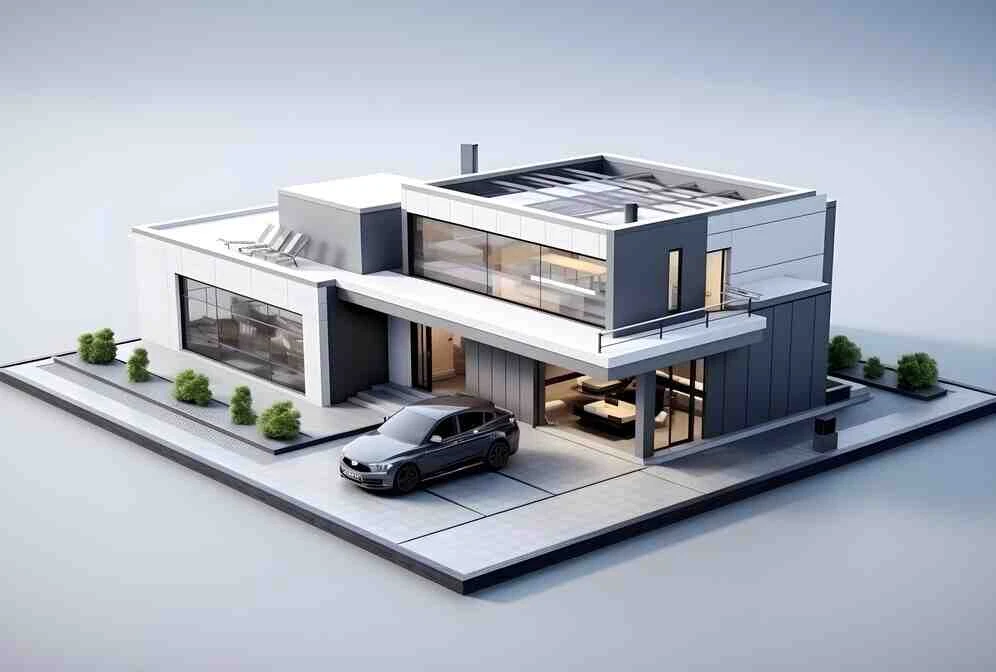
In the heart of the United Kingdom"s architectural landscape, a quiet revolution is underway. Architects across the country are increasingly turning to advanced 3D modeling and visualization technique...

In the dynamic realm of architecture in the United Kingdom, a quiet revolution is reshaping the way buildings are conceived, designed, and brought to life. Building Information Modeling (BIM) has emer...
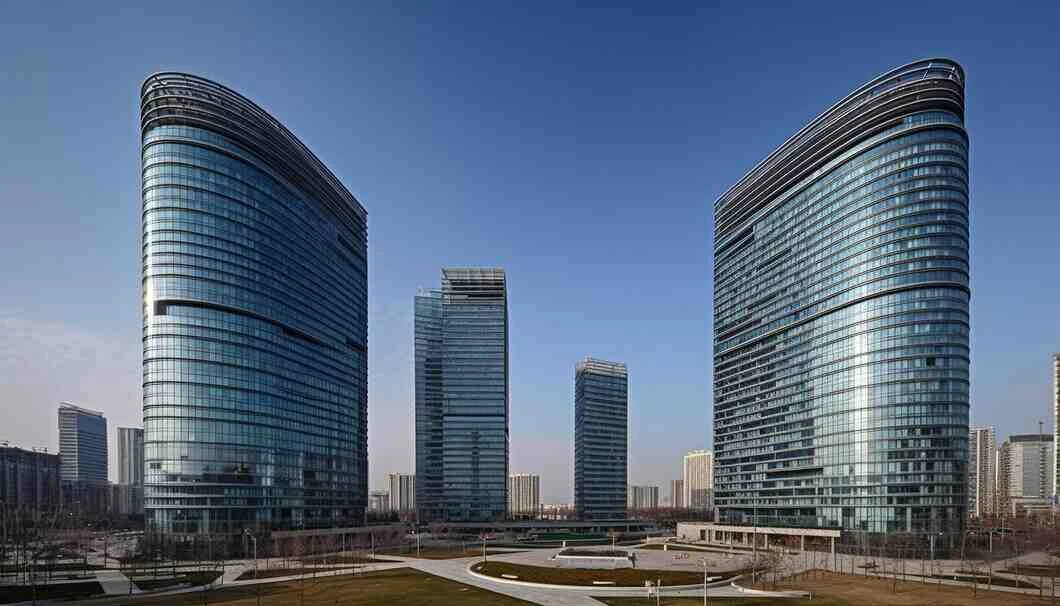
In the diverse tapestry of the United Kingdom"s architectural landscape, an often-overlooked but crucial element weaves through the fabric of building design: architectural acoustics. The ability to c...

In the dynamic landscape of architecture in the United Kingdom, architects are assuming increasingly multifaceted roles. Beyond their traditional responsibilities of design and aesthetics, they are st...
The United Kingdom"s urban landscape is a dynamic tapestry of historical charm and contemporary vitality. With urbanization on the rise and environmental concerns gaining momentum, architects in the U...
Sign up to start winning an unlimited amount of jobs near you.


 Electrician
Gas Engineer
Electrician
Gas Engineer


Send more enquiries and explore your options
Increasing the number of potentials leads for you!
Have more control and flexibility over your finances!