


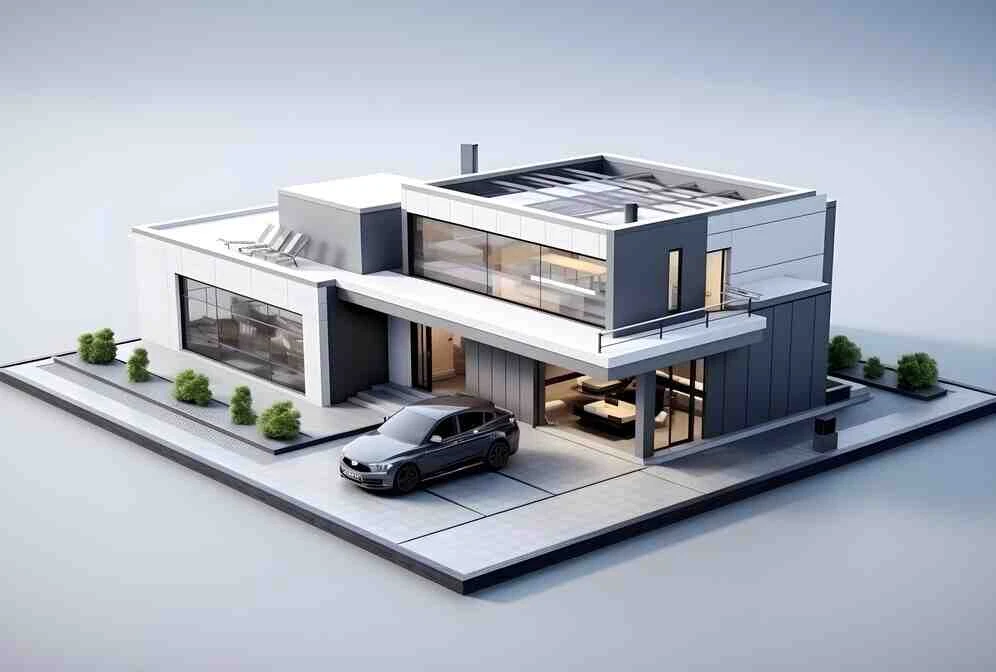
The Evolution of Architectural Visualization
Architectural visualization has come a long way from hand-drawn sketches and physical models. With the advent of powerful computers and software, architects in the UK now have a treasure trove of digital tools at their disposal. These tools not only streamline the design process but also offer a vivid glimpse into the future, enabling architects to communicate their ideas more effectively and make informed decisions.
The Impact of 3D Modeling
1. Precision and Accuracy: 3D modeling allows UK architects to create highly detailed and accurate representations of their designs. Every line, curve, and angle can be meticulously crafted, ensuring that the final product aligns with the architect"s vision.
2. Realistic Visualization: Advanced rendering techniques bring designs to life in ways that were once unimaginable. Architects can simulate realistic lighting conditions, materials, and textures, giving clients and stakeholders a clear understanding of the final look and feel of the project.
3. Iterative Design: With 3D models, architects can easily make changes and experiment with different design options. This iterative approach enhances creativity and flexibility, enabling architects to refine their concepts and optimize functionality.
4. Effective Communication: Visualization tools bridge the gap between architects and clients, as well as other stakeholders. Visual representations are far more accessible and comprehensible than technical drawings, facilitating better communication and collaboration.
Advanced Visualization Techniques
In the UK, architects are pushing the boundaries of traditional visualization techniques to achieve remarkable results:
1. Virtual Reality (VR) and Augmented Reality (AR): These immersive technologies allow architects to step inside their designs, providing an unparalleled understanding of scale, proportion, and spatial relationships. Clients can also experience the design in a tangible way.
2. Photorealistic Rendering: High-quality rendering software generates images that are indistinguishable from photographs. These renderings are particularly effective in conveying the visual impact of a design.
3. 3D Printing: While not a visualization technique in the traditional sense, 3D printing enables architects to transform digital models into physical prototypes. This tactile approach is invaluable for understanding form and proportion in a tangible manner.
Case Studies: UK Architectural Marvels
Let"s explore some examples of architectural wonders in the UK where advanced 3D modeling and visualization played a pivotal role:
The Shard, London: The iconic Shard skyscraper, designed by architect Renzo Piano, relied heavily on advanced 3D modeling and visualization to bring its unique form to life. These tools allowed for precise planning and detailing, ensuring that this London landmark rose to its towering glory.
The Eden Project, Cornwall: This extraordinary ecological attraction, with its distinctive biome structures, utilized 3D modeling and visualization to plan and execute its complex design. These tools were essential in conveying the project"s vision to both stakeholders and the public.
Challenges and Solutions
While advanced 3D modeling and visualization techniques offer numerous advantages, architects in the UK also face challenges in their implementation:
1. Cost and Resources: High-quality visualization tools can be expensive, and their effective use requires skilled personnel. Architects must weigh the investment against the potential benefits.
2. Learning Curve: Mastering advanced software and techniques can be time-consuming. Architects must be committed to ongoing training and professional development.
3. Data Security: Protecting sensitive design data is paramount. Architects must implement robust cybersecurity measures to safeguard their digital assets.
4. Client Expectations: As clients become more familiar with advanced visualization, they may have heightened expectations. Architects must manage these expectations while delivering realistic and achievable designs.
Conclusion: A New Era of Architectural Design
The United Kingdom"s architectural landscape is evolving, thanks to the power of advanced 3D modeling and visualization techniques. Architects in the UK are no longer bound by the limitations of traditional design methods; they are empowered to create bold, imaginative, and highly functional structures that push the boundaries of what is possible.
As these innovative tools continue to mature and become more accessible, we can expect to see even more breathtaking architectural creations gracing the UK"s cities and landscapes. The fusion of artistic vision and technological prowess is ushering in a new era of architectural design—one that is characterized by precision, creativity, and a profound understanding of the power of visualization. The future of UK architecture is a canvas waiting to be brought to life with the strokes of digital innovation, and architects are at the forefront of this exciting transformation.

Renovating a period property in the UK can be an exciting project, but it"s important to approach it with care and consideration. These properties come with unique challenges and considerations, and i...
In the heart of the United Kingdom"s architectural landscape, a quiet revolution is underway. Architects across the country are increasingly turning to advanced 3D modeling and visualization technique...

In the dynamic realm of architecture in the United Kingdom, a quiet revolution is reshaping the way buildings are conceived, designed, and brought to life. Building Information Modeling (BIM) has emer...
In the diverse tapestry of the United Kingdom"s architectural landscape, an often-overlooked but crucial element weaves through the fabric of building design: architectural acoustics. The ability to c...
In the dynamic landscape of architecture in the United Kingdom, architects are assuming increasingly multifaceted roles. Beyond their traditional responsibilities of design and aesthetics, they are st...
The United Kingdom"s urban landscape is a dynamic tapestry of historical charm and contemporary vitality. With urbanization on the rise and environmental concerns gaining momentum, architects in the U...
Sign up to start winning an unlimited amount of jobs near you.


 Electrician
Gas Engineer
Electrician
Gas Engineer


Send more enquiries and explore your options
Increasing the number of potentials leads for you!
Have more control and flexibility over your finances!