



The BIM Revolution: A Paradigm Shift
The adoption of BIM marks a significant departure from traditional design methods. BIM is not just a technology or software; it"s a holistic approach to the entire building lifecycle, from conceptualization and design to construction and operation. At its core, BIM is about creating a comprehensive digital representation of a building"s physical and functional characteristics.
The Four Dimensions of BIM
3D Modeling: BIM starts with the creation of a 3D digital model of the building. This model encompasses every element of the structure, from walls and windows to pipes and electrical systems. Architects can visualize the building in three dimensions, gaining a deep understanding of its spatial relationships.
4D Sequencing: BIM takes time into account. Architects can simulate the construction process, enabling them to optimize sequencing, plan resources, and avoid conflicts. This 4D dimension enhances project planning and execution.
5D Cost Estimation: BIM incorporates cost data, enabling architects to generate accurate cost estimates throughout the design process. This 5D dimension facilitates budget control and financial transparency.
6D Facilities Management: Beyond construction, BIM supports building operation and maintenance. Architects can embed information about equipment, materials, and maintenance schedules in the model, streamlining facilities management (the 6D dimension).
The Advantages of BIM Proficiency in the UK
As architects in the UK embrace BIM proficiency, several key advantages emerge:
Enhanced Collaboration: BIM fosters collaboration among architects, engineers, contractors, and other stakeholders. It creates a shared digital environment where all parties can access and update information in real-time.
Design Optimization: BIM enables architects to test design concepts more rigorously, identifying potential conflicts and making informed decisions early in the design process. This optimization leads to better designs.
Cost Efficiency: With real-time cost estimation, architects can make cost-conscious decisions throughout the design and construction phases, helping to keep projects within budget.
Sustainability: BIM supports sustainable design by analyzing energy performance, carbon footprint, and other environmental factors. Architects can make informed decisions to reduce a building"s environmental impact.
Quality Control: BIM improves the accuracy and quality of architectural documentation. Errors and omissions are minimized, reducing the likelihood of costly rework during construction.
Challenges and Solutions
The adoption of BIM is not without challenges. Some common issues include:
Training and Skill Development: Architects and their teams need training to become proficient in BIM. Ongoing skill development is essential to stay up-to-date with the latest BIM software and methodologies.
Software Compatibility: Collaboration can be hindered if project stakeholders use different BIM software. Architects may need to ensure compatibility or implement interoperable software solutions.
Data Security: Protecting sensitive project data is critical. Architects must implement robust cybersecurity measures to safeguard BIM files and project information.
Legal and Contractual Challenges: The legal and contractual frameworks around BIM are still evolving. Architects may encounter challenges related to liability and intellectual property rights.
Case Studies: BIM in Action
Let"s explore some examples of BIM in action within the UK architectural landscape:
Crossrail, London: The massive Crossrail project, now known as the Elizabeth Line, relied heavily on BIM for design, coordination, and construction management. BIM facilitated the integration of numerous complex systems and streamlined project delivery.
Barts Square, London: This mixed-use development in the heart of London benefited from BIM"s collaborative capabilities. Architects, engineers, and contractors worked together seamlessly to create a harmonious and efficient urban space.
The Future of Architecture in the UK
As architects in the United Kingdom continue to master the art of Building Information Modeling, the future of architecture appears brighter than ever. BIM proficiency is not just a technological advancement but a paradigm shift that places collaboration, efficiency, and sustainability at the forefront of architectural design. It empowers architects to create buildings that are not only visually striking but also highly functional, environmentally responsible, and economically viable.
The UK"s architectural landscape is evolving, thanks to BIM. Architects are no longer constrained by traditional limitations; they are architects of a new digital era, shaping a future where buildings are conceived, designed, and constructed with unprecedented precision and foresight. In this digital revolution, architects in the UK are at the forefront, forging a path toward a built environment that is more resilient, sustainable, and inspiring than ever before. The architectural future of the United Kingdom is a BIM-enabled canvas, ready to be adorned with the masterpieces of 21st-century design.

Renovating a period property in the UK can be an exciting project, but it"s important to approach it with care and consideration. These properties come with unique challenges and considerations, and i...
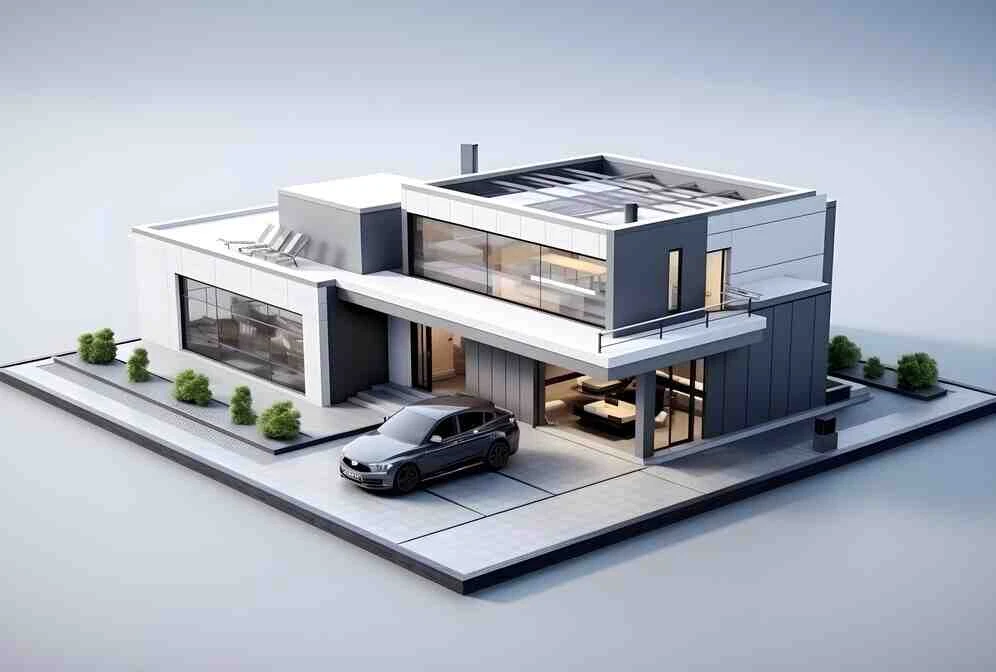
In the heart of the United Kingdom"s architectural landscape, a quiet revolution is underway. Architects across the country are increasingly turning to advanced 3D modeling and visualization technique...
In the dynamic realm of architecture in the United Kingdom, a quiet revolution is reshaping the way buildings are conceived, designed, and brought to life. Building Information Modeling (BIM) has emer...
In the diverse tapestry of the United Kingdom"s architectural landscape, an often-overlooked but crucial element weaves through the fabric of building design: architectural acoustics. The ability to c...

In the dynamic landscape of architecture in the United Kingdom, architects are assuming increasingly multifaceted roles. Beyond their traditional responsibilities of design and aesthetics, they are st...

The United Kingdom"s urban landscape is a dynamic tapestry of historical charm and contemporary vitality. With urbanization on the rise and environmental concerns gaining momentum, architects in the U...
Sign up to start winning an unlimited amount of jobs near you.


 Electrician
Gas Engineer
Electrician
Gas Engineer


Send more enquiries and explore your options
Increasing the number of potentials leads for you!
Have more control and flexibility over your finances!