



Dos:
1. Do Your Research Before starting any renovation project on a period property, it"s important to do your research. Learn as much as you can about the history and original design of your property, as well as any restrictions or regulations that may apply to your renovation project. This will help you make informed decisions and ensure that your renovation project respects the history and character of your property.
2. Do Work with a Reputable Architect or Designer Working with a reputable architect or designer who has experience working with period properties is essential to the success of your renovation project. They can help you navigate the unique challenges that come with renovating a period property, such as working with historic materials and ensuring that your renovation project is in line with local regulations.
3. Do Respect the Original Features of Your Property One of the key appeals of a period property is its original features and character. When renovating, it"s important to respect and preserve these original features as much as possible. This may mean restoring original woodwork, repairing historic windows, or retaining original fireplaces.
4. Do Invest in Quality Materials and Craftsmanship When renovating a period property, it"s important to invest in quality materials and craftsmanship. This will help ensure that your renovation project is of a high standard and in keeping with the character of your property. It will also help preserve your property for future generations to enjoy.
5. Do Consider Energy Efficiency While preserving the character of your period property is important, it"s also important to consider energy efficiency. This may mean adding insulation, upgrading windows, or installing a more efficient heating system. This can help you save money on your energy bills and reduce your carbon footprint.
Don"ts:
1. Don"t Remove Original Features As mentioned earlier, the original features of a period property are a key part of its character and appeal. Removing or altering these features can diminish the value and character of your property. It"s important to consider the historic significance of your property and to respect its original design as much as possible.
2. Don"t Neglect Structural Issues Period properties can come with unique structural challenges, such as damp, rot, or subsidence. It"s important to address these issues before starting any renovation project, as they can have serious implications for the safety and stability of your property.
3. Don"t Ignore Planning and Building Regulations Period properties are often subject to specific planning and building regulations. Ignoring these regulations can result in fines, legal issues, or even the undoing of your renovation project. It"s important to work with a reputable architect or designer who has experience working with period properties and who can ensure that your renovation project is in compliance with local regulations.
4. Don"t Be Overly Ambitious Renovating a period property can be a challenging project, and it"s important to be realistic about what you can and cannot achieve. Don"t be overly ambitious and take on more than you can handle. Instead, focus on a few key areas that will have the most impact and make the biggest difference to your property.
5. Don"t Sacrifice Comfort for Authenticity While preserving the character and original features of your period property is important, it"s also important to ensure that your property is comfortable and livable. Don"t sacrifice comfort for authenticity – instead, find a balance that allows you to enjoy the character and history of your property while still living comfortably and enjoying modern amenities.
Renovating a period property in the UK can be an exciting project, but it"s important to approach it with care and consideration. These properties come with unique challenges and considerations, and i...

In the heart of the United Kingdom"s architectural landscape, a quiet revolution is underway. Architects across the country are increasingly turning to advanced 3D modeling and visualization technique...

In the dynamic realm of architecture in the United Kingdom, a quiet revolution is reshaping the way buildings are conceived, designed, and brought to life. Building Information Modeling (BIM) has emer...
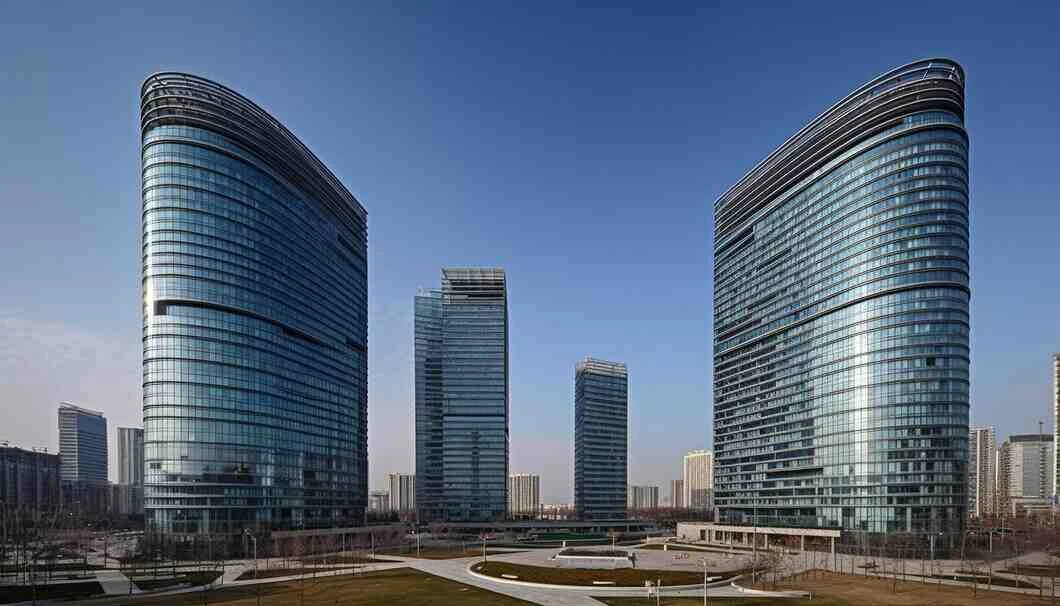
In the diverse tapestry of the United Kingdom"s architectural landscape, an often-overlooked but crucial element weaves through the fabric of building design: architectural acoustics. The ability to c...

In the dynamic landscape of architecture in the United Kingdom, architects are assuming increasingly multifaceted roles. Beyond their traditional responsibilities of design and aesthetics, they are st...
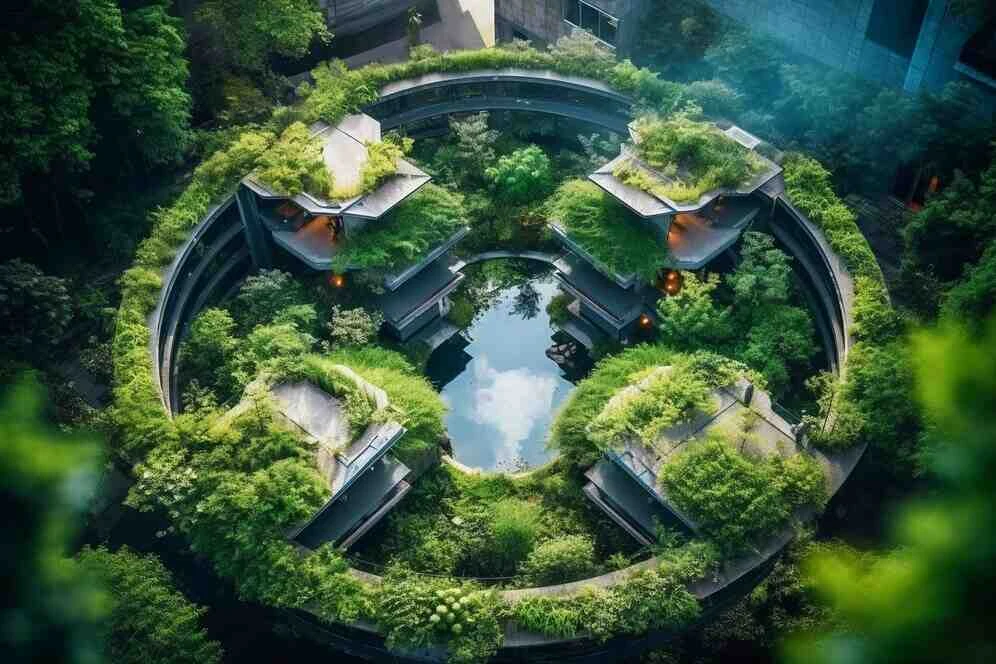
The United Kingdom"s urban landscape is a dynamic tapestry of historical charm and contemporary vitality. With urbanization on the rise and environmental concerns gaining momentum, architects in the U...
Sign up to start winning an unlimited amount of jobs near you.


 Electrician
Gas Engineer
Electrician
Gas Engineer


Send more enquiries and explore your options
Increasing the number of potentials leads for you!
Have more control and flexibility over your finances!