


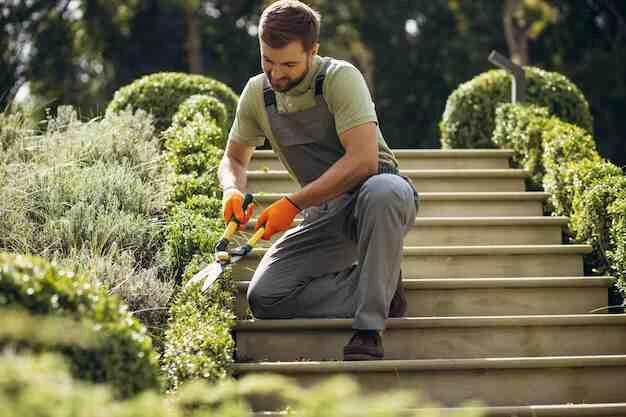
1. Embracing Sustainable Landscaping
Sustainable landscaping practices are at the forefront of modern landscape design. By incorporating sustainable elements into your outdoor space, you not only contribute to the environment but also save on maintenance and resources in the long run. Some sustainable landscaping trends to consider include:
- Xeriscaping: The use of drought-resistant plants and efficient irrigation systems to conserve water.
- Native Plants: Incorporating local flora to support biodiversity and reduce maintenance.
- Permeable Paving: Materials that allow water to seep through, reducing runoff and pollution.
- Solar-Powered Lighting: Energy-efficient lighting solutions that rely on renewable energy sources.
Staying informed about these trends helps you create a garden that"s eco-friendly and resilient.
2. Smart Landscaping Technology
The rise of smart technology has made its way into the world of landscaping. Smart landscaping solutions offer convenience, efficiency, and the ability to control your outdoor environment with ease. Here are some key technologies to consider:
- Automated Irrigation Systems: Smart irrigation systems adjust watering schedules based on weather conditions, saving water and money.
- Weather Stations: These collect real-time data to inform irrigation, ensuring you"re not watering during rain or frost.
- Garden Apps: There are numerous apps available that help with plant identification, garden planning, and maintenance schedules.
- LED Lighting and Control: LED lights are energy-efficient and controllable through smartphones, allowing for customized lighting setups.
By keeping up with the latest smart landscaping technologies, you can enhance the functionality and aesthetic appeal of your outdoor space.
3. Biodiverse Gardens
The appreciation for biodiversity in landscaping has grown significantly in recent years. Biodiverse gardens aim to support local ecosystems by planting a variety of species that attract pollinators, birds, and other wildlife. Key elements of biodiverse gardens include:
- Wildflower Meadows: Replacing traditional lawns with wildflower meadows to provide habitat and food sources for local fauna.
- Insect-Friendly Plantings: Choosing plants that attract beneficial insects and pollinators to create a balanced ecosystem.
- Wildlife Habitats: Incorporating features like birdhouses, bat boxes, and water features to support local wildlife.
To stay updated on this trend, consider joining local gardening clubs, attending workshops, or seeking guidance from experts in the field.
4. Eco-Friendly Landscaping Materials
In the quest for sustainable landscaping, the choice of materials plays a significant role. Staying updated on eco-friendly landscaping materials can help you make responsible choices for your outdoor projects. Some eco-friendly materials to consider include:
- Recycled or Reclaimed Wood: Using wood from sustainable sources or reclaimed materials for fencing, decking, and other structures.
- Permeable Pavers: Paving stones designed to allow water to penetrate the surface, reducing runoff and pollution.
- Composite Decking: An alternative to traditional wood decking made from recycled plastics and wood fibers.
- Organic Mulch: Opting for natural mulch materials that break down into beneficial compost.
By staying informed about these materials, you can make environmentally conscious choices that align with your landscaping goals.
Conclusion
Staying updated on landscape technology and trends is crucial for creating modern, sustainable, and beautiful outdoor spaces. As the world becomes more conscious of environmental issues and technology continues to advance, landscaping practices are evolving to meet these demands. By embracing sustainable landscaping, adopting smart technology, promoting biodiversity, and choosing eco-friendly materials, you can stay at the forefront of landscape design and create outdoor spaces that not only look stunning but also benefit the environment. Remember to attend workshops, network with other garden enthusiasts, and keep an eye on industry publications to remain informed and inspired. Your garden will be a testament to the best of modern landscaping practices.
Renovating a period property in the UK can be an exciting project, but it"s important to approach it with care and consideration. These properties come with unique challenges and considerations, and i...

In the heart of the United Kingdom"s architectural landscape, a quiet revolution is underway. Architects across the country are increasingly turning to advanced 3D modeling and visualization technique...

In the dynamic realm of architecture in the United Kingdom, a quiet revolution is reshaping the way buildings are conceived, designed, and brought to life. Building Information Modeling (BIM) has emer...
In the diverse tapestry of the United Kingdom"s architectural landscape, an often-overlooked but crucial element weaves through the fabric of building design: architectural acoustics. The ability to c...

In the dynamic landscape of architecture in the United Kingdom, architects are assuming increasingly multifaceted roles. Beyond their traditional responsibilities of design and aesthetics, they are st...
The United Kingdom"s urban landscape is a dynamic tapestry of historical charm and contemporary vitality. With urbanization on the rise and environmental concerns gaining momentum, architects in the U...
Sign up to start winning an unlimited amount of jobs near you.


 Electrician
Gas Engineer
Electrician
Gas Engineer


Send more enquiries and explore your options
Increasing the number of potentials leads for you!
Have more control and flexibility over your finances!