



**The Landscape of Construction Conversion Projects**
Construction conversion projects are unique because they involve the transformation of existing structures, presenting challenges that differ from new construction. These challenges can include working with outdated infrastructure, compliance with historic preservation requirements, unexpected structural issues, and the need for creative adaptation.
**The Art of Problem-Solving in Construction Conversion Projects**
1. **Embrace a Proactive Mindset**: Problem-solving begins with a proactive mindset. Expect the unexpected and anticipate potential issues. Approach every project with an open mind and a willingness to adapt as the situation evolves.
2. **Thorough Planning**: Detailed planning is the foundation of successful problem-solving. A well-thought-out project plan, including contingencies for potential roadblocks, can help you navigate challenges with greater ease.
3. **Communication and Collaboration**: Effective problem-solving often involves gathering input from various stakeholders. Collaborate with architects, engineers, contractors, and other experts to find the best solutions. Effective communication can also prevent misunderstandings and conflicts.
4. **Research and Data Analysis**: Take the time to research the history of the building or structure you"re working on. Understanding its original purpose, design, and any modifications over time can provide valuable insights when challenges arise.
5. **Flexibility and Adaptation**: Be prepared to adapt your plans as challenges emerge. A flexible approach allows you to explore alternative solutions and make quick decisions.
6. **Budget and Resource Management**: Effective problem-solving requires the efficient use of resources. Stay mindful of your budget and allocate resources where they will have the most significant impact.
**Case Studies: Problem-Solving in Action**
1. **Structural Integrity Issues**: In a historic building conversion project, an unforeseen issue emerged when it was discovered that the building"s foundation was compromised. The project team quickly engaged structural engineers to assess the damage and devise a reinforcement plan. By adapting to the challenge, they ensured the safety and stability of the structure while minimizing project delays.
2. **Historic Preservation Compliance**: In another project, an architect discovered that the proposed design did not meet historic preservation requirements. The team had to find creative design alternatives to preserve the historical integrity of the building while achieving the project"s goals.
3. **Unforeseen Environmental Impact**: During a conversion project, the team discovered soil contamination that required immediate remediation. With swift action and coordination with environmental experts, they resolved the issue without derailing the project schedule.
**Conclusion**
Construction conversion projects require the art of problem-solving. A proactive mindset, effective planning, collaboration, flexibility, and resource management are crucial skills to master in this field. With each challenge encountered, construction professionals can refine their problem-solving abilities, ultimately ensuring the success of complex projects.
In construction conversion, every problem presents an opportunity for creative thinking, innovative solutions, and ultimately, the transformation of an existing structure into something remarkable. By embracing the art of problem-solving, professionals not only navigate challenges but also leave behind a legacy of adaptive and resourceful construction practices.

Renovating a period property in the UK can be an exciting project, but it"s important to approach it with care and consideration. These properties come with unique challenges and considerations, and i...

In the heart of the United Kingdom"s architectural landscape, a quiet revolution is underway. Architects across the country are increasingly turning to advanced 3D modeling and visualization technique...

In the dynamic realm of architecture in the United Kingdom, a quiet revolution is reshaping the way buildings are conceived, designed, and brought to life. Building Information Modeling (BIM) has emer...
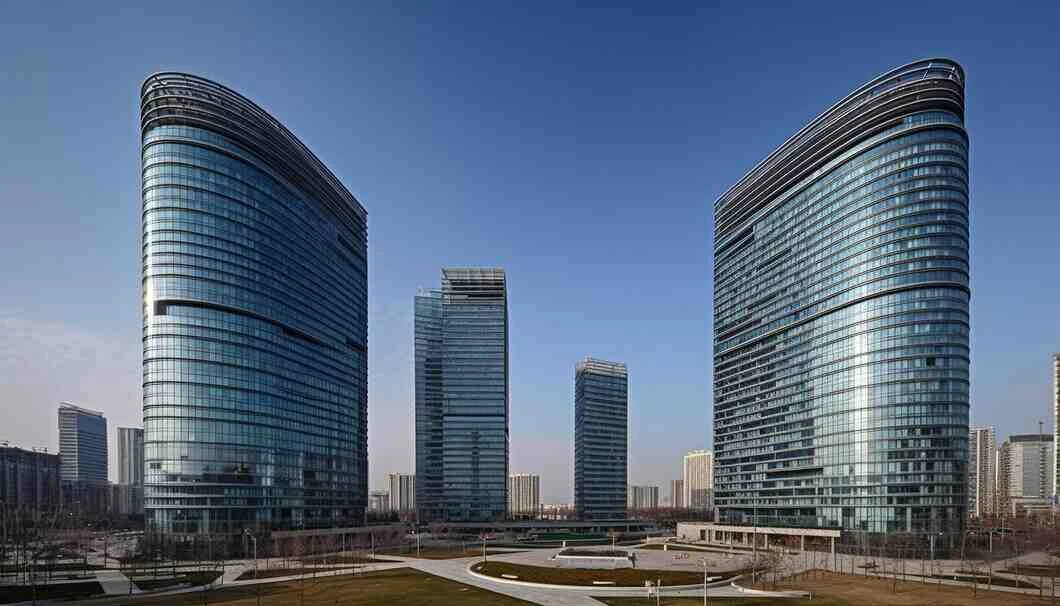
In the diverse tapestry of the United Kingdom"s architectural landscape, an often-overlooked but crucial element weaves through the fabric of building design: architectural acoustics. The ability to c...

In the dynamic landscape of architecture in the United Kingdom, architects are assuming increasingly multifaceted roles. Beyond their traditional responsibilities of design and aesthetics, they are st...
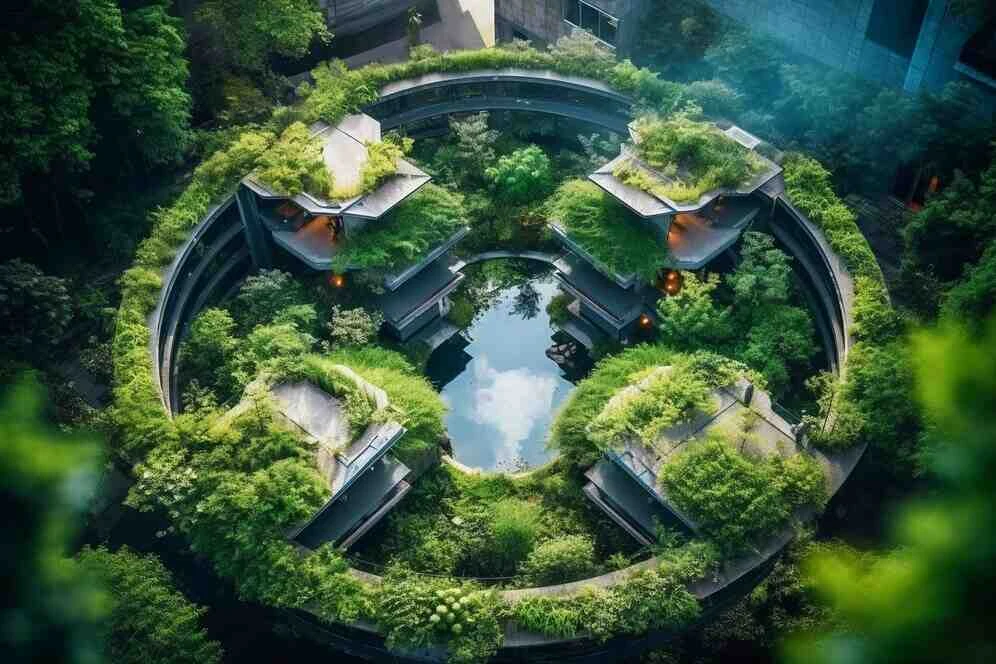
The United Kingdom"s urban landscape is a dynamic tapestry of historical charm and contemporary vitality. With urbanization on the rise and environmental concerns gaining momentum, architects in the U...
Sign up to start winning an unlimited amount of jobs near you.


 Electrician
Gas Engineer
Electrician
Gas Engineer


Send more enquiries and explore your options
Increasing the number of potentials leads for you!
Have more control and flexibility over your finances!