


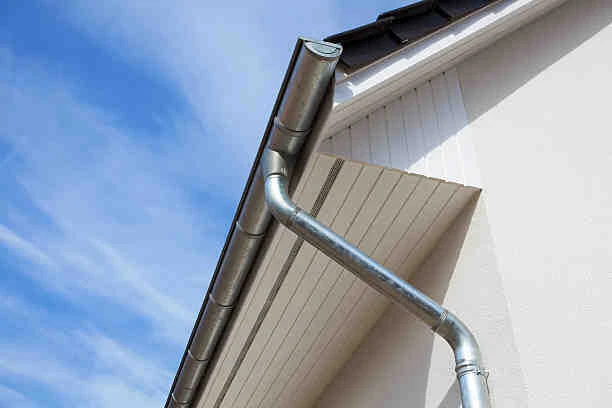
Understanding Fascia and Soffit
Before diving into advanced techniques, let"s briefly review what fascia and soffit are and their roles in a building"s structure:
1. **Fascia**: The fascia is the long, straight board that runs horizontally along the lower edge of a roof, connecting to the ends of the rafters. It serves both functional and aesthetic purposes, protecting the roof"s edges and giving a polished look to the building.
2. **Soffit**: The soffit is the underside of the overhanging section of a roof, which can be exposed or enclosed. It plays a vital role in ventilating the attic and regulating temperature and moisture levels.
Now, let"s explore advanced techniques for fascia and soffit work.
**1. Material Selection:**
Advanced work begins with selecting the right materials for your fascia and soffit. Explore various materials, including wood, PVC, aluminum, and composite, and consider factors such as durability, weather resistance, and maintenance requirements. Each material offers unique advantages, so choose the one that best suits your project"s specific needs.
**2. Ventilation Design:**
Proper ventilation is essential for the health of your building. Advanced soffit work includes designing ventilation systems that promote air circulation within the attic, which helps regulate temperature and moisture levels. This can prevent issues like condensation, mold growth, and premature deterioration of building materials.
**3. Customization and Aesthetics:**
Advanced fascia and soffit work often involves custom designs and intricate details that enhance the building"s aesthetics. Incorporate decorative elements, such as intricate moldings, color schemes, and unique profiles, to give your project a distinctive look that stands out.
**4. Water Management:**
One crucial aspect of fascia and soffit is proper water management. Advanced techniques include designing systems that effectively channel water away from the building, preventing damage to the structure and foundation. This may involve the installation of specialized gutters and drainage systems.
**5. Seamless Joints and Finishes:**
Achieving seamless joints between fascia and soffit elements is a hallmark of advanced craftsmanship. Techniques like mitered corners, concealed fasteners, and precision installation can create a clean and polished finish that exudes professionalism.
**6. Installation on Complex Rooflines:**
Working on buildings with complex rooflines, such as gables, dormers, or multiple angles, requires advanced skills. It involves precise measurement, cutting, and fitting to ensure that the fascia and soffit follow the unique contours of the roof.
**7. Safety Protocols:**
Safety should always be a top priority. Advanced fascia and soffit work may involve working at heights, handling heavy materials, and using power tools. Ensure you are well-versed in safety protocols, use appropriate personal protective equipment, and adhere to industry standards.
**8. Maintenance Strategies:**
Advanced techniques also include planning for long-term maintenance. Consider strategies for easy access to fascia and soffit components that may require periodic inspection or maintenance, such as painting or cleaning.
Conclusion
Mastering advanced fascia and soffit techniques is a valuable skill for builders, contractors, and homeowners alike. By exploring material options, designing effective ventilation systems, customizing for aesthetics, managing water, creating seamless finishes, working on complex rooflines, prioritizing safety, and planning for maintenance, you can elevate your construction or renovation projects to a level of excellence. These advanced techniques not only enhance the functionality and durability of your building but also contribute to its visual appeal and long-term value.
Renovating a period property in the UK can be an exciting project, but it"s important to approach it with care and consideration. These properties come with unique challenges and considerations, and i...

In the heart of the United Kingdom"s architectural landscape, a quiet revolution is underway. Architects across the country are increasingly turning to advanced 3D modeling and visualization technique...

In the dynamic realm of architecture in the United Kingdom, a quiet revolution is reshaping the way buildings are conceived, designed, and brought to life. Building Information Modeling (BIM) has emer...
In the diverse tapestry of the United Kingdom"s architectural landscape, an often-overlooked but crucial element weaves through the fabric of building design: architectural acoustics. The ability to c...

In the dynamic landscape of architecture in the United Kingdom, architects are assuming increasingly multifaceted roles. Beyond their traditional responsibilities of design and aesthetics, they are st...
The United Kingdom"s urban landscape is a dynamic tapestry of historical charm and contemporary vitality. With urbanization on the rise and environmental concerns gaining momentum, architects in the U...
Sign up to start winning an unlimited amount of jobs near you.


 Electrician
Gas Engineer
Electrician
Gas Engineer


Send more enquiries and explore your options
Increasing the number of potentials leads for you!
Have more control and flexibility over your finances!