



The Importance of Skills Development in Fencing Business
1. **Adaptability to Technological Advances:**
The fencing industry is not immune to technological advancements. Smart fencing systems, automation, and eco-friendly materials are just a few examples of innovations that have transformed the field. To remain competitive and meet the demands of modern customers, your team needs to be well-versed in these technologies.
2. **Ensuring Quality Workmanship:**
High-quality workmanship is the cornerstone of any successful fencing business. Investing in skills development ensures that your employees are proficient in various aspects of fencing, from installation techniques to craftsmanship in joinery and design.
3. **Meeting Regulatory Requirements:**
Fencing businesses must comply with local and national regulations. An untrained team can inadvertently violate these rules, leading to costly fines and legal issues. Skills development includes educating your team on regulatory compliance.
4. **Enhancing Customer Satisfaction:**
Satisfied customers are more likely to recommend your services and become repeat clients. Skills development can empower your team to provide better service, leading to higher customer satisfaction and retention rates.
5. **Diversifying Services:**
Expanding the range of fencing services you offer can open up new revenue streams. Skills development allows your team to diversify into different types of fencing, such as security fences, ornamental fencing, or eco-friendly solutions.
How to Invest in Skills Development for Your Fencing Business
1. **Training Workshops and Seminars:**
Identify training workshops and seminars relevant to the fencing industry. These events often cover the latest technologies and best practices.
2. **On-the-Job Training:**
Implement on-the-job training programs where experienced team members mentor newer employees. This hands-on approach allows for skill transfer and can enhance your team"s expertise.
3. **Online Courses:**
Explore online courses and certifications related to fencing, regulatory compliance, and technological advancements. They offer flexibility and can be pursued by your team at their own pace.
4. **Industry Associations:**
Join fencing industry associations or organizations, which often provide resources, training materials, and networking opportunities.
5. **Consult with Experts:**
Bring in experts and consultants to provide specialized training in areas like fence design, joinery, material selection, and business management.
6. **Regularly Update Tools and Equipment:**
Modern fencing tools and equipment can greatly improve efficiency and work quality. Ensure your team has access to the latest and most effective tools.
7. **Performance Feedback and Improvement Plans:**
Provide regular feedback to employees, highlighting areas for improvement. Develop performance improvement plans and provide support for skill enhancement.
Conclusion
Investing in skills development is a strategic choice that positions your fencing business for growth and long-term success. A well-trained and knowledgeable team not only ensures high-quality work but also helps you adapt to industry trends and provide exceptional customer service. As the fencing industry continues to evolve, your commitment to skills development will keep your business at the forefront of innovation and customer satisfaction, ultimately leading to business growth and success.

Renovating a period property in the UK can be an exciting project, but it"s important to approach it with care and consideration. These properties come with unique challenges and considerations, and i...

In the heart of the United Kingdom"s architectural landscape, a quiet revolution is underway. Architects across the country are increasingly turning to advanced 3D modeling and visualization technique...

In the dynamic realm of architecture in the United Kingdom, a quiet revolution is reshaping the way buildings are conceived, designed, and brought to life. Building Information Modeling (BIM) has emer...
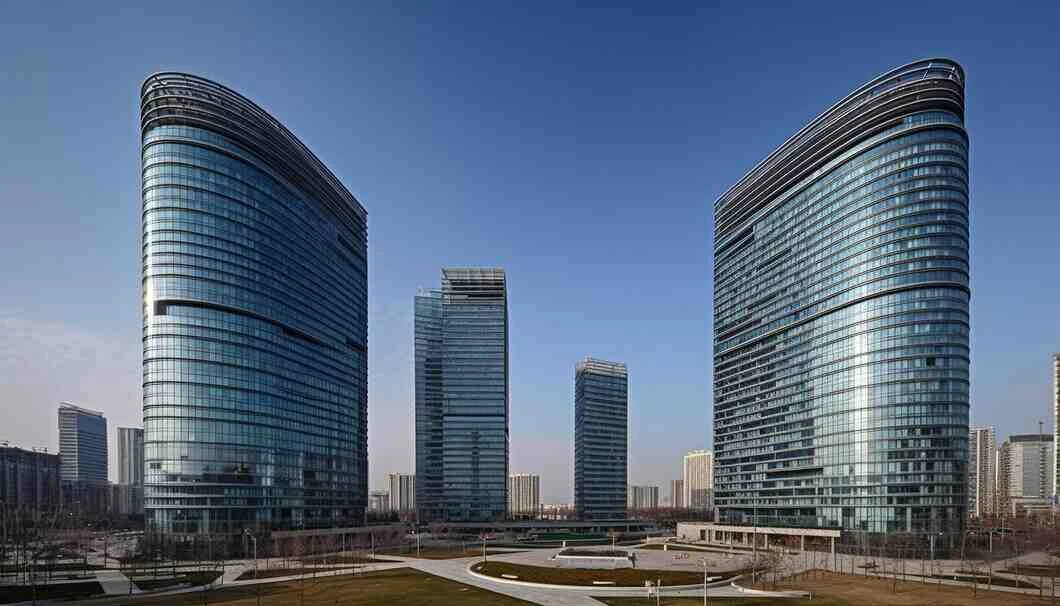
In the diverse tapestry of the United Kingdom"s architectural landscape, an often-overlooked but crucial element weaves through the fabric of building design: architectural acoustics. The ability to c...

In the dynamic landscape of architecture in the United Kingdom, architects are assuming increasingly multifaceted roles. Beyond their traditional responsibilities of design and aesthetics, they are st...

The United Kingdom"s urban landscape is a dynamic tapestry of historical charm and contemporary vitality. With urbanization on the rise and environmental concerns gaining momentum, architects in the U...
Sign up to start winning an unlimited amount of jobs near you.


 Electrician
Gas Engineer
Electrician
Gas Engineer


Send more enquiries and explore your options
Increasing the number of potentials leads for you!
Have more control and flexibility over your finances!