


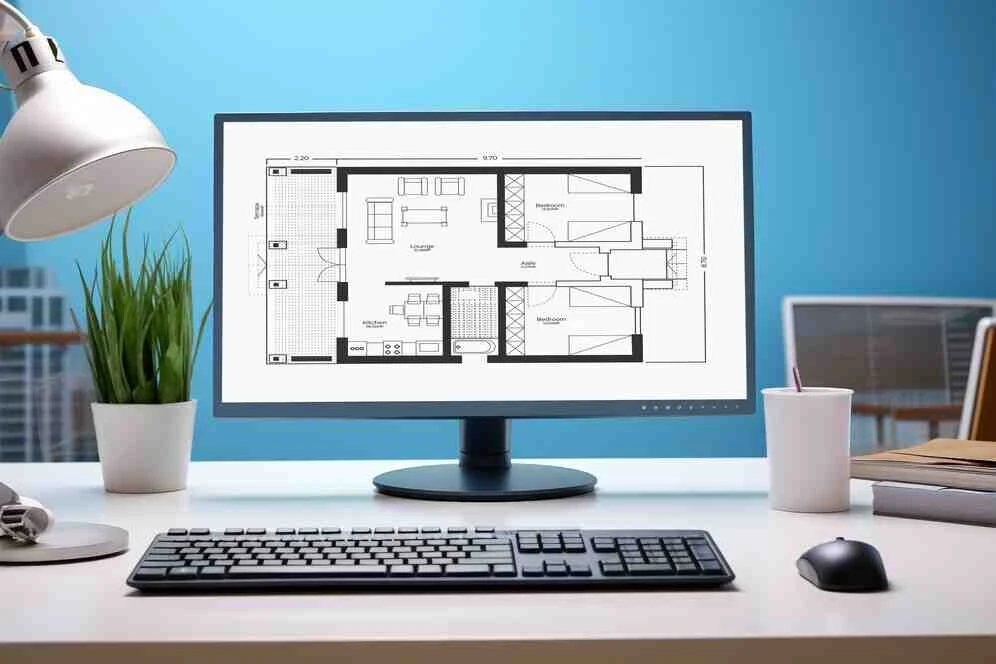
The Collaborative Imperative in Architecture
Collaboration has always been a cornerstone of architectural practice. Architects collaborate with clients to understand their needs and visions, with engineers to ensure structural integrity, and with contractors to bring designs into reality. Effective collaboration is key to delivering successful projects on time and within budget.
However, as architectural projects have grown in complexity and scale, the need for more efficient and integrated collaboration tools has become increasingly apparent. This is where collaborative design software steps in.
Understanding Collaborative Design Software
Collaborative design software is a category of digital tools that facilitate teamwork and communication among architects, designers, engineers, and other project stakeholders. These tools enable architects to work on the same project simultaneously, exchange information in real-time, and make coordinated decisions. Two of the most prominent collaborative design software in the architectural industry are Revit and AutoCAD.
Revit: Building Information Modeling (BIM) Collaboration
Revit is a Building Information Modeling (BIM) software developed by Autodesk. It is a powerhouse for collaborative design in architecture and construction. Here"s how Revit transforms collaboration:
Integrated Platform: Revit provides a single platform where architects, engineers, and contractors can collaborate on a project. It ensures that everyone is working with the same data, reducing errors and conflicts.
Real-Time Updates: Changes made by one team member are instantly reflected across the project, enabling seamless coordination.
Data-Rich Models: Revit allows architects to create data-rich 3D models that include information about building components, materials, and more. This information is invaluable for decision-making.
Clash Detection: It includes clash detection tools that identify and resolve clashes between architectural, structural, and MEP (Mechanical, Electrical, Plumbing) systems.
AutoCAD: Collaboration through Drawing and Drafting
AutoCAD, also developed by Autodesk, is another industry-standard software widely used in architecture and engineering. While it doesn"t have the same level of real-time collaboration as Revit, it offers valuable collaboration features:
File Sharing: AutoCAD files can be easily shared with collaborators, allowing multiple team members to work on the same project simultaneously.
Layer Management: AutoCAD"s layer management system helps architects and drafters organize and collaborate on complex drawings more efficiently.
Markup Tools: Collaborators can add comments, annotations, and markups to AutoCAD drawings, facilitating communication and revisions.
Benefits of Collaborative Design Software in Architecture
The adoption of collaborative design software, such as Revit and AutoCAD, has brought several benefits to architectural practice:
Streamlined Workflows: Collaboration tools reduce redundant tasks and streamline the design process, saving time and increasing productivity.
Enhanced Communication: Real-time communication and collaboration features facilitate better understanding among team members and stakeholders.
Reduced Errors: Collaborative design software minimizes errors and conflicts by ensuring that everyone works with the latest information and changes are instantly reflected in the project.
Improved Decision-Making: Access to data-rich models and information allows for better-informed decisions throughout the design and construction phases.
Case Studies: Collaborative Design Success Stories
Let"s explore a couple of case studies where collaborative design software played a pivotal role in the success of architectural projects in the UK:
The Shard, London: The design and construction of London"s iconic skyscraper, The Shard, relied heavily on collaborative design tools like Revit to coordinate between various teams and ensure that the complex geometry was executed accurately.
Heathrow Terminal 5: The construction of Heathrow Terminal 5 involved extensive collaboration between architects, engineers, and contractors. AutoCAD and other collaboration tools were instrumental in managing the project"s complexity.
Challenges and Future Directions
While collaborative design software has revolutionized architectural practice, challenges remain:
Learning Curve: Mastery of these tools requires training and adaptation, and some architects may find the learning curve steep.
Interoperability: Ensuring that different software and platforms can seamlessly work together remains a challenge.
Data Security: Protecting sensitive project data and intellectual property is a concern when using cloud-based collaboration platforms.
The future of collaborative design software in architecture is promising. As technology continues to advance, we can expect even more sophisticated tools that further streamline collaboration, enhance communication, and enable architects to focus on what they do best—designing spaces that inspire, innovate, and elevate the human experience.
In the United Kingdom, architects are embracing collaborative design software to create iconic structures that reflect the synergy of creativity and technology. These tools are not just changing the way architects work; they are shaping the future of architecture itself—a future where collaboration knows no bounds and where architectural visions become reality with unprecedented precision and efficiency.

Renovating a period property in the UK can be an exciting project, but it"s important to approach it with care and consideration. These properties come with unique challenges and considerations, and i...
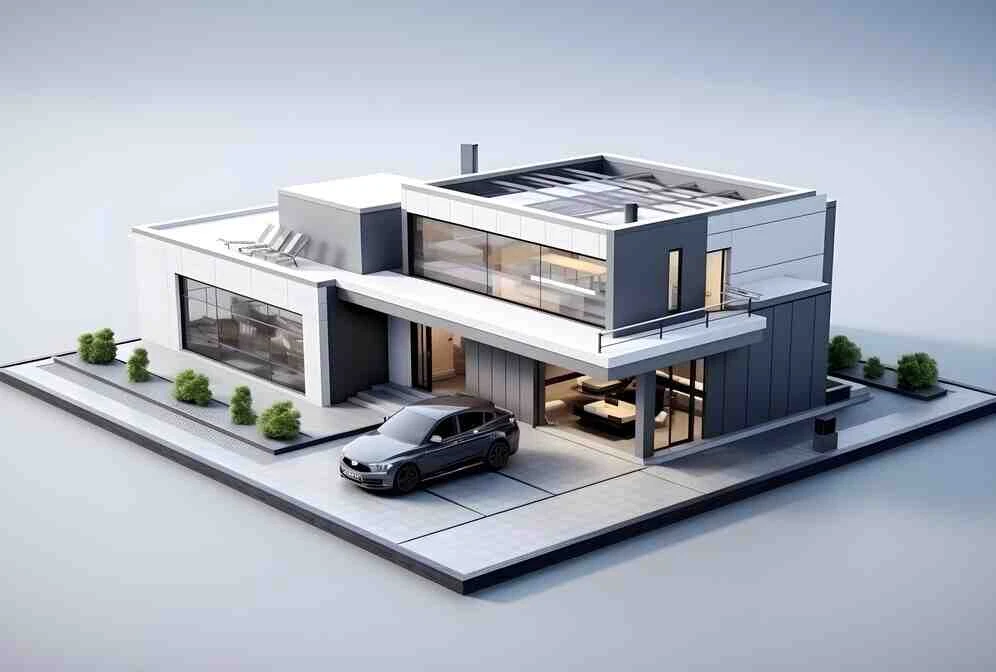
In the heart of the United Kingdom"s architectural landscape, a quiet revolution is underway. Architects across the country are increasingly turning to advanced 3D modeling and visualization technique...

In the dynamic realm of architecture in the United Kingdom, a quiet revolution is reshaping the way buildings are conceived, designed, and brought to life. Building Information Modeling (BIM) has emer...

In the diverse tapestry of the United Kingdom"s architectural landscape, an often-overlooked but crucial element weaves through the fabric of building design: architectural acoustics. The ability to c...
In the dynamic landscape of architecture in the United Kingdom, architects are assuming increasingly multifaceted roles. Beyond their traditional responsibilities of design and aesthetics, they are st...

The United Kingdom"s urban landscape is a dynamic tapestry of historical charm and contemporary vitality. With urbanization on the rise and environmental concerns gaining momentum, architects in the U...
Sign up to start winning an unlimited amount of jobs near you.


 Electrician
Gas Engineer
Electrician
Gas Engineer


Send more enquiries and explore your options
Increasing the number of potentials leads for you!
Have more control and flexibility over your finances!