


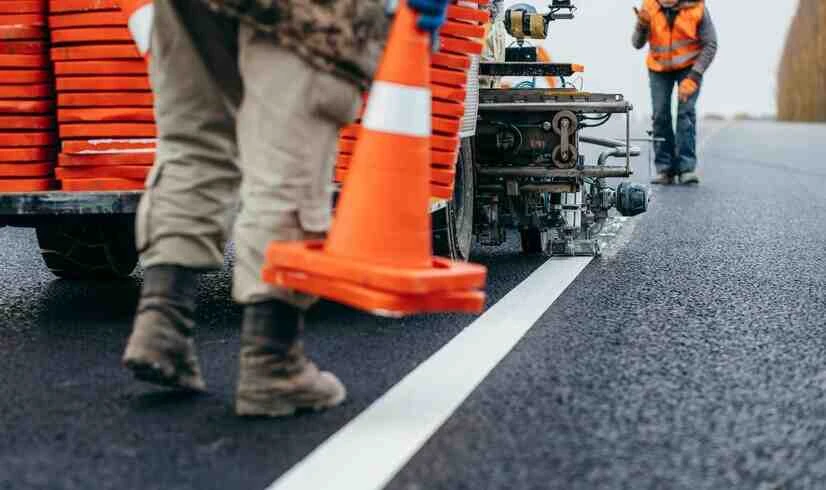
**The Importance of Quality**
Quality is the foundation of any successful paving project. Here"s why it matters:
1. **Longevity**: Quality work ensures that the paved surface will endure the test of time, minimizing the need for costly repairs or replacements.
2. **Safety**: High-quality paving work promotes safety by reducing the risk of accidents, such as tripping hazards or road damage.
3. **Aesthetics**: A well-executed paving project enhances the property"s visual appeal and increases its value.
4. **Client Satisfaction**: Quality work is vital for client satisfaction and repeat business, as it reflects professionalism and reliability.
**The Value of Speed**
Speed is another critical aspect of paving work. Here"s why it is equally important:
1. **Client Expectations**: Clients often expect projects to be completed promptly, and delays can lead to dissatisfaction.
2. **Profitability**: Efficiency in completing projects can lead to higher profitability by reducing labor and equipment costs.
3. **Resource Management**: Optimizing speed allows you to allocate resources more efficiently, increasing your capacity to take on more projects.
4. **Competitive Advantage**: Faster completion times can give you a competitive edge in the market and attract more clients.
**Strategies for Balancing Speed and Quality**
1. **Plan and Preparations**: Comprehensive project planning is essential. This includes detailed design, material selection, and scheduling. A well-thought-out plan helps minimize disruptions and ensures that the project proceeds smoothly.
2. **Skilled Workforce**: Invest in skilled and experienced labor. Proper training and experience lead to greater efficiency without compromising quality. Well-trained teams can work quickly while maintaining precision.
3. **Efficient Equipment**: Utilize the latest and most efficient equipment available. Modern machinery not only speeds up work but also enhances the quality of the finish.
4. **Regular Maintenance**: Regular equipment maintenance is essential for preventing breakdowns that can cause delays. Implement a strict maintenance schedule to keep your equipment in optimal condition.
5. **Workforce Management**: Effective workforce management is crucial. Allocate tasks based on each worker"s skills and expertise. Streamline the workflow to eliminate unnecessary downtime.
6. **Communication**: Open and transparent communication among the project team, subcontractors, and clients is vital. It ensures that everyone is on the same page regarding the project"s timeline, scope, and potential challenges.
7. **Quality Assurance Protocols**: Implement quality control checks at various stages of the project. These inspections help identify and rectify issues quickly, ensuring that quality is maintained without compromising speed.
8. **Materials Selection**: Choose high-quality paving materials that are durable and require minimal maintenance. High-quality materials may cost more upfront but can reduce long-term maintenance expenses.
9. **Safety Protocols**: Prioritize safety at all times. Injuries or accidents can lead to costly delays. Implement safety protocols and provide adequate training to your workforce.
10. **Flexibility**: Be prepared to adapt to unforeseen circumstances without compromising quality. Flexibility in the face of weather changes, unexpected site conditions, or client requests is essential for successful paving projects.
**Conclusion**
Balancing speed and quality in paving work is indeed an art. It requires meticulous planning, efficient processes, skilled labor, and a commitment to delivering the best possible results. By implementing these strategies and continuously seeking ways to improve, paving professionals can strike the right balance and maintain a reputation for delivering high-quality work within the expected timeframes.
Renovating a period property in the UK can be an exciting project, but it"s important to approach it with care and consideration. These properties come with unique challenges and considerations, and i...

In the heart of the United Kingdom"s architectural landscape, a quiet revolution is underway. Architects across the country are increasingly turning to advanced 3D modeling and visualization technique...

In the dynamic realm of architecture in the United Kingdom, a quiet revolution is reshaping the way buildings are conceived, designed, and brought to life. Building Information Modeling (BIM) has emer...

In the diverse tapestry of the United Kingdom"s architectural landscape, an often-overlooked but crucial element weaves through the fabric of building design: architectural acoustics. The ability to c...

In the dynamic landscape of architecture in the United Kingdom, architects are assuming increasingly multifaceted roles. Beyond their traditional responsibilities of design and aesthetics, they are st...

The United Kingdom"s urban landscape is a dynamic tapestry of historical charm and contemporary vitality. With urbanization on the rise and environmental concerns gaining momentum, architects in the U...
Sign up to start winning an unlimited amount of jobs near you.


 Electrician
Gas Engineer
Electrician
Gas Engineer


Send more enquiries and explore your options
Increasing the number of potentials leads for you!
Have more control and flexibility over your finances!