



Why Balance Speed and Quality?
Balancing speed and quality in garden work is essential for several reasons:
1. Time Efficiency: Completing tasks more quickly can free up time for other gardening activities, ensuring that you make the most of your gardening season.
2. Resource Management: Efficient gardening practices can help you conserve resources such as water, energy, and materials.
3. Consistency: High-quality work ensures that your garden thrives and looks its best, providing you with the satisfaction of a job well done.
4. Personal Satisfaction: A well-maintained garden can be a source of personal pride and enjoyment, making your efforts worthwhile.
Tips for Balancing Speed and Quality
1. Plan and Prioritize
Before you begin any garden task, take the time to plan and prioritize. Identify which tasks are most important and need to be completed with the highest quality, and which ones can be expedited. Planning ensures that you allocate your time and resources efficiently.
2. Invest in Quality Tools
Having the right tools for the job can significantly improve your efficiency and the quality of your work. High-quality tools not only make tasks easier but also last longer, reducing the need for constant replacements.
3. Automate Repetitive Tasks
Consider automating repetitive tasks in your garden, such as watering and weeding. Drip irrigation systems, soaker hoses, and mulch can save you time and effort while maintaining quality.
4. Know Your Plants
Understanding the specific needs of your plants is crucial for balancing speed and quality. Tailor your care based on the type of plant, its growth stage, and environmental conditions. Overwatering or over-fertilizing, for instance, can lead to issues that may require more time to rectify.
5. Work in Zones
Divide your garden into zones and focus on one area at a time. This approach allows you to manage your garden systematically, ensuring that each part receives the appropriate care.
6. Regular Maintenance
Frequent but short gardening sessions can be more effective than occasional, long marathons in the garden. Regular maintenance prevents tasks from piling up, leading to better results with less effort.
7. Learn from Experience
Over time, you"ll develop a sense of how to balance speed and quality in your garden work. Learning from your experience will help you refine your techniques and make better decisions.
8. Seek Advice and Education
Don"t hesitate to seek advice from experienced gardeners or take courses on gardening. Learning from others and staying updated on best practices can improve both the speed and quality of your garden work.
9. Accept Imperfection
Perfection is often unattainable in gardening. Accept that a few imperfections or minor weeds won"t diminish the overall beauty and health of your garden. Sometimes, striving for perfection can lead to overworked and inefficient gardening.
Conclusion
Balancing speed and quality in garden work is an ongoing process, and it may take time to find the right equilibrium. Remember that gardening is a labor of love, and the journey is just as important as the destination. By planning, investing in tools, automating tasks, and maintaining your garden regularly, you can strike a balance that allows you to enjoy your garden while keeping it vibrant and healthy. Ultimately, the key is to adapt your approach to suit your unique gardening style and goals.
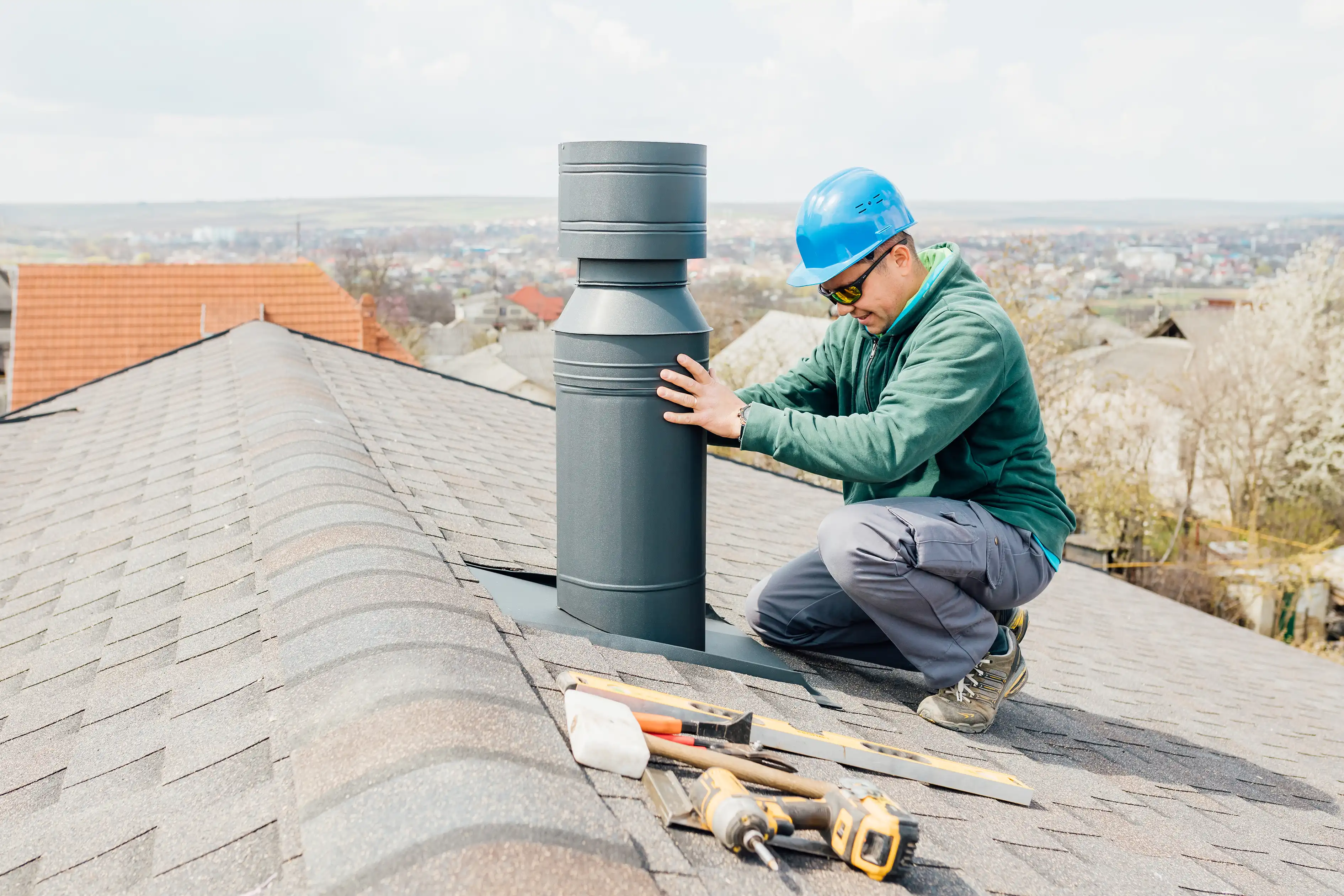
Renovating a period property in the UK can be an exciting project, but it"s important to approach it with care and consideration. These properties come with unique challenges and considerations, and i...

In the heart of the United Kingdom"s architectural landscape, a quiet revolution is underway. Architects across the country are increasingly turning to advanced 3D modeling and visualization technique...

In the dynamic realm of architecture in the United Kingdom, a quiet revolution is reshaping the way buildings are conceived, designed, and brought to life. Building Information Modeling (BIM) has emer...

In the diverse tapestry of the United Kingdom"s architectural landscape, an often-overlooked but crucial element weaves through the fabric of building design: architectural acoustics. The ability to c...

In the dynamic landscape of architecture in the United Kingdom, architects are assuming increasingly multifaceted roles. Beyond their traditional responsibilities of design and aesthetics, they are st...

The United Kingdom"s urban landscape is a dynamic tapestry of historical charm and contemporary vitality. With urbanization on the rise and environmental concerns gaining momentum, architects in the U...
Sign up to start winning an unlimited amount of jobs near you.


 Electrician
Gas Engineer
Electrician
Gas Engineer


Send more enquiries and explore your options
Increasing the number of potentials leads for you!
Have more control and flexibility over your finances!