


The Importance of Balancing Speed and Quality
Extension professionals are at the forefront of translating research into practical solutions for communities. They are often under pressure to address pressing issues, whether in agriculture, health, education, or other areas. While the urgency of the situation may demand quick responses, the core of extension work is to deliver reliable and sustainable results. Here are a few reasons why striking the balance between speed and quality is crucial:
1. **Meeting Immediate Needs:** Speed is essential when addressing urgent community needs, such as natural disasters or health emergencies. A quick response can make a significant difference in such situations.
2. **Long-term Impact:** Extension work is not just about quick fixes. It aims to provide long-lasting solutions that create a lasting impact on communities. Quality is essential to ensure that the solutions are sustainable and effective over time.
3. **Reputation and Trust:** Consistently delivering high-quality services builds trust within the community and among stakeholders. This trust is hard to establish but easy to lose if speed compromises the quality of work.
4. **Resource Allocation:** Striking the right balance between speed and quality helps in efficient resource allocation. Wasting time and resources on hasty, low-quality solutions can hinder the overall effectiveness of extension work.
Strategies for Balancing Speed and Quality in Extension Work
1. **Prioritize Needs:** Start by identifying the most pressing community needs and prioritize them. Not every issue requires immediate attention, and some may benefit from a more thorough approach.
2. **Effective Planning:** Invest time in comprehensive project planning. This includes setting realistic timelines, allocating resources wisely, and developing strategies that emphasize both speed and quality.
3. **Leverage Technology:** Technology can significantly enhance both speed and quality in extension work. Tools like data analytics, remote monitoring, and communication apps can streamline processes and improve the accuracy of data collection.
4. **Collaboration:** Working in collaboration with other extension professionals, experts, and community members can help distribute tasks and pool resources effectively. A collaborative approach often leads to better quality solutions and faster results.
5. **Continuous Learning:** Stay updated on the latest research, technologies, and best practices in your field. Continuous learning equips you with the knowledge and skills needed to improve both the speed and quality of your work.
6. **Feedback Loops:** Establish feedback mechanisms to gather input from the community and stakeholders. This not only ensures that your solutions align with their needs but also allows for continuous improvement in your work.
7. **Flexible Approaches:** Be willing to adapt your strategies to the specific needs of different communities and situations. A one-size-fits-all approach may not be suitable for all cases.
8. **Measuring Impact:** Use performance indicators and data to assess the impact of your work. This data-driven approach can help you fine-tune your efforts to optimize the balance between speed and quality.
Conclusion
Balancing speed and quality in extension work is an ongoing process that requires careful consideration and adaptability. While there may be instances where speed is of the essence, quality should never be sacrificed. Extension professionals must continually evaluate their strategies and approaches to find the equilibrium that best serves the needs of the communities they work with. Achieving this balance ensures that your extension work is not only timely but also consistently makes a positive and lasting impact on the communities you serve.
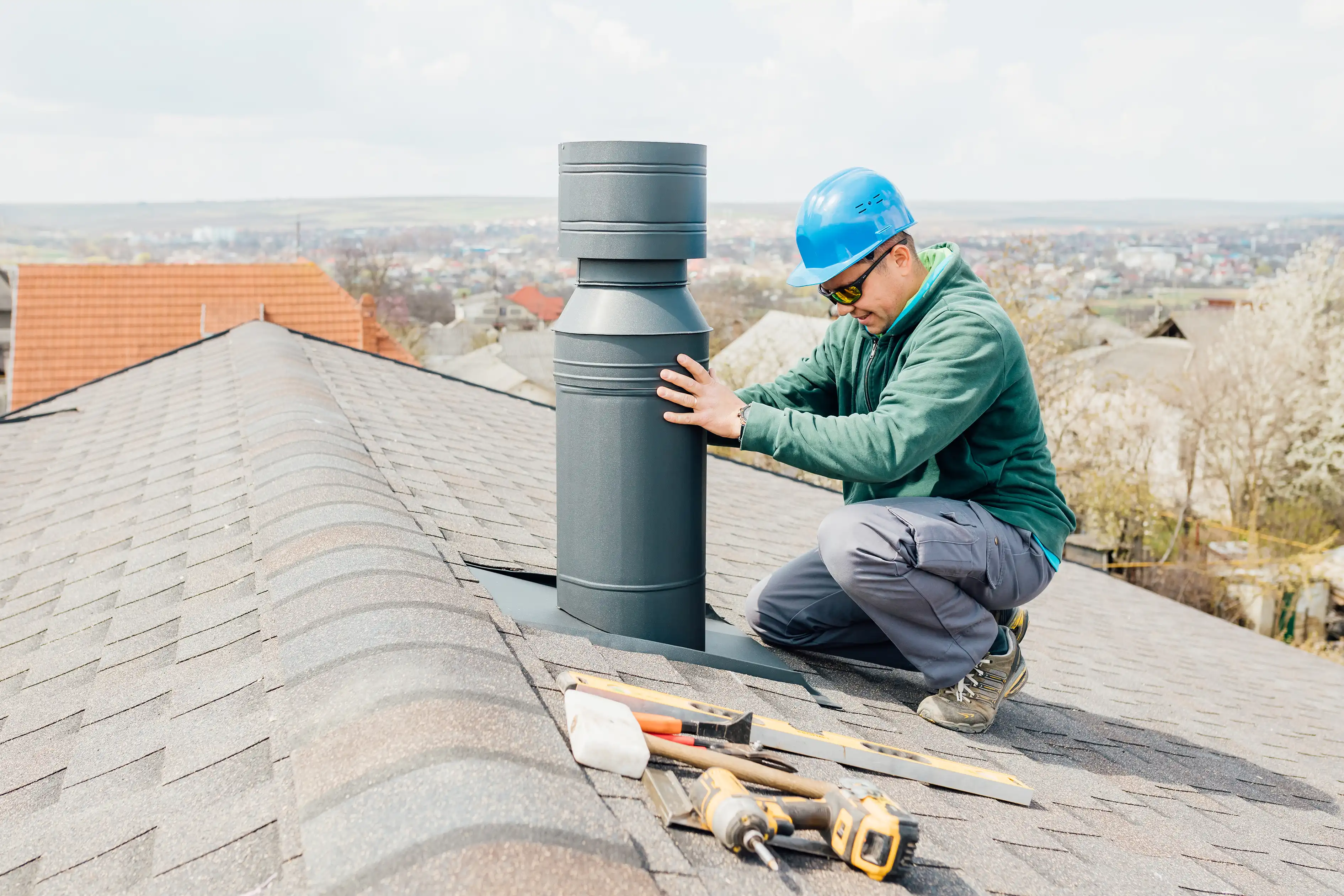
Renovating a period property in the UK can be an exciting project, but it"s important to approach it with care and consideration. These properties come with unique challenges and considerations, and i...

In the heart of the United Kingdom"s architectural landscape, a quiet revolution is underway. Architects across the country are increasingly turning to advanced 3D modeling and visualization technique...

In the dynamic realm of architecture in the United Kingdom, a quiet revolution is reshaping the way buildings are conceived, designed, and brought to life. Building Information Modeling (BIM) has emer...
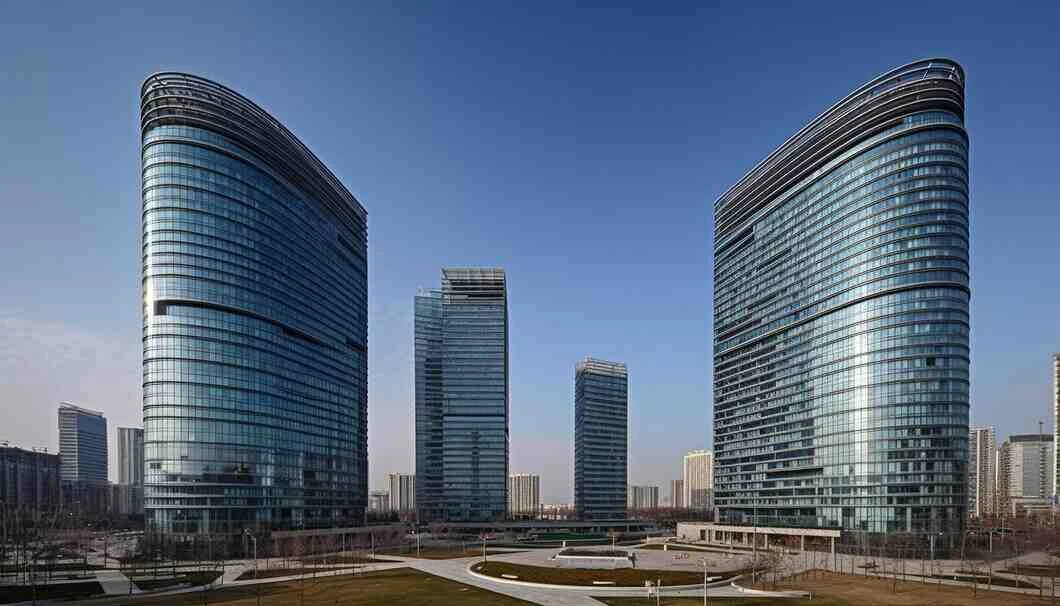
In the diverse tapestry of the United Kingdom"s architectural landscape, an often-overlooked but crucial element weaves through the fabric of building design: architectural acoustics. The ability to c...
In the dynamic landscape of architecture in the United Kingdom, architects are assuming increasingly multifaceted roles. Beyond their traditional responsibilities of design and aesthetics, they are st...

The United Kingdom"s urban landscape is a dynamic tapestry of historical charm and contemporary vitality. With urbanization on the rise and environmental concerns gaining momentum, architects in the U...
Sign up to start winning an unlimited amount of jobs near you.


 Electrician
Gas Engineer
Electrician
Gas Engineer


Send more enquiries and explore your options
Increasing the number of potentials leads for you!
Have more control and flexibility over your finances!