


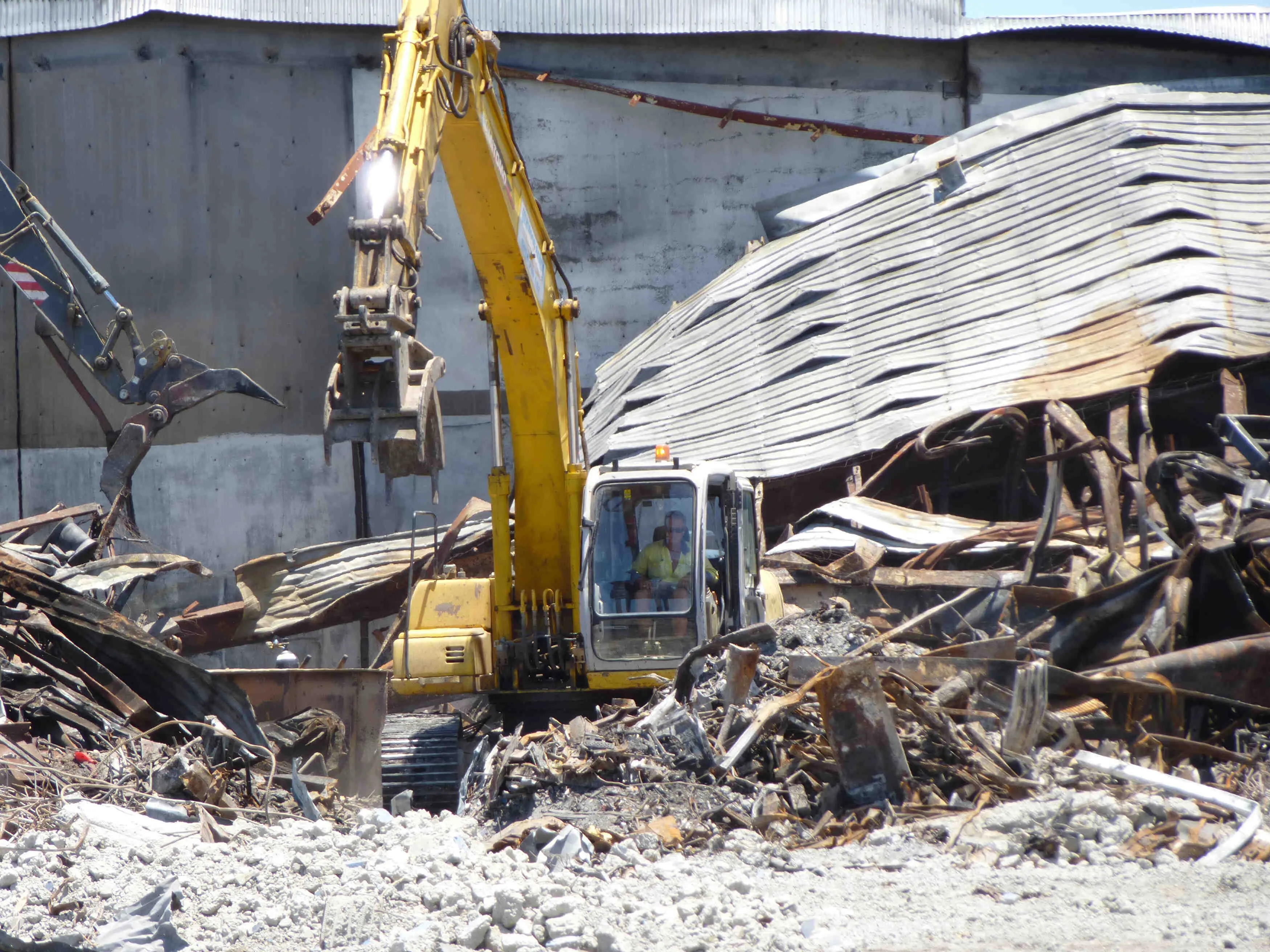
I. The Urgency of Sustainable Recycling
Before we delve into advanced techniques, it"s essential to understand why sustainable recycling is more crucial than ever. Our planet"s resources are finite, and the waste we generate continues to strain our environment. Here are some pressing reasons for adopting advanced recycling practices:
Resource Scarcity: Many of the earth"s resources, such as metals, are becoming scarcer and more expensive to extract. Sustainable recycling allows us to reduce our dependency on virgin materials.
Energy Savings: Recycling materials requires significantly less energy compared to producing new items from raw materials. This leads to reduced greenhouse gas emissions and energy consumption.
Waste Reduction: Landfills are filling up fast, and waste incineration poses health and environmental risks. Effective recycling helps divert waste from these disposal methods.
Economic Benefits: Recycling contributes to job creation, supports local economies, and fosters innovation in the recycling industry.
II. Advanced Salvage Techniques
Advanced salvage techniques play a pivotal role in the recycling process by recovering valuable materials from discarded items. Here are some innovative methods that are making a difference:
Urban Mining: Urban mining involves the recovery of valuable resources from e-waste, construction debris, and other discarded items. It not only conserves resources but also reduces the need for mining and its associated environmental impacts.
Automated Sorting Systems: Advanced sorting systems use robotics, artificial intelligence, and machine learning to identify and separate recyclables from waste more efficiently and accurately than ever before.
High-Resolution Imaging: Advanced cameras and imaging technology help in recognizing recyclable materials, enabling precise separation of items like plastics, glass, and paper.
Enhanced Depollution: Salvaging valuable materials from end-of-life vehicles (ELVs) involves depolluting the vehicles by safely removing hazardous materials before recycling. This prevents contamination of materials and ensures safe disposal of harmful substances.
III. Cutting-Edge Recycling Techniques
Once salvaged materials have been collected, recycling processes turn them into valuable resources. Here are some advanced recycling techniques that are shaping the future:
Chemical Recycling: Chemical recycling involves breaking down plastics and other materials into their base components through chemical processes. This method can recycle a wider range of plastics, including those that were previously difficult to process.
3D Printing with Recycled Materials: Innovations in 3D printing technology are allowing for the use of recycled plastics and metals, reducing the need for new raw materials and waste generation.
Closed-Loop Recycling: Closed-loop recycling systems aim to reuse materials in a continuous cycle. Products are designed with recycling in mind, making it easier to recover and repurpose materials.
Sustainable Packaging: Manufacturers are adopting eco-friendly packaging materials that are easier to recycle or compost, reducing waste and environmental impact.
IV. Challenges and Opportunities
While advanced salvage and recycling techniques hold immense promise, they are not without challenges. Some of the key issues include:
Contamination: Contamination of recyclable materials remains a significant issue, reducing the quality and value of recycled products.
Education and Awareness: There is a need for increased public awareness and education about the importance of proper recycling and the types of materials that can be recycled.
Infrastructure: The development of recycling infrastructure, including collection systems and advanced processing facilities, requires substantial investment.
Policy and Regulation: Governments and organizations need to implement and enforce policies that support sustainable recycling practices.
Despite these challenges, advanced salvage and recycling techniques offer significant opportunities for a greener, more sustainable future. As technology continues to advance, these challenges can be addressed more effectively.
V. Examples of Success
To understand the real impact of advanced salvage and recycling techniques, let"s explore some success stories from around the world:
Circular Economy in Sweden: Sweden has adopted a circular economy model that emphasizes recycling and resource efficiency. They have achieved a 99% recycling rate for car batteries, demonstrating the potential of closed-loop recycling.
Electronic Waste Recycling in Japan: Japan has developed sophisticated techniques for recycling electronic waste, recovering valuable materials and minimizing waste in the process.
Coca-Cola"s Sustainable PET Bottles: Coca-Cola introduced PlantBottle technology, which incorporates up to 30% plant-based materials in their PET bottles, making them more sustainable and recyclable.
The Ocean Cleanup: Organizations like The Ocean Cleanup are using advanced technology to collect and recycle plastic waste from the world"s oceans.
VI. Conclusion
The world is at a critical juncture where sustainability is no longer a choice but a necessity. Advanced salvage and recycling techniques are offering solutions to reduce waste, conserve resources, and mitigate the environmental impact of our consumption. These techniques are not only about technology but also require a collective effort from individuals, businesses, and governments to realize their full potential.
As we move toward a future that embraces sustainable recycling practices, we must remain committed to raising awareness, advocating for sound policies, and investing in the necessary infrastructure. By doing so, we can be active participants in the sustainability revolution, shaping a greener, cleaner, and more prosperous future for generations to come.
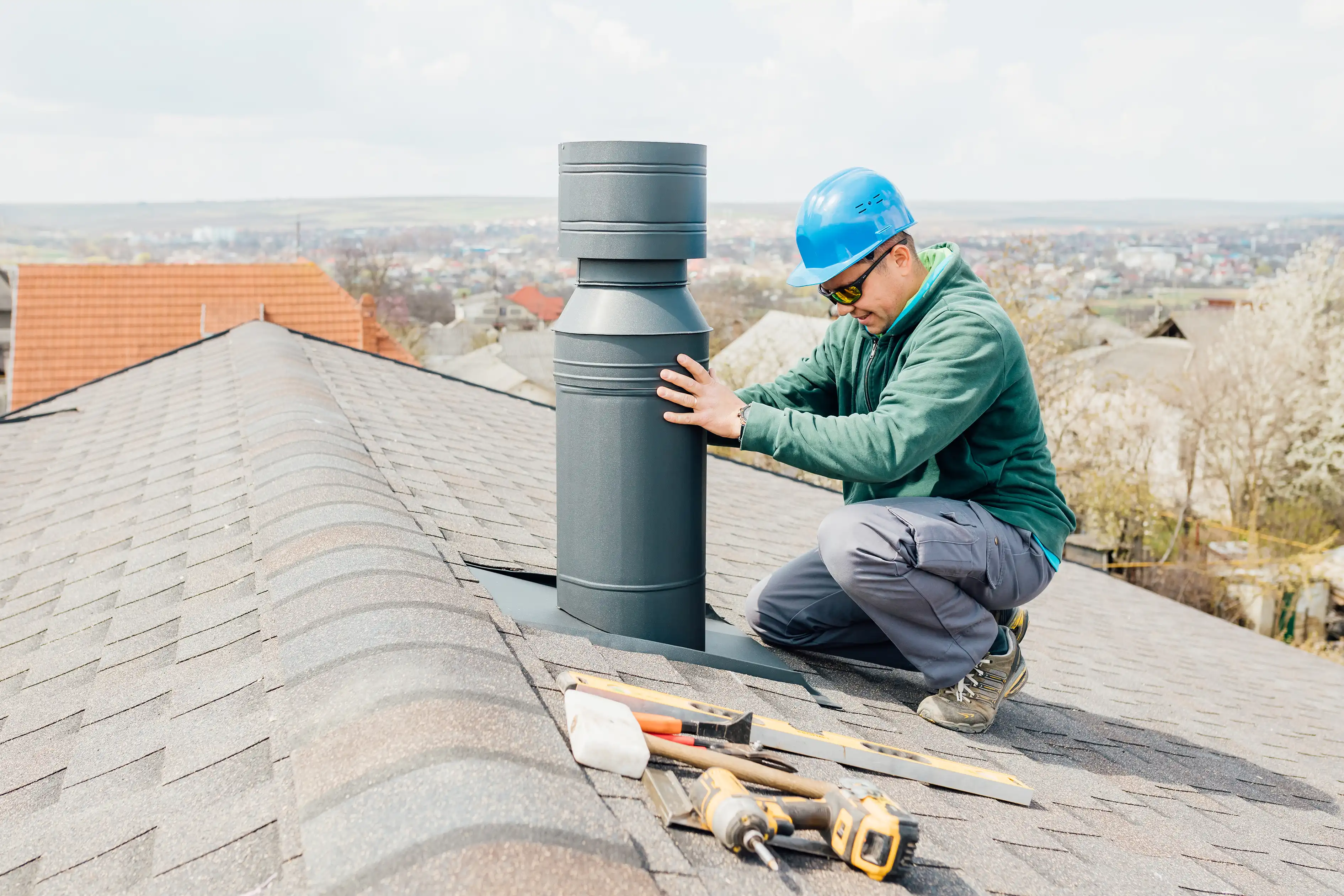
Renovating a period property in the UK can be an exciting project, but it"s important to approach it with care and consideration. These properties come with unique challenges and considerations, and i...

In the heart of the United Kingdom"s architectural landscape, a quiet revolution is underway. Architects across the country are increasingly turning to advanced 3D modeling and visualization technique...

In the dynamic realm of architecture in the United Kingdom, a quiet revolution is reshaping the way buildings are conceived, designed, and brought to life. Building Information Modeling (BIM) has emer...
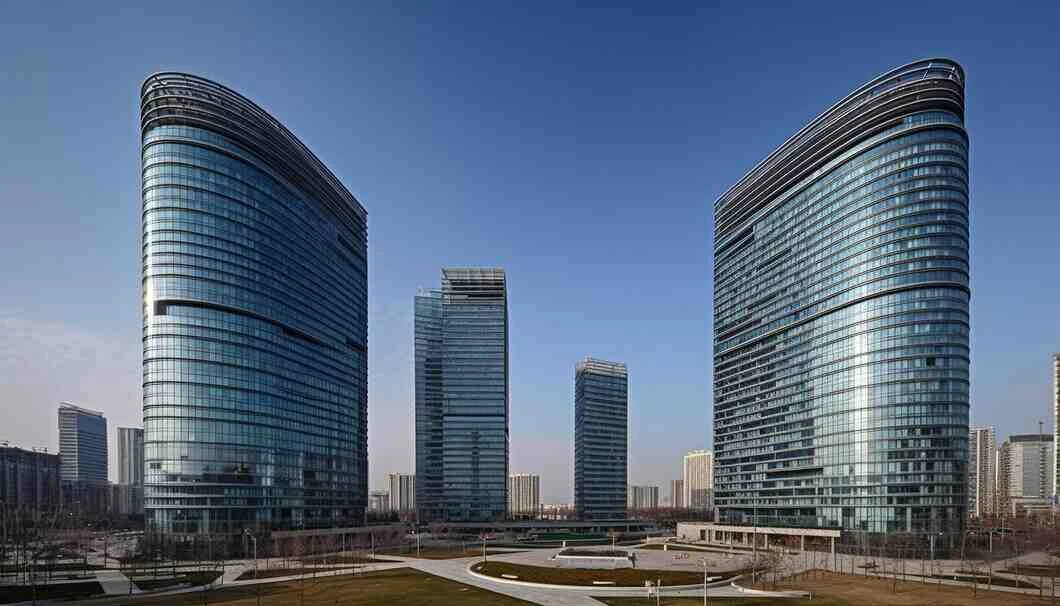
In the diverse tapestry of the United Kingdom"s architectural landscape, an often-overlooked but crucial element weaves through the fabric of building design: architectural acoustics. The ability to c...
In the dynamic landscape of architecture in the United Kingdom, architects are assuming increasingly multifaceted roles. Beyond their traditional responsibilities of design and aesthetics, they are st...

The United Kingdom"s urban landscape is a dynamic tapestry of historical charm and contemporary vitality. With urbanization on the rise and environmental concerns gaining momentum, architects in the U...
Sign up to start winning an unlimited amount of jobs near you.


 Electrician
Gas Engineer
Electrician
Gas Engineer


Send more enquiries and explore your options
Increasing the number of potentials leads for you!
Have more control and flexibility over your finances!