


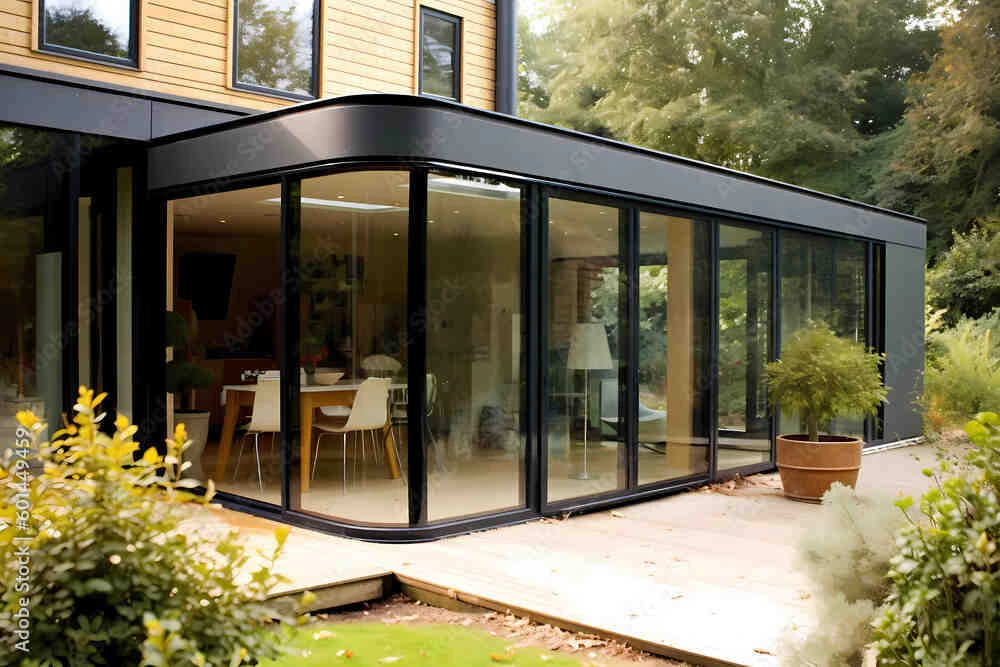
### **1. Embracing Minimalism and Functional Aesthetics**
Modern extensions often embrace minimalism in their design, focusing on clean lines, simplicity, and a functional aesthetic. This approach emphasizes practicality and the efficient use of space. Architects carefully consider the layout, ensuring that every square foot serves a purpose, whether it"s for relaxation, work, or entertainment. The use of neutral colors, sleek materials, and open floor plans contributes to the uncluttered, inviting atmosphere of the extension.
### **2. Harmonious Integration with Existing Structures**
One of the primary challenges in modern extensions is achieving a harmonious blend between the old and the new. Advanced architectural design ensures that the extension seamlessly integrates with the existing structure. This may involve matching the materials, colors, and architectural elements while simultaneously infusing a contemporary twist that reflects the present and future needs of the occupants.
### **3. Maximizing Natural Light**
Advanced architectural design prioritizes natural light as a central element in modern extensions. Large windows, skylights, and glass doors are strategically incorporated to flood the space with daylight. The goal is to create an environment that feels bright, open, and connected to the outdoors. Harnessing natural light not only enhances the aesthetics but also contributes to energy efficiency and well-being.
### **4. Energy Efficiency and Sustainability**
Sustainability is a cornerstone of modern architectural design. Energy-efficient features such as well-insulated walls, energy-efficient windows, and energy-conscious HVAC systems are incorporated to reduce the environmental footprint of the extension. Renewable energy sources like solar panels and geothermal heating may also be integrated to promote sustainability.
### **5. Smart Technology Integration**
In our increasingly digital age, modern extensions often incorporate smart home technology. Advanced architectural design takes into account the integration of smart systems for climate control, lighting, security, and entertainment. This allows homeowners to have full control of their living space from their smartphones or other devices, enhancing convenience and comfort.
### **6. Seamless Indoor-Outdoor Flow**
Modern extensions often emphasize a seamless indoor-outdoor flow. Architectural design focuses on creating connections to outdoor spaces, whether through expansive sliding glass doors that open onto a patio or deck, or through well-placed windows that frame scenic views. This integration with the outdoors not only enhances aesthetics but also promotes a sense of spaciousness and relaxation.
### **7. Flexible Spaces**
Flexibility is a key consideration in modern extension design. Spaces are designed to be adaptable, catering to various needs and functions. For example, a home office can quickly transform into a guest bedroom or a fitness area. Advanced architectural design ensures that rooms can easily evolve to meet changing requirements.
### **Conclusion**
Modern extensions represent an exciting opportunity to expand and transform your living space to meet the demands of contemporary life. Advanced architectural design is the linchpin to achieving a successful, functional, and aesthetically pleasing extension. By embracing minimalism, seamless integration, natural light, sustainability, smart technology, indoor-outdoor flow, and flexibility, architects can create modern extensions that elevate the quality of life for homeowners while ensuring that their living spaces remain relevant, efficient, and environmentally responsible in our ever-evolving world. If you"re considering a modern extension, partnering with architects who specialize in advanced architectural design can help you realize your vision and create a harmonious, future-ready living environment.
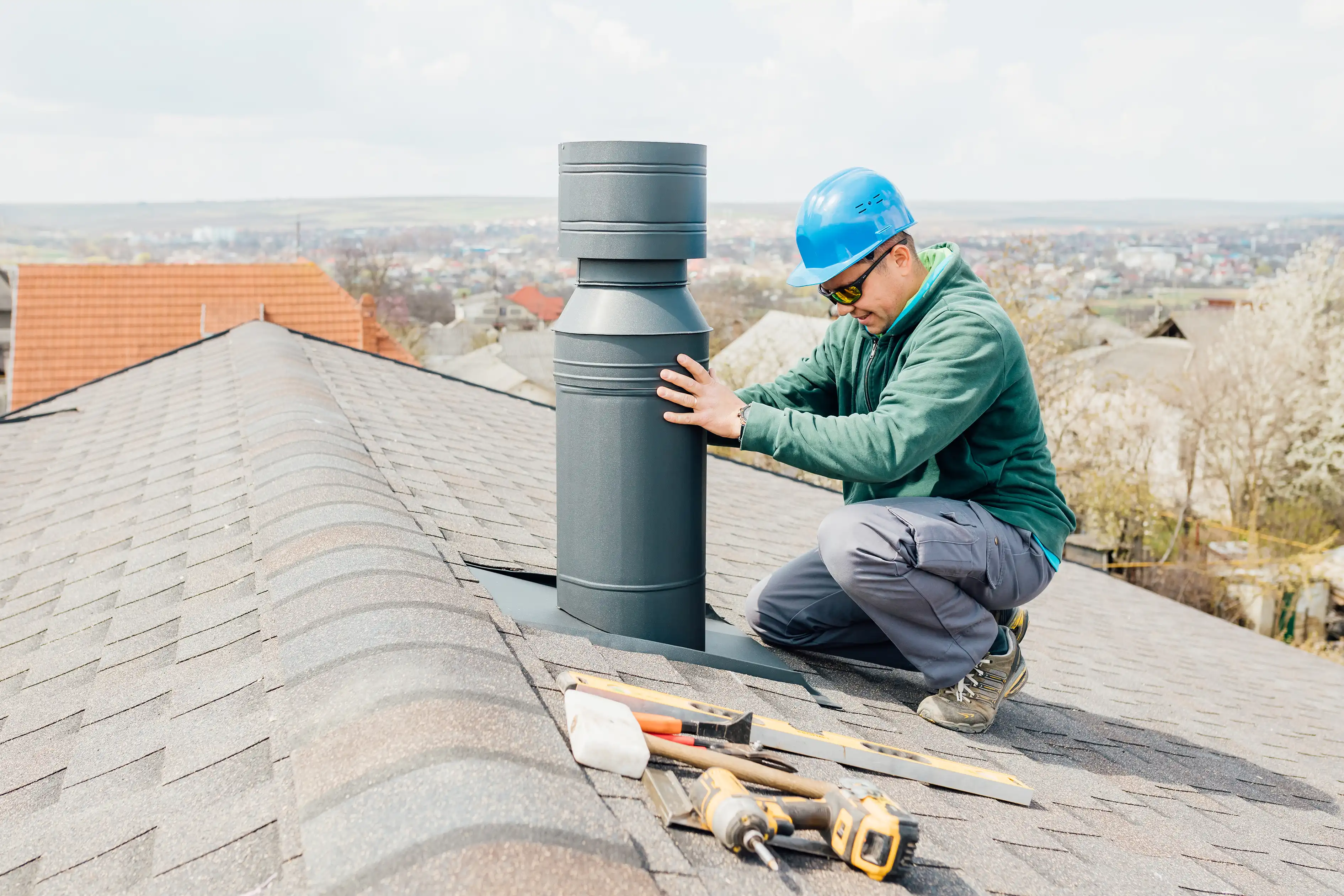
Renovating a period property in the UK can be an exciting project, but it"s important to approach it with care and consideration. These properties come with unique challenges and considerations, and i...
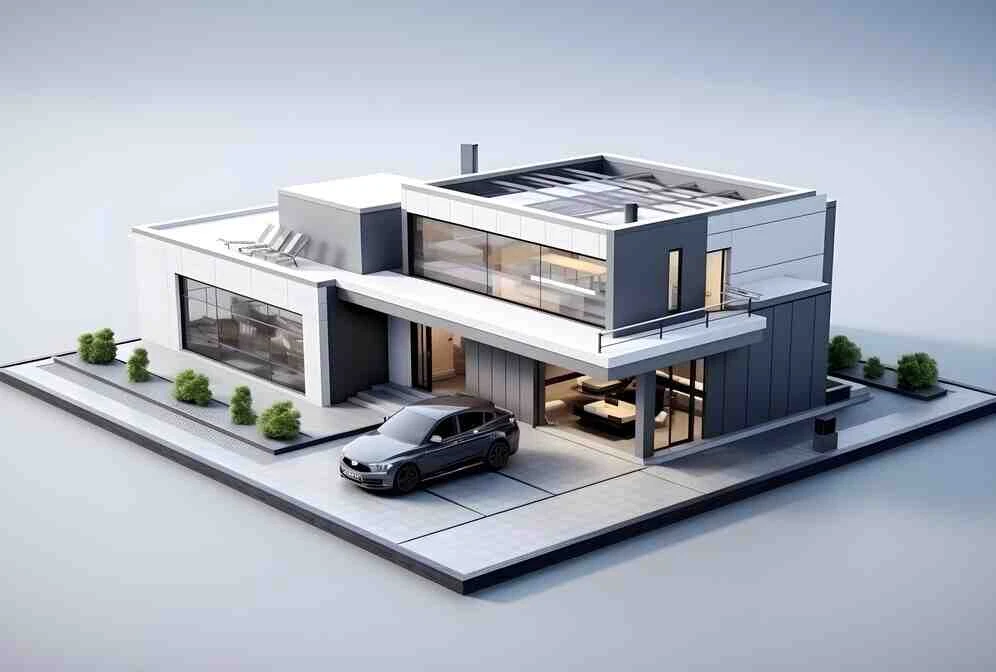
In the heart of the United Kingdom"s architectural landscape, a quiet revolution is underway. Architects across the country are increasingly turning to advanced 3D modeling and visualization technique...
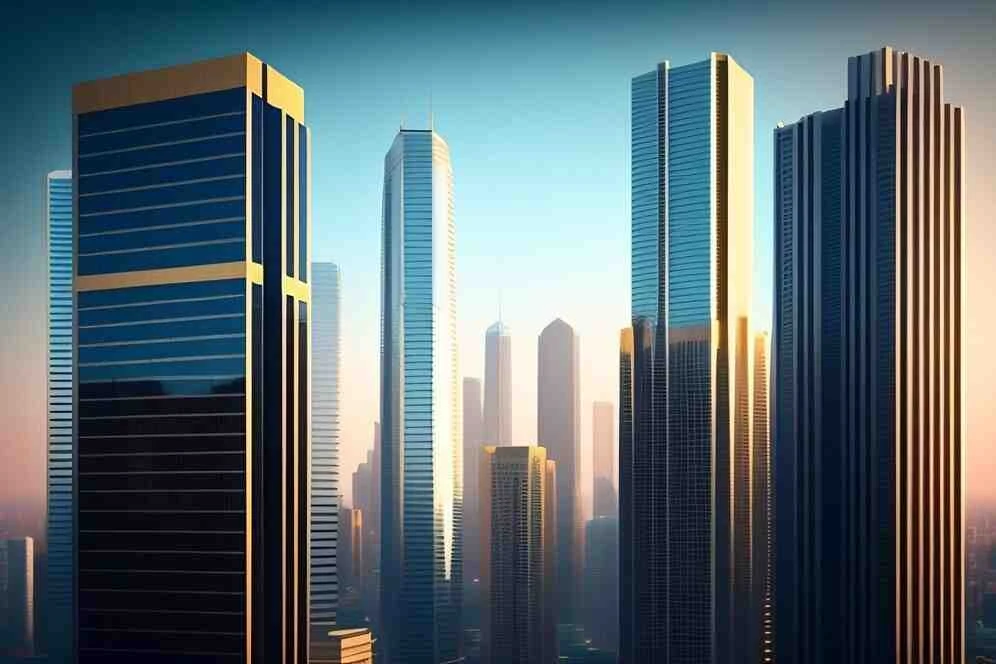
In the dynamic realm of architecture in the United Kingdom, a quiet revolution is reshaping the way buildings are conceived, designed, and brought to life. Building Information Modeling (BIM) has emer...
In the diverse tapestry of the United Kingdom"s architectural landscape, an often-overlooked but crucial element weaves through the fabric of building design: architectural acoustics. The ability to c...

In the dynamic landscape of architecture in the United Kingdom, architects are assuming increasingly multifaceted roles. Beyond their traditional responsibilities of design and aesthetics, they are st...
The United Kingdom"s urban landscape is a dynamic tapestry of historical charm and contemporary vitality. With urbanization on the rise and environmental concerns gaining momentum, architects in the U...
Sign up to start winning an unlimited amount of jobs near you.


 Electrician
Gas Engineer
Electrician
Gas Engineer


Send more enquiries and explore your options
Increasing the number of potentials leads for you!
Have more control and flexibility over your finances!