
These prices are based on national averages
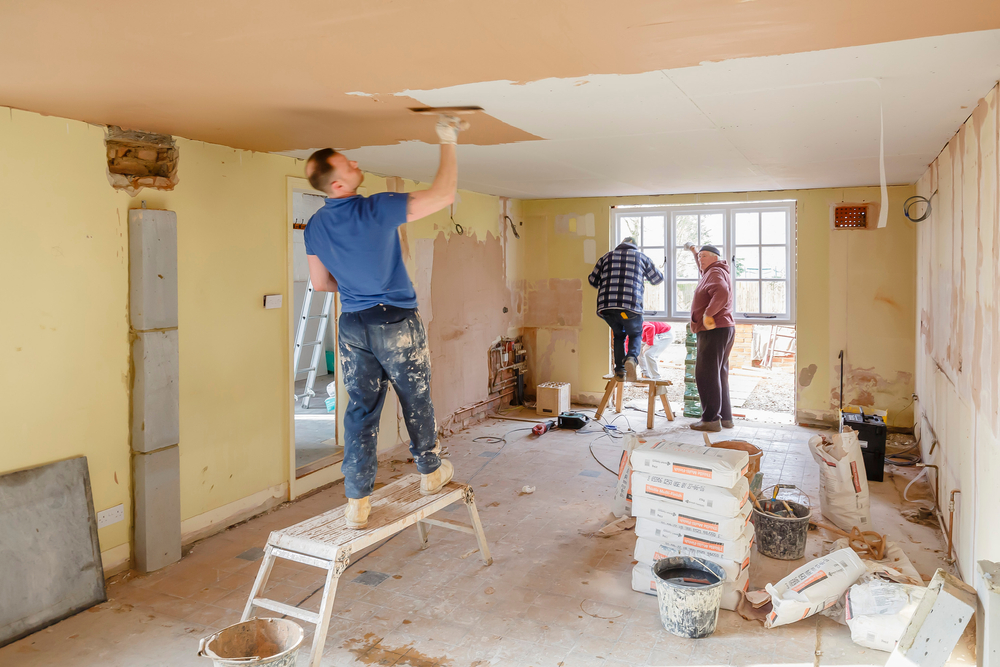
The cost for plasterboarding, also known as drywall installation, in the UK can vary depending on several factors such as the size of the area, the complexity of the job, and the materials used. Here’s a general overview to give you a clearer idea:
By obtaining detailed quotes and understanding the scope of work involved, you can budget effectively for plasterboarding your space.

Get answers here
The cost of plasterboarding can be influenced by several factors: Room Size: The larger the area to be plasterboarded, the more materials and labor will be required, which increases the overall cost. Type of Plasterboard: Different types of plasterboard (e.g., standard, moisture-resistant, fire-resistant) have varying costs. Specialized plasterboards will generally cost more. Wall Condition: If existing walls are uneven or damaged, additional preparation work may be needed, which can affect the cost. Access and Complexity: Areas that are difficult to access or have complex features (e.g., sloped ceilings, intricate shapes) may incur higher labor costs. Location: Costs can vary by region, with urban areas typically having higher rates compared to rural locations.
The time required to plasterboard a room depends on several factors: Room Size and Layout: Larger rooms or those with complex layouts may take longer to complete. Preparation Work: The amount of prep work needed, such as repairing existing walls or installing additional framing, can impact the timeline. Number of Installers: The number of skilled professionals working on the job can affect the duration. A larger team may complete the work faster. Drying Time: If joint compound or adhesive is used, drying times must be factored into the overall time frame.
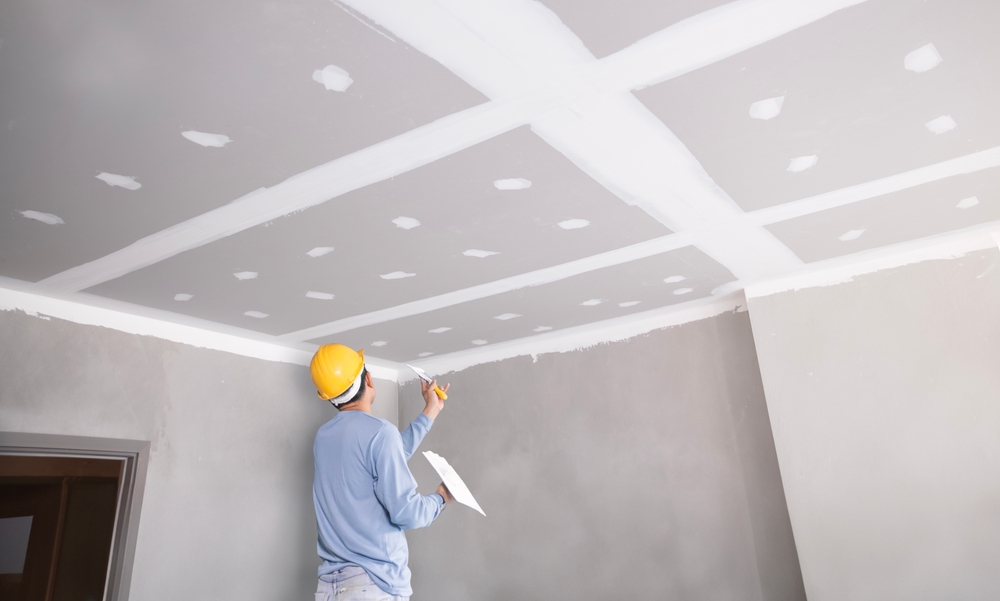
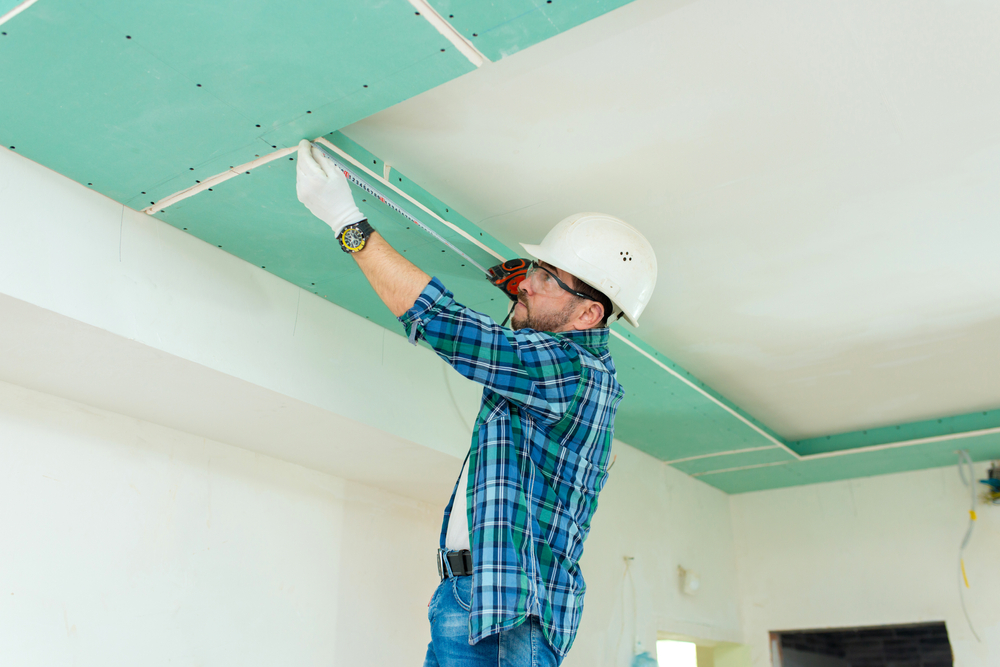
Proper preparation is essential for a successful plasterboarding project: Surface Cleaning: Ensure the walls are clean and free of dust, debris, and old materials. Repairing Existing Walls: Fix any damage or uneven areas on the existing walls before plasterboarding. Framing: Install necessary framing or battens to support the plasterboard. This is particularly important for non-load-bearing walls. Measuring and Cutting: Accurately measure and cut plasterboard sheets to fit the wall area. Proper fitting is crucial for a smooth finish.
Common issues with plasterboarding include: Misalignment: Incorrectly aligned plasterboard can lead to gaps and uneven surfaces. Proper measuring and installation techniques help prevent this. Visible Joints: Poor taping or finishing can result in visible joints or seams. Use quality joint compound and finishing techniques to achieve a smooth appearance. Moisture Damage: Plasterboard can be susceptible to moisture damage. Ensure proper ventilation and use moisture-resistant plasterboard in humid areas. Cracking: Cracking can occur if plasterboard is not properly secured or if the underlying structure shifts. Ensure adequate fastening and support.
Maintaining plasterboard walls is important for long-lasting results: Avoid Excessive Moisture: Keep the walls dry and address any leaks or humidity issues promptly to prevent damage. Regular Inspection: Check for signs of damage or wear and address any issues early to prevent further problems. Gentle Cleaning: Clean walls gently with a dry or slightly damp cloth to avoid damaging the surface or finish. Repair Promptly: Repair any dents, scratches, or cracks as soon as they occur to maintain the appearance and integrity of the walls.
Today is the day to build the home of your dreams or get that repair fixed. Share your project with local vetted tradespeople and begin the journey.


 Electrician
Gas Engineer
Electrician
Gas Engineer


Our tradespeople offer guarantees ranging from 1 to 12 months
We show your job to relevant tradespeople near you
Our feedback system ensures that tradespeople are rewarded.