
These prices are based on national averages
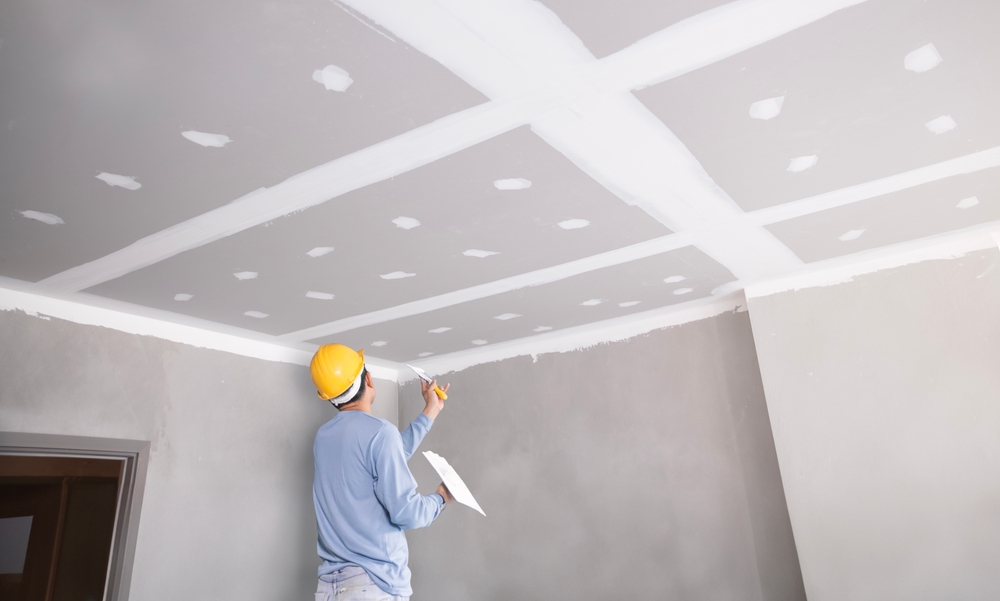
The cost to plaster a room in the UK typically ranges from $300 to $700, depending on the size of the room and the complexity of the job. Here’s a detailed breakdown to help you understand what influences the cost and what to expect:
Investing in professional plastering improves the appearance and longevity of your walls. By understanding the cost factors and consulting with a qualified plasterer, you can ensure a smooth and aesthetically pleasing finish for your room.

Get answers here
The cost of plastering a room can vary based on several factors: Room Size: Larger rooms require more materials and labor, increasing the overall cost. The size of the room is a key determinant in pricing. Type of Plaster: Different types of plaster, such as skim coat, bonding coat, or decorative plaster, come with varying costs. Special finishes or textures can also affect the price. Condition of the Walls: If the walls are in poor condition or require extensive preparation work (e.g., removing old plaster or repairing damage), this can add to the cost. Complexity of the Job: Intricate designs, custom textures, or additional features like cornices and archways can increase labor costs and material expenses. Location: Costs can vary by region, with urban areas generally having higher rates compared to rural locations.
The time required for plastering a room depends on several factors: Room Size and Complexity: Smaller, simpler rooms can be plastered in a few hours to a day, while larger or more complex rooms may take several days. Type of Plaster: Skim coating usually takes less time compared to applying multiple layers or custom finishes. Drying Time: After plastering, the plaster needs to dry before additional work can proceed. This can range from 24 to 48 hours, depending on the type of plaster and environmental conditions.
Before plastering, consider the following preparations: Clearing the Room: Remove furniture, fixtures, and other items from the room to provide unobstructed access for the plastering work. Wall Preparation: Ensure walls are clean, dry, and free of loose materials. Repair any damage or holes and remove old wallpaper or paint as necessary. Protecting Surfaces: Cover floors, windows, and any remaining fixtures with protective sheeting or drop cloths to prevent plaster from causing damage.
Plastering offers several advantages: Improved Aesthetics: Plaster provides a smooth, clean surface that enhances the appearance of walls and ceilings, allowing for a more polished look. Durability: Well-applied plaster can be long-lasting and resistant to damage compared to some alternative wall treatments. Enhanced Insulation: Plaster can contribute to better thermal and acoustic insulation, improving the overall comfort of the room. Preparation for Painting: A plastered surface provides an excellent base for painting, ensuring a high-quality finish and better paint adhesion.
Potential issues during plastering include: Cracking: Cracks can develop if the plaster dries too quickly or is applied too thickly. Proper application and drying techniques can help mitigate this issue. Uneven Surfaces: Inconsistent plastering techniques or poor preparation can lead to uneven surfaces. Ensuring a skilled application can prevent this problem. Adhesion Problems: Poor adhesion of plaster to the wall surface can occur if the wall is not properly prepared. Surface preparation is crucial to avoid this issue. Moisture Issues: Plastering over damp walls can lead to issues with plaster adhesion and finish. Ensuring walls are dry before plastering is essential.
Today is the day to build the home of your dreams or get that repair fixed. Share your project with local vetted tradespeople and begin the journey.


 Electrician
Gas Engineer
Electrician
Gas Engineer


Our tradespeople offer guarantees ranging from 1 to 12 months
We show your job to relevant tradespeople near you
Our feedback system ensures that tradespeople are rewarded.