

Importance of Workplace Safety Training
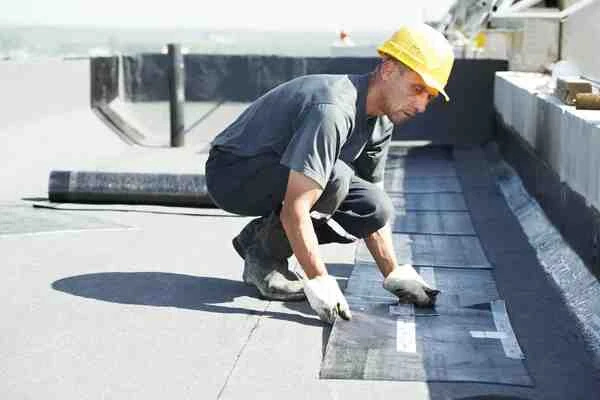
1. Hazard Recognition: Roofline technicians often work at significant heights and are exposed to various risks, such as falls, electrical hazards, and weather-related dangers. Safety training equips them with the skills to identify potential hazards before accidents occur.
2. Injury Prevention: Training provides technicians with the knowledge and tools needed to prevent accidents and injuries. Safety protocols, procedures, and the proper use of personal protective equipment (PPE) are emphasized, reducing the risk of accidents.
3. Legal Compliance: Many countries have strict regulations governing workplace safety. Complying with these regulations not only ensures the well-being of employees but also protects employers from legal liabilities and costly fines.
4. Productivity: A safer work environment leads to greater efficiency. When technicians are confident in their knowledge and skills, they can focus on their tasks without unnecessary distractions or fear of injury.
5. Reputation: A company known for prioritizing the safety of its employees is more likely to attract and retain skilled technicians. A good safety record also enhances a company"s reputation within the industry and with clients.
Key Aspects of Workplace Safety Training for Roofline Technicians
1. Fall Prevention and Protection:
Given the elevated nature of their work, fall protection is paramount. Training should include:
- Proper use of personal fall arrest systems (PFAS).
- How to set up and use guardrails and safety nets.
- Inspection of ladders and scaffolding.
- Fall hazard recognition and avoidance.
2. Material Handling:
Technicians often deal with heavy and cumbersome materials. Training should cover:
- Safe lifting techniques.
- Proper use of material-handling equipment, such as cranes or hoists.
- Strategies to avoid overexertion and back injuries.
3. Weather-related Safety:
Roofline technicians are exposed to the elements, which can pose various hazards. Training should address:
- How to recognize and respond to extreme weather conditions.
- Safe practices for working in wet, icy, or windy conditions.
4. Electrical Safety:
Roofline technicians may encounter electrical systems when working on roof installations or repairs. Training should include:
- How to identify live electrical wires and systems.
- Safe working distances from electrical sources.
- Proper grounding and bonding practices.
5. Personal Protective Equipment (PPE):
Understanding the importance of PPE is vital. Technicians should be trained on:
- Selection, proper use, and maintenance of PPE, such as helmets, gloves, safety glasses, and fall protection gear.
- The importance of wearing PPE consistently.
6. Emergency Procedures:
In the event of an accident or emergency, technicians should be trained on:
- Immediate response actions, including first aid and CPR.
- How to report incidents and initiate emergency procedures.
- Evacuation protocols and assembly points.
7. Job-Specific Training:
Different roofing projects may have unique safety requirements. Tailor training to the specific tasks and hazards technicians will encounter on the job.
8. Regular Refresher Training:
Safety protocols and technologies evolve, and it"s essential to ensure that technicians stay current with safety best practices. Regular refresher training sessions can help reinforce safety knowledge.
Conclusion
Workplace safety training is a critical component of a roofline technician"s job. It not only safeguards the health and well-being of technicians but also enhances the overall productivity and reputation of roofing companies. By providing comprehensive and up-to-date safety training, employers can ensure that their technicians are well-prepared to tackle the challenges and hazards of their work, making the roofing industry a safer and more attractive field for skilled professionals.

Architects play a pivotal role in designing buildings that are not only aesthetically pleasing but also safe and functional. One of the crucial aspects of architectural design is ensuring compliance w...
In the realm of architectural design, aesthetics, and functionality often take center stage. However, a paramount concern that should never be overlooked is safety. The safety of occupants and users i...

Explore the delicate balance between sustainability innovation and safety regulations in architectural design. Discover how architects create eco-friendly yet safe spaces.
Discover the latest seismic safety innovations for architects in the UK. Stay informed to design resilient structures in low-seismic-risk regions.
Explore fire safety in UK architecture. Learn about codes, fire-resistant materials, and design strategies to protect lives and property in architectural projects.

Discover the importance of designing inclusively in architecture. Learn how to meet the unique needs of disabled individuals and create accessible spaces for all.
Sign up to start winning an unlimited amount of jobs near you.


 Electrician
Gas Engineer
Electrician
Gas Engineer


Send more enquiries and explore your options
Increasing the number of potentials leads for you!
Have more control and flexibility over your finances!