


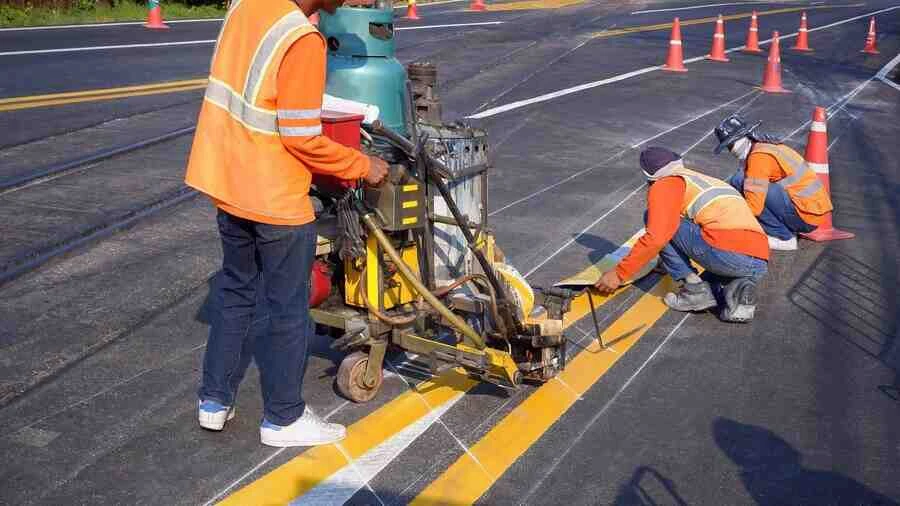
The Importance of Workplace Safety Training
1. Injury Prevention: Safety training helps workers identify potential hazards and learn how to prevent accidents, thereby reducing the risk of injuries.
2. Regulatory Compliance: Adherence to safety regulations is not just a best practice but also a legal requirement. Proper training ensures that your paving crew remains compliant with local, state, and federal safety guidelines.
3. Improved Productivity: A well-trained crew is more likely to work efficiently and minimize downtime due to injuries or accidents.
4. Enhanced Team Morale: Workers who feel safe on the job tend to be more engaged and have higher job satisfaction.
5. Cost Savings: Preventing accidents and injuries through training can result in significant cost savings associated with medical bills, workers" compensation claims, and project delays.
Key Components of Workplace Safety Training
1. Hazard Recognition: Workers should be trained to identify potential hazards specific to paving projects, such as heavy machinery, hot asphalt, and changing road conditions.
2. Proper Equipment Use: Familiarizing workers with the correct use of machinery, tools, and personal protective equipment (PPE) is crucial to avoid accidents.
3. Emergency Procedures: Paving crews should be well-versed in emergency response procedures, including how to handle spills, fires, and medical emergencies.
4. Safe Material Handling: Training should cover the safe handling of materials, especially if the project involves hazardous substances like asphalt or chemicals.
5. Environmental Considerations: Paving projects often impact the environment. Training should address how to minimize environmental impacts, such as preventing runoff and contamination.
6. Traffic Control and Safety: When working near roadways, crews must know how to manage traffic and protect themselves from passing vehicles.
7. Communication and Coordination: Proper communication and coordination are essential for the safety of all crew members. Training should emphasize teamwork and the importance of clear communication.
8. Health and Hygiene: Crew members should be informed about potential health hazards in paving work, such as exposure to fumes and the importance of personal hygiene.
9. Ongoing Training: Safety training should be an ongoing process. Regular refreshers and updates keep workers informed about evolving safety regulations and best practices.
10. Reporting Protocols: Workers must understand how to report safety concerns, near misses, and accidents, so that issues can be addressed promptly.
Conclusion
Workplace safety training for paving crews is an investment that pays off in terms of worker safety, regulatory compliance, and project efficiency. By implementing a comprehensive safety training program, paving companies can create a work environment where employees are well-prepared to handle the unique challenges and hazards of the industry. The result is not only a safer, more productive crew but also projects completed with the highest level of quality and efficiency.

Architects play a pivotal role in designing buildings that are not only aesthetically pleasing but also safe and functional. One of the crucial aspects of architectural design is ensuring compliance w...

In the realm of architectural design, aesthetics, and functionality often take center stage. However, a paramount concern that should never be overlooked is safety. The safety of occupants and users i...

Explore the delicate balance between sustainability innovation and safety regulations in architectural design. Discover how architects create eco-friendly yet safe spaces.

Discover the latest seismic safety innovations for architects in the UK. Stay informed to design resilient structures in low-seismic-risk regions.
Explore fire safety in UK architecture. Learn about codes, fire-resistant materials, and design strategies to protect lives and property in architectural projects.

Discover the importance of designing inclusively in architecture. Learn how to meet the unique needs of disabled individuals and create accessible spaces for all.
Sign up to start winning an unlimited amount of jobs near you.


 Electrician
Gas Engineer
Electrician
Gas Engineer


Send more enquiries and explore your options
Increasing the number of potentials leads for you!
Have more control and flexibility over your finances!