


The Role of Fireplace Engineers
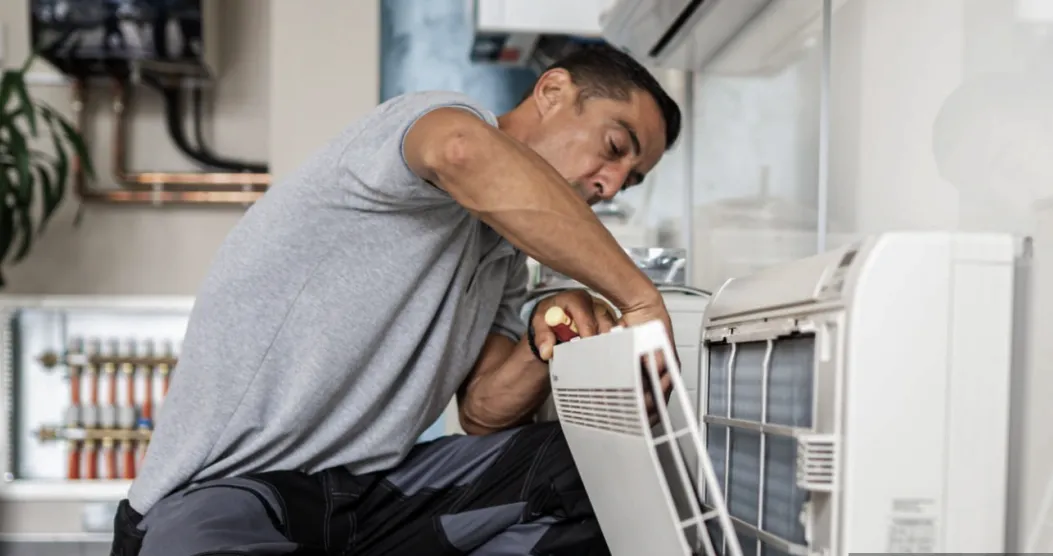
Before we dive into the specifics of workplace safety training, it"s important to understand the pivotal role that fireplace engineers play. Fireplace engineers are responsible for designing, constructing, and maintaining fireplaces, chimneys, and heating appliances. Whether it"s a traditional wood-burning hearth or a modern gas fireplace, these professionals ensure that the installations are not only aesthetically pleasing but also safe for homeowners.
The Importance of Workplace Safety Training
Fire Safety Protocols
Fireplace engineers deal with, quite literally, controlled fire. Safety is paramount, as even a minor oversight can lead to devastating consequences. Workplace safety training equips engineers with the knowledge of fire safety protocols, helping them prevent fires, manage potential risks, and protect themselves and their clients.
Hazard Identification
Safety training ensures that fireplace engineers are well-versed in identifying potential hazards. This includes recognizing faulty equipment, flammable materials, and other risks that could lead to accidents or fires. By knowing how to spot these hazards, engineers can take corrective actions promptly, minimizing the chance of accidents.
Safe Installation and Maintenance
One of the key responsibilities of fireplace engineers is the installation and maintenance of heating appliances. Proper training ensures they are well-prepared to handle these tasks safely. They understand how to work with different types of fireplaces, fuels, and venting systems while adhering to industry standards. This knowledge ensures that the systems they install or maintain operate efficiently and safely.
Regulatory Compliance
Workplace safety training educates fireplace engineers about the relevant regulations and codes that govern their work. This knowledge is essential to ensure compliance with local, state, and federal laws. It"s not just about building safe fireplaces but also about doing so within the legal framework.
Protective Gear and Equipment
Fireplace engineers often work in challenging environments, which might include cramped spaces, heights, and exposure to extreme temperatures. Safety training helps them understand the importance of using appropriate protective gear and equipment, such as safety harnesses, gloves, and goggles, to ensure their well-being while on the job.
Emergency Response
Even with all safety precautions in place, accidents can still happen. Workplace safety training teaches fireplace engineers how to respond to emergencies effectively. This includes fire extinguisher operation, first aid, and evacuation procedures. Being prepared for the unexpected can save lives and property.
Client Education
In addition to their own safety, fireplace engineers must educate clients on the safe and proper use of their fireplaces. Workplace safety training equips engineers with the communication skills and knowledge necessary to teach homeowners about best practices, including fireplace operation and maintenance.
Best Practices in Workplace Safety Training
Now that we understand the importance of workplace safety training for fireplace engineers, let"s explore some best practices in implementing these programs.
Comprehensive Curriculum
Safety training should cover a wide range of topics, from the fundamentals of fire safety to the specifics of fireplace design and installation. A well-rounded curriculum ensures that engineers are prepared for any situation they might encounter in their profession.
Hands-On Training
Theoretical knowledge is essential, but hands-on training is equally important. Fireplace engineers should have opportunities to apply what they"ve learned in real-world scenarios under the guidance of experienced mentors.
Continuous Education
The field of fireplace engineering is ever-evolving, with new technologies and safety standards emerging regularly. Workplace safety training should be an ongoing process, ensuring that engineers stay up-to-date with the latest developments in the industry.
Regular Assessments
Periodic assessments and evaluations are crucial to ensuring that engineers have absorbed and retained the safety training. These assessments can identify areas where additional training or support may be necessary.
Mentorship Programs
Pairing novice engineers with experienced mentors can help bridge the gap between theory and practice. Mentorship programs offer invaluable insights and hands-on experience that new engineers can benefit from.
Conclusion
Workplace safety training for fireplace engineers is not just a matter of compliance; it"s a matter of life and property protection. As the custodians of warmth and comfort, these professionals bear a significant responsibility. Through comprehensive training, they are equipped to ensure the safety of homeowners and themselves while working with one of the most captivating elements known to humanity: fire.
The cozy atmosphere of a fireplace may be timeless, but the methods and technologies behind it continue to evolve. Fireplace engineers, armed with safety training and a passion for their craft, keep the tradition alive, making homes safer and more inviting, one fire at a time. So, the next time you cozy up by your fireplace, take a moment to appreciate the dedication and expertise of those who make your moments of warmth possible.

Architects play a pivotal role in designing buildings that are not only aesthetically pleasing but also safe and functional. One of the crucial aspects of architectural design is ensuring compliance w...

In the realm of architectural design, aesthetics, and functionality often take center stage. However, a paramount concern that should never be overlooked is safety. The safety of occupants and users i...

Explore the delicate balance between sustainability innovation and safety regulations in architectural design. Discover how architects create eco-friendly yet safe spaces.
Discover the latest seismic safety innovations for architects in the UK. Stay informed to design resilient structures in low-seismic-risk regions.
Explore fire safety in UK architecture. Learn about codes, fire-resistant materials, and design strategies to protect lives and property in architectural projects.

Discover the importance of designing inclusively in architecture. Learn how to meet the unique needs of disabled individuals and create accessible spaces for all.
Sign up to start winning an unlimited amount of jobs near you.


 Electrician
Gas Engineer
Electrician
Gas Engineer


Send more enquiries and explore your options
Increasing the number of potentials leads for you!
Have more control and flexibility over your finances!