

The Significance of Workplace Safety
Safety is a crucial aspect of any profession, and conservatory installation is no exception. In this line of work, there are multiple potential hazards that, if not properly addressed, can lead to accidents, injuries, or even fatalities. Understanding the significance of workplace safety is the first step in ensuring the well-being of conservatory installers.
1. Height-related Risks
Conservatory installation often involves working at heights, such as when fitting glass panels or roof materials. Falls from such heights can result in severe injuries or even death. This underscores the need for comprehensive safety measures, including fall protection systems and training.
2. Glass Handling
Glass is a fundamental component of conservatories, but it can be a major hazard if not handled with care. Broken glass can cause cuts, and improper lifting techniques can lead to muscle strains and back injuries. Proper training can minimize these risks.
3. Tool and Equipment Safety
Conservatory installers rely on various tools and equipment to carry out their work. Malfunctioning or improperly maintained tools can lead to accidents. Thorough training on equipment safety can mitigate these risks.
4. Weather-related Challenges
Installers are often exposed to the elements during construction, making them vulnerable to weather-related issues like heat exhaustion, frostbite, or slipping on wet surfaces. Adequate training helps workers understand how to protect themselves from these environmental risks.
Workplace Safety Training: A Comprehensive Approach
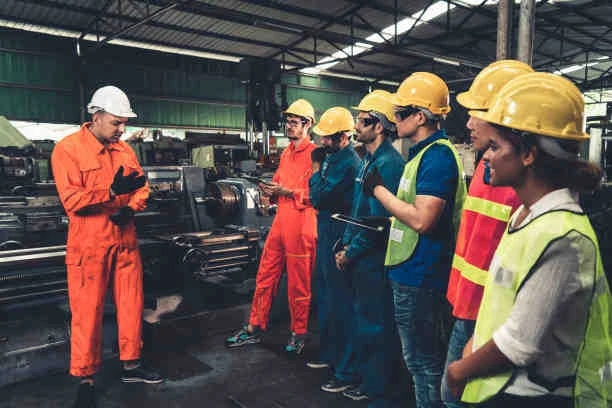
Ensuring the safety of conservatory installers demands a comprehensive training program that covers all aspects of the job. Here are the key components that should be included in such a training regimen:
1. Risk Assessment
The first step in any safety training program is recognizing potential risks. Conservatory installers should be trained to identify hazards and assess the risks associated with each task.
2. Proper Use of Tools and Equipment
Training should focus on the correct use and maintenance of tools and equipment. Installers should be well-versed in safety protocols for power tools, ladders, scaffolding, and more.
3. Fall Protection
Working at heights is a significant part of conservatory installation. Training in fall protection systems, including the proper use of harnesses and safety nets, is essential.
4. Glass Handling
Installers should learn how to handle glass safely, including techniques for carrying, cutting, and securing it during installation.
5. Weather Safety
Conservatory installers should receive training on how to protect themselves from extreme weather conditions, including hot and cold temperatures, rain, and wind.
6. Emergency Response
In the event of an accident or injury, installers must know how to respond promptly and appropriately. Training should cover basic first aid, CPR, and how to use emergency equipment like fire extinguishers.
7. Personal Protective Equipment (PPE)
Proper training should emphasize the use of personal protective equipment, such as safety helmets, gloves, and goggles, to minimize the risk of injury.
Benefits of Workplace Safety Training
The advantages of investing in comprehensive workplace safety training for conservatory installers cannot be overstated. Here are some key benefits:
1. Reduced Accidents
Safety training reduces the likelihood of accidents, resulting in fewer injuries and less downtime due to accidents.
2. Enhanced Job Satisfaction
Employees who feel safe and well-prepared for their work are generally more satisfied with their jobs, which can lead to increased productivity.
3. Compliance with Regulations
Following safety training regulations is not just about protecting workers but also about complying with legal requirements. This can help businesses avoid costly fines and legal issues.
4. Improved Reputation
A company that prioritizes the safety of its employees is likely to build a positive reputation. This can lead to more business opportunities and customer trust.
5. Lower Insurance Costs
Fewer accidents and injuries can lead to lower insurance premiums, reducing operational expenses.
The Role of Employers
Employers play a critical role in ensuring that their conservatory installers receive the training they need to work safely. Here"s what employers can do:
1. Invest in Training
Allocate the necessary resources to provide high-quality safety training programs. These programs should be ongoing to keep employees up-to-date on safety practices.
2. Promote a Culture of Safety
Foster a culture of safety within the organization, where employees at all levels are encouraged to prioritize safety in their daily tasks.
3. Provide Necessary Equipment
Ensure that employees have access to the appropriate safety equipment and that it is regularly maintained.
4. Monitor and Evaluate
Regularly assess the effectiveness of safety training programs and make adjustments as needed to address any deficiencies.
5. Encourage Reporting
Create an environment where employees feel comfortable reporting safety concerns or near-misses without fear of reprisal.
Conclusion
Workplace safety training for conservatory installers is a vital aspect of the industry that should never be overlooked. The risks associated with this profession are real, but with proper training and a commitment to safety, accidents can be significantly reduced. Employers, employees, and industry stakeholders must work together to ensure that conservatory installers have the knowledge and tools they need to carry out their work safely. By doing so, we can create a safer and more enjoyable working environment for those who bring the beauty of conservatories to life. Remember, safety is not an option; it"s a responsibility.

Architects play a pivotal role in designing buildings that are not only aesthetically pleasing but also safe and functional. One of the crucial aspects of architectural design is ensuring compliance w...
In the realm of architectural design, aesthetics, and functionality often take center stage. However, a paramount concern that should never be overlooked is safety. The safety of occupants and users i...

Explore the delicate balance between sustainability innovation and safety regulations in architectural design. Discover how architects create eco-friendly yet safe spaces.
Discover the latest seismic safety innovations for architects in the UK. Stay informed to design resilient structures in low-seismic-risk regions.
Explore fire safety in UK architecture. Learn about codes, fire-resistant materials, and design strategies to protect lives and property in architectural projects.

Discover the importance of designing inclusively in architecture. Learn how to meet the unique needs of disabled individuals and create accessible spaces for all.
Sign up to start winning an unlimited amount of jobs near you.


 Electrician
Gas Engineer
Electrician
Gas Engineer


Send more enquiries and explore your options
Increasing the number of potentials leads for you!
Have more control and flexibility over your finances!