

Types of Fireplaces
Before delving into the installation process, it"s important to consider the type of fireplace that best suits your needs and style. There are several options to choose from:
Wood-Burning Fireplaces: These classic fireplaces are the epitome of traditional charm. They burn real wood, providing that authentic crackling sound and radiant heat. They require a functional chimney or venting system to expel smoke and need regular maintenance.
Gas Fireplaces: Gas fireplaces are a convenient and efficient alternative to wood-burning fireplaces. They run on natural gas or propane and provide immediate heat at the push of a button. Venting options include direct vent, vent-free, and B-vent, offering flexibility in installation.
Electric Fireplaces: Electric fireplaces are the easiest to install and require no venting. They offer the ambiance of a real fire without the maintenance. They"re a popular choice for apartments and homes without chimneys.
Ethanol Fireplaces: Ethanol fireplaces burn bioethanol fuel, producing a clean and smoke-free flame. They come in various contemporary designs and are suitable for both indoor and outdoor use.
Safety Considerations
Fireplace installation is not only about aesthetics and comfort but also about safety. Before starting the installation process, here are some key safety considerations:
Local Building Codes: Research your local building codes and regulations regarding fireplace installations. Compliance with these regulations is crucial to ensure safety and avoid potential legal issues.
Professional Installation: Always hire a licensed and experienced professional for fireplace installation. They will have the expertise to handle the technical aspects of the installation and ensure it"s done correctly.
Proper Ventilation: Adequate ventilation is essential to prevent carbon monoxide buildup and ensure proper combustion. Make sure your fireplace has the right venting system and that it"s installed correctly.
Fireplace Placement: Choose an appropriate location for your fireplace. Keep it away from flammable materials, and ensure it"s not obstructed by furniture or curtains. Proper placement minimizes the risk of accidents.
Clearance Requirements: Be aware of the manufacturer"s recommended clearance requirements for your specific fireplace type. These requirements ensure that the area around the fireplace is safe from overheating.
The Fireplace Installation Process
Now that we"ve covered the safety aspects, let"s delve into the fireplace installation process, step by step:
Select the Fireplace Type: Determine the type of fireplace that best suits your needs and space. This choice will influence the rest of the installation process.
Site Evaluation: A professional installer will visit your home to evaluate the site where the fireplace will be installed. They will ensure that the location complies with safety and clearance requirements and that there is proper ventilation.
Chimney or Venting System: If you opt for a wood-burning or gas fireplace that requires venting, the next step is to install or inspect the chimney or venting system. It must be in good condition and meet the requirements of the chosen fireplace type.
Fireplace Framing and Support: The installation team will frame the fireplace, creating the necessary structure to support it. This may involve constructing a hearth, framing the wall, or building an enclosure for the fireplace.
Gas and Electrical Connections: For gas and electric fireplaces, the necessary gas and electrical connections will be made. Gas lines are carefully installed to ensure there are no leaks, and electrical connections are made to power the fireplace.
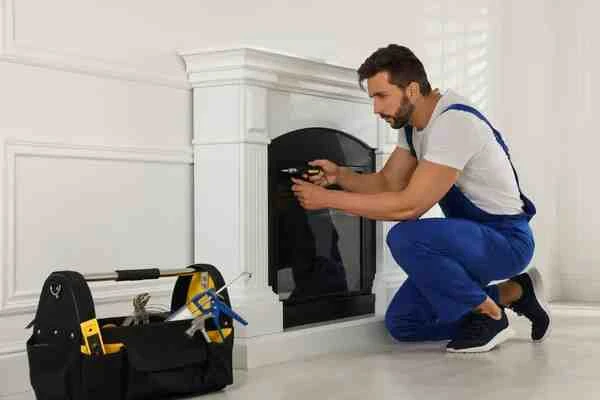
Fireplace Insert Installation: The actual fireplace unit, whether it"s a wood-burning insert, gas insert, or electric unit, is then installed into the prepared space. Care is taken to ensure it"s level, secure, and properly connected to the venting system.
Fireplace Surround and Mantel: The aesthetics of the fireplace are addressed next. Surrounds, mantels, and finishes are added to give the fireplace the desired look that complements your home"s decor.
Testing and Inspection: After installation, the fireplace is thoroughly tested to ensure it operates correctly and safely. This includes checking for proper ignition, combustion, and venting. An inspection by a certified technician is essential to verify compliance with safety standards.
Final Touches: Once the fireplace passes all inspections and tests, the finishing touches, such as painting or staining the mantel, are added. Your fireplace is then ready to be enjoyed.
Conclusion
A fireplace can transform your living space into a warm and inviting sanctuary. Whether you prefer the rustic charm of a wood-burning fireplace, the convenience of a gas unit, or the simplicity of an electric model, understanding the fireplace installation process is key to making your home cozier and safer. Remember that safety is paramount, and professional installation is essential to ensure your fireplace provides both comfort and peace of mind. By considering the type of fireplace that suits your needs and carefully following the installation steps, you can soon be enjoying the timeless appeal of a crackling fire in your own home.
Your home is not just a place to live; it"s an expression of your personality and style. One of the most exciting aspects of homeownership is choosing the architectural style that best reflects your t...

Selecting the right architect is a pivotal step in ensuring the success of your construction project, whether it"s a commercial venture or a home improvement project. Architects play a crucial role in...

Architectural design is a complex and creative process that transforms ideas and concepts into tangible structures that shape our built environment. Whether it"s a stunning skyscraper, a sustainable h...

Embarking on an architectural project, whether it"s designing your dream home, renovating a commercial space, or constructing a public building, demands meticulous financial planning. Budgeting is a c...
In an era where environmental concerns are at the forefront of our global consciousness, the concept of sustainable architecture has gained significant traction. Sustainable architecture, often referr...
Embarking on a home improvement project can be an exciting but challenging endeavor. When it comes to significant changes, two primary options often come to mind: renovating your existing home or buil...
Sign up to start winning an unlimited amount of jobs near you.


 Electrician
Gas Engineer
Electrician
Gas Engineer


Send more enquiries and explore your options
Increasing the number of potentials leads for you!
Have more control and flexibility over your finances!