


**1. LED Lighting:**
One of the simplest and most effective ways to enhance energy efficiency in your home is to switch to LED lighting. LEDs use significantly less energy than traditional incandescent bulbs and last much longer. Installing LED light fixtures and using smart lighting controls can further optimize energy use by allowing you to adjust brightness and schedules according to your needs.
**2. Smart Home Technology:**
Integrating smart home technology into your electrical system can provide an efficient way to manage energy consumption. Smart thermostats, for example, can help regulate heating and cooling systems to minimize energy waste. Additionally, smart plugs and switches allow you to remotely control and monitor energy use for various appliances and devices.
**3. Energy-Efficient Appliances:**
When replacing or upgrading your appliances, opt for Energy Star-rated models. These appliances are designed to consume less energy while maintaining high performance. From refrigerators to washing machines, energy-efficient appliances can make a substantial difference in your overall energy consumption.
**4. Solar Panels:**
Harnessing the power of the sun through solar panels is a sustainable and cost-effective way to generate electricity. Solar panels can significantly reduce your reliance on grid-based energy, making your home more energy-efficient and environmentally friendly. Excess energy generated by solar panels can even be fed back into the grid, potentially saving you money on your utility bills.
**5. Proper Insulation and Sealing:**
A well-insulated and sealed home is essential for maintaining an energy-efficient environment. Proper insulation ensures that the heat or cool air generated by your electrical systems stays inside, reducing the workload on your heating and cooling systems. This means your electrical systems won"t have to work as hard to maintain a comfortable temperature, saving you energy and money.
**6. Energy-Efficient Heating and Cooling Systems:**
Choosing energy-efficient heating and cooling systems, such as heat pumps or geothermal systems, can lead to significant energy savings. Properly maintained systems also help ensure they operate at peak efficiency. Regular servicing and maintenance can prevent energy loss due to wear and tear.
**7. Energy-Efficient Wiring and Outlets:**
The use of energy-efficient electrical wiring and outlets can reduce energy loss and ensure a more efficient distribution of electricity throughout your home. Copper wiring is more efficient than aluminum wiring, and using electrical outlets with energy-saving features can help reduce standby power consumption.
**8. Proper Electrical System Design:**
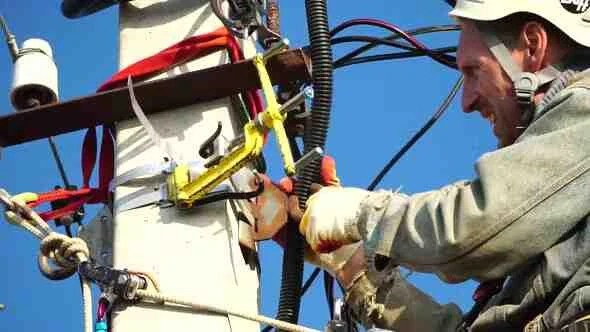
The design of your electrical system plays a critical role in energy efficiency. Proper circuit design, placement of outlets, and load balancing are essential for ensuring that electricity is distributed efficiently and without unnecessary loss. Consulting with a professional electrician during the design and installation phase can help you create a system optimized for energy efficiency.
**9. Regular Maintenance and Upgrades:**
Maintaining your electrical systems is vital for ensuring long-term energy efficiency. Regular inspections, repairs, and upgrades help identify and resolve issues that may lead to energy waste. Upgrading your electrical system to meet the latest energy-efficient standards can have a significant impact on your overall energy consumption.
**10. Energy Monitoring and Analysis:**
Installing an energy monitoring system can help you track your energy consumption and identify areas where improvements can be made. This data can guide your efforts to create a more energy-efficient home and reduce energy waste.
In conclusion, creating energy-efficient homes with proper electrical systems is not just about saving money but also about making a positive impact on the environment. By integrating energy-efficient lighting, appliances, and electrical technologies, and by maintaining and optimizing your electrical systems, you can reduce energy consumption, lower your carbon footprint, and enjoy a more comfortable and sustainable living space. Investing in energy efficiency is an investment in both your future and the planet"s well-being.
Your home is not just a place to live; it"s an expression of your personality and style. One of the most exciting aspects of homeownership is choosing the architectural style that best reflects your t...

Selecting the right architect is a pivotal step in ensuring the success of your construction project, whether it"s a commercial venture or a home improvement project. Architects play a crucial role in...

Architectural design is a complex and creative process that transforms ideas and concepts into tangible structures that shape our built environment. Whether it"s a stunning skyscraper, a sustainable h...

Embarking on an architectural project, whether it"s designing your dream home, renovating a commercial space, or constructing a public building, demands meticulous financial planning. Budgeting is a c...
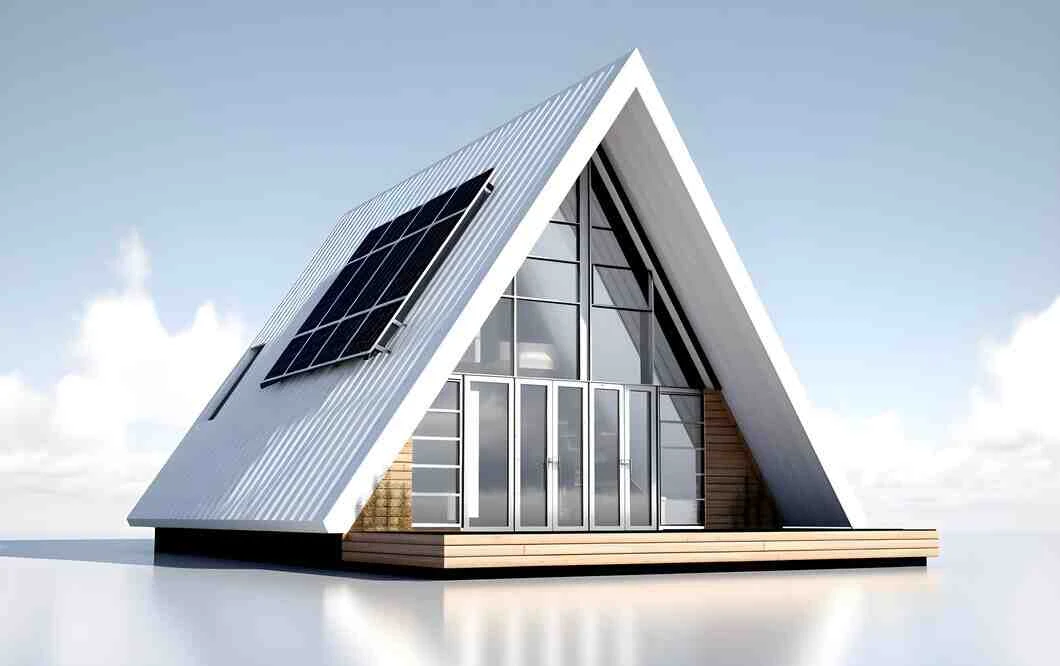
In an era where environmental concerns are at the forefront of our global consciousness, the concept of sustainable architecture has gained significant traction. Sustainable architecture, often referr...
Embarking on a home improvement project can be an exciting but challenging endeavor. When it comes to significant changes, two primary options often come to mind: renovating your existing home or buil...
Sign up to start winning an unlimited amount of jobs near you.


 Electrician
Gas Engineer
Electrician
Gas Engineer


Send more enquiries and explore your options
Increasing the number of potentials leads for you!
Have more control and flexibility over your finances!