


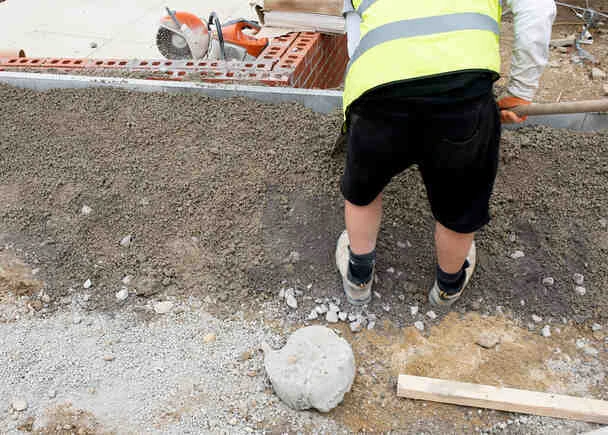
## 1. Site Assessment for Sustainable Practices:
- Eco-Friendly Design: Start with an eco-friendly design that considers the natural features of the site. Position structures to maximize natural light, reduce energy consumption, and integrate with the landscape.
- Sustainable Drainage: Incorporate sustainable drainage practices, such as permeable pavements and rain gardens, to manage stormwater naturally and prevent soil erosion.
## 2. Soil Management and Preservation:
- Minimal Disturbance: Minimize soil disturbance during excavation by employing precision techniques and technologies. This reduces the need for extensive regrading and preserves the natural soil structure.
- Topsoil Preservation: Prioritize the preservation of topsoil during excavation. Topsoil contains vital nutrients and microorganisms that support healthy vegetation.
## 3. Energy-Efficient Equipment and Machinery:
- Choose Efficient Machinery: Opt for energy-efficient construction equipment and machinery. Modern machines are designed to consume less fuel, reducing carbon emissions and overall energy consumption.
- Utilize Hybrid or Electric Equipment: Where feasible, consider using hybrid or electric-powered equipment. This significantly reduces the reliance on fossil fuels and minimizes environmental impact.
## 4. Material Selection and Recycling:
- Recycled and Local Materials: Choose recycled and locally sourced materials to reduce the carbon footprint associated with transportation. Materials like recycled concrete and steel contribute to a more sustainable project.
- Implement a Material Recycling Plan: Establish a comprehensive plan for recycling materials on-site. This includes concrete, asphalt, and other recyclable construction waste. Recycled materials can often be used in future construction projects.
## 5. Sustainable Foundation Choices:
- Consider Alternatives: Explore alternative foundation options that have a lower environmental impact. For example, using helical piles or screw piles can be a sustainable alternative to traditional concrete foundations.
- Green Concrete Practices: If concrete is necessary, consider incorporating green concrete practices, such as using recycled aggregate or supplementary cementitious materials (SCMs) like fly ash.
## 6. Energy-Efficient Lighting and Power Sources:
- LED Lighting: Implement energy-efficient lighting, such as LED bulbs, on the construction site. LED lighting not only consumes less energy but also has a longer lifespan, reducing the frequency of replacements.
- Solar and Renewable Power: Explore the possibility of using solar panels or other renewable energy sources to power construction site facilities. This reduces reliance on grid electricity and minimizes the project"s carbon footprint.
## 7. Dust Control and Air Quality:
- Water-Based Dust Control: Use water-based methods for dust control instead of chemical alternatives. Water suppression systems and sprinklers can effectively reduce airborne dust, improving air quality.
- Air Quality Monitoring: Implement air quality monitoring systems to track particulate matter and other pollutants. This data can inform adjustments to construction practices to minimize environmental impact.
## 8. Biodiversity Preservation:
- Preserve Existing Vegetation: Where possible, preserve existing vegetation on the construction site. This not only maintains biodiversity but also contributes to soil stability and erosion prevention.
- Revegetation Plans: Develop plans for revegetation post-construction. This involves planting native species to restore the natural ecosystem and enhance the aesthetics of the site.
## 9. Community Engagement and Communication:
- Engage with the Community: Foster open communication with the local community. Keep residents informed about the eco-friendly practices being implemented and address any concerns they may have.
- Educate Workers: Educate construction workers about the importance of sustainable practices and provide training on the proper implementation of eco-friendly techniques.
## 10. Monitoring and Continuous Improvement:
- Environmental Monitoring: Implement a robust environmental monitoring program throughout the groundwork phase. Regularly assess the impact on air and water quality, soil health, and biodiversity.
- Adapt and Improve: Use monitoring data to adapt and improve construction practices. Continuous improvement ensures that the project aligns with the highest environmental standards.
## Conclusion:
Groundwork offers a prime opportunity to merge construction goals with sustainability objectives. By implementing eco-friendly and energy-efficient practices, construction projects can contribute to a greener and healthier environment. From site assessment to continuous improvement, each step in the groundwork process can be approached with a commitment to environmental responsibility. As the construction industry embraces sustainable practices, the potential for positive impacts on both the environment and future generations is immense.
Your home is not just a place to live; it"s an expression of your personality and style. One of the most exciting aspects of homeownership is choosing the architectural style that best reflects your t...

Selecting the right architect is a pivotal step in ensuring the success of your construction project, whether it"s a commercial venture or a home improvement project. Architects play a crucial role in...

Architectural design is a complex and creative process that transforms ideas and concepts into tangible structures that shape our built environment. Whether it"s a stunning skyscraper, a sustainable h...

Embarking on an architectural project, whether it"s designing your dream home, renovating a commercial space, or constructing a public building, demands meticulous financial planning. Budgeting is a c...
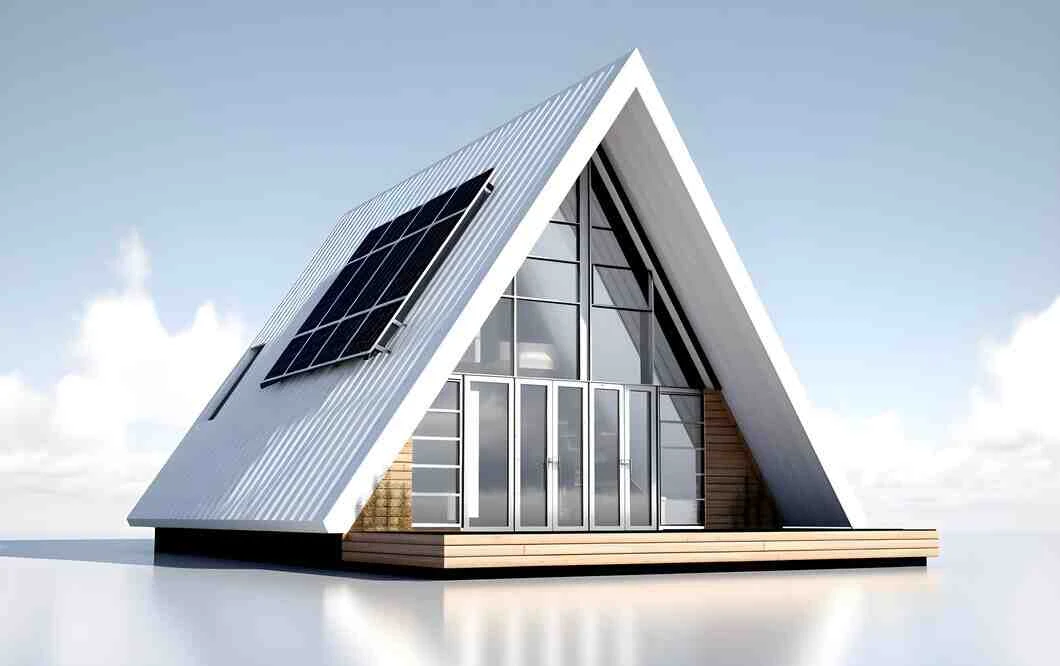
In an era where environmental concerns are at the forefront of our global consciousness, the concept of sustainable architecture has gained significant traction. Sustainable architecture, often referr...
Embarking on a home improvement project can be an exciting but challenging endeavor. When it comes to significant changes, two primary options often come to mind: renovating your existing home or buil...
Sign up to start winning an unlimited amount of jobs near you.


 Electrician
Gas Engineer
Electrician
Gas Engineer


Send more enquiries and explore your options
Increasing the number of potentials leads for you!
Have more control and flexibility over your finances!