


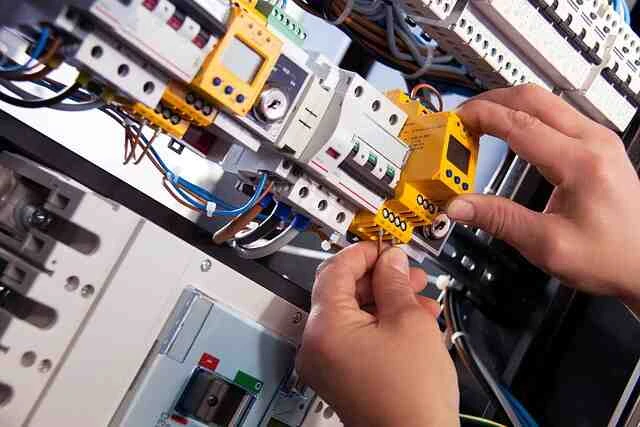
1. Define Your Project Goals
Before diving into an electrical project, take the time to clearly define your objectives. Determine the specific goals and desired outcomes of your project. Understanding what you want to achieve will help you communicate your expectations effectively to your electrical contractor.
2. Hire a Qualified Electrician
Choosing the right electrical contractor is paramount to the success of your project. Ensure that your electrician is licensed, experienced, and knowledgeable about local codes and regulations. Ask for references and check online reviews to get a sense of their reputation and work quality.
3. Detailed Planning
Planning is the backbone of any successful project. Work with your electrician to create a detailed project plan that includes a timeline, budget, and scope of work. This plan will serve as a roadmap, helping you stay organized and on track throughout the project.
4. Obtain Permits and Approvals
Don"t overlook the importance of permits and approvals. Check with your local municipality to determine what permits are required for your project. Failing to secure the necessary permits can lead to delays, fines, and compliance issues.
5. Communicate Clearly
Open and honest communication with your electrical contractor is key to avoiding misunderstandings and frustrations. Discuss your expectations, any specific requirements, and any potential challenges that may arise. Regular updates and progress meetings can help keep everyone on the same page.
6. Budget Wisely
Establish a realistic budget for your electrical project and be prepared for unexpected expenses. It"s a good practice to set aside a contingency fund to cover unforeseen costs that may arise during the project. Your electrician can help you understand the costs involved.
7. Plan for Downtime
If your project involves electrical work in a commercial setting, plan for downtime. Be prepared for possible disruptions to your operations and make arrangements to minimize the impact on your business during the project.
8. Safety Precautions
Safety should always be a top priority during electrical projects. Ensure that your electrical contractor follows all safety protocols and takes measures to protect you, your property, and their own team. Verify that they have adequate insurance coverage in case of accidents.
9. Regular Inspections
Throughout the project, schedule regular inspections to ensure that the work is progressing as planned and meets the required standards. Address any issues promptly to prevent them from escalating.
10. Document the Work
Maintain thorough documentation of the project, including photographs, diagrams, and records of all work performed. This documentation can be invaluable for future reference, maintenance, or in the event of disputes.
11. Project Completion Review
Once the project is complete, review the work with your electrical contractor to ensure that everything meets your expectations. Conduct a final inspection and confirm that all safety measures have been followed.
Conclusion
Electrical projects can be smooth and stress-free if approached with careful planning, effective communication, and the right professionals. By following these tips and working closely with a qualified electrician, you can ensure that your project is completed successfully, on time, and without unnecessary stress. A well-executed electrical project will not only improve your property but also provide peace of mind and satisfaction for years to come.
Your home is not just a place to live; it"s an expression of your personality and style. One of the most exciting aspects of homeownership is choosing the architectural style that best reflects your t...

Selecting the right architect is a pivotal step in ensuring the success of your construction project, whether it"s a commercial venture or a home improvement project. Architects play a crucial role in...

Architectural design is a complex and creative process that transforms ideas and concepts into tangible structures that shape our built environment. Whether it"s a stunning skyscraper, a sustainable h...

Embarking on an architectural project, whether it"s designing your dream home, renovating a commercial space, or constructing a public building, demands meticulous financial planning. Budgeting is a c...

In an era where environmental concerns are at the forefront of our global consciousness, the concept of sustainable architecture has gained significant traction. Sustainable architecture, often referr...

Embarking on a home improvement project can be an exciting but challenging endeavor. When it comes to significant changes, two primary options often come to mind: renovating your existing home or buil...
Sign up to start winning an unlimited amount of jobs near you.


 Electrician
Gas Engineer
Electrician
Gas Engineer


Send more enquiries and explore your options
Increasing the number of potentials leads for you!
Have more control and flexibility over your finances!