


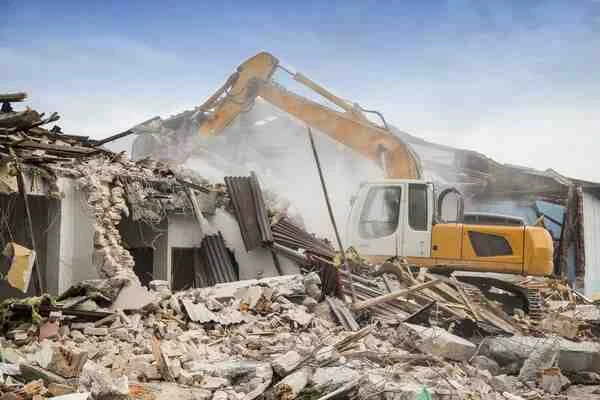
1. Plan Thoroughly
Before you swing that wrecking ball or pick up a sledgehammer, it"s essential to have a well-thought-out plan. Start by defining the project"s scope and objectives. Understand your goals and what you want to achieve with the demolition. Consider factors like safety, budget, and environmental impact.
Creating a detailed project plan should involve consulting professionals, including architects and engineers, who can provide insights into the structure"s stability, potential hazards, and the necessary permits. The more thorough your plan, the smoother your project will go.
2. Get the Right Permits
Demolition often requires various permits, depending on your location and the scale of the project. Ensure you understand local regulations and obtain all necessary permits before beginning work. Failing to do so can lead to costly fines and delays.
3. Hire Experienced Professionals
Demolition is not a DIY job, especially when dealing with large structures. Enlist the help of experienced demolition contractors who have the knowledge and equipment to handle the project efficiently and safely. They will also be aware of safety protocols and potential environmental concerns, which are crucial to a smooth demolition.
4. Safety First
Safety should be your top priority during a demolition project. Ensure that all workers follow safety guidelines and use appropriate protective gear. It"s essential to establish clear communication and emergency procedures on-site. Regular safety meetings and training can help prevent accidents and ensure a stress-free project.
5. Asbestos and Hazardous Materials
Older structures may contain asbestos or other hazardous materials. It"s crucial to identify and handle these substances properly to protect workers and the environment. Consult with experts in environmental remediation to address any concerns and adhere to safety guidelines.
6. Notify Neighbors
Demolition can be disruptive to your neighbors, so it"s considerate to notify them in advance. Discuss your plans and the potential impact on their daily lives. Being a good neighbor can go a long way in reducing stress during the project.
7. Salvage What You Can
Before bulldozing everything in sight, consider salvaging materials that are still in good condition. Not only does this reduce waste, but it can also save you money on disposal costs. Items like doors, fixtures, or even structural elements can often be repurposed or sold.
8. Manage Dust and Debris
Demolition creates a lot of dust and debris, which can be a significant source of stress. Implement measures to manage these issues, such as installing dust barriers, using water sprays, and regularly cleaning the site. Minimizing dust and debris will improve air quality and reduce the impact on your neighbors.
9. Waste Disposal
Proper waste disposal is essential for a stress-free demolition. Make sure you have a plan for the removal of debris and hazardous materials. Hire a waste management company or arrange for dumpsters and recycling services. Follow local regulations for waste disposal, as improper handling can result in fines.
10. Communication and Updates
Maintain open and clear communication with your demolition team. Regularly check in with them, discuss progress, and address any concerns promptly. Staying informed and connected with your contractors will help ensure the project runs smoothly.
11. Inspect as You Go
Regular inspections during the demolition process can identify potential issues early on. This can prevent costly setbacks and ensure that the project remains on track. Inspect for structural damage, safety hazards, and compliance with your original plan.
12. Budget Contingency
Unforeseen challenges can arise during demolition projects. It"s wise to have a contingency fund in your budget to cover unexpected expenses. This will reduce financial stress and prevent you from making hasty decisions when problems arise.
13. Keep Records
Documentation is crucial for a smooth demolition. Keep records of permits, inspections, contracts, and all communication with contractors. This paperwork can provide clarity and accountability in case of disputes or legal issues.
14. Reuse and Recycle
Whenever possible, reuse or recycle materials from the demolition. Not only does this reduce waste and save money, but it"s also environmentally responsible. Consider donating usable items to charity or organizations that can benefit from your project"s excess materials.
15. Celebrate the Progress
Demolition projects can be long and arduous, so it"s essential to celebrate the progress along the way. Recognize the milestones and achievements with your team. This positive reinforcement can boost morale and reduce stress.
In conclusion, a smooth and stress-free demolition project is attainable with thorough planning, professional guidance, and a commitment to safety and environmental responsibility. By following these tips, you can ensure that your demolition project is a success and a step toward your property"s future transformation. Remember, while the process may be challenging, the results will make it all worthwhile.
Your home is not just a place to live; it"s an expression of your personality and style. One of the most exciting aspects of homeownership is choosing the architectural style that best reflects your t...

Selecting the right architect is a pivotal step in ensuring the success of your construction project, whether it"s a commercial venture or a home improvement project. Architects play a crucial role in...

Architectural design is a complex and creative process that transforms ideas and concepts into tangible structures that shape our built environment. Whether it"s a stunning skyscraper, a sustainable h...

Embarking on an architectural project, whether it"s designing your dream home, renovating a commercial space, or constructing a public building, demands meticulous financial planning. Budgeting is a c...
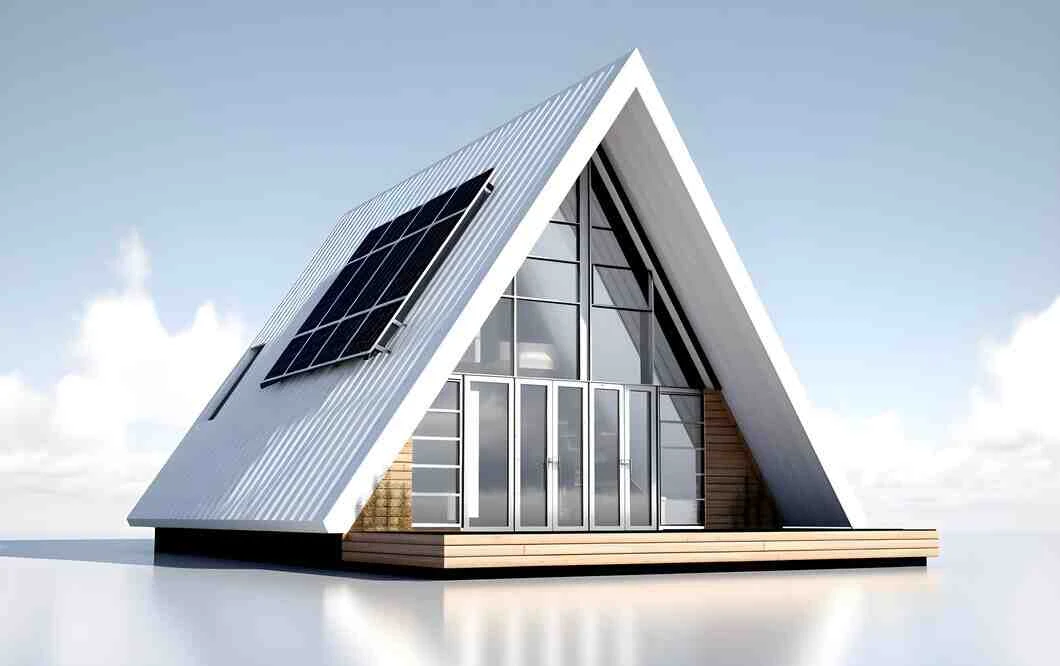
In an era where environmental concerns are at the forefront of our global consciousness, the concept of sustainable architecture has gained significant traction. Sustainable architecture, often referr...
Embarking on a home improvement project can be an exciting but challenging endeavor. When it comes to significant changes, two primary options often come to mind: renovating your existing home or buil...
Sign up to start winning an unlimited amount of jobs near you.


 Electrician
Gas Engineer
Electrician
Gas Engineer


Send more enquiries and explore your options
Increasing the number of potentials leads for you!
Have more control and flexibility over your finances!