

1. **Worker"s Compensation Insurance**
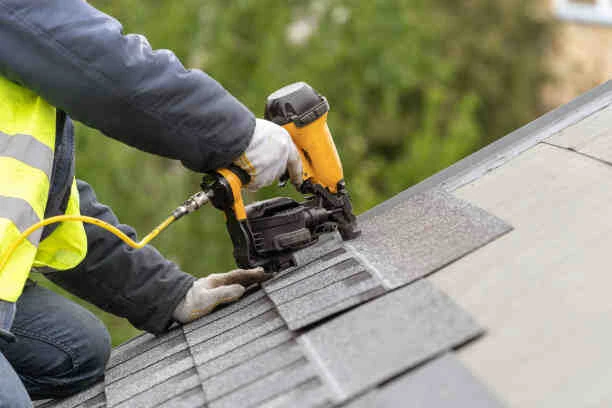
Worker"s compensation insurance is a fundamental aspect of roofline installations. It provides coverage for workers who may be injured or suffer from work-related illnesses while on the job. This coverage ensures that workers receive necessary medical care and compensation for lost wages. Roofline contractors must carry worker"s compensation insurance to protect their employees in case of accidents.
2. **General Liability Insurance**
General liability insurance is crucial for contractors as it covers property damage and injuries that may occur during the installation process. For example, if a worker accidentally damages a homeowner"s property while working on the roofline, this insurance can cover the costs of repairs or replacement. General liability insurance protects the contractor from potential lawsuits and financial liabilities.
3. **Professional Liability Insurance**
Professional liability insurance, also known as errors and omissions (E&O) insurance, is important for roofline contractors who provide design or consulting services. It covers claims related to professional errors, omissions, or negligence. If a contractor"s design or advice leads to problems or defects in the installation, this insurance can provide financial protection.
4. **Business Owner"s Policy (BOP)**
A Business Owner"s Policy is a package insurance policy that combines various coverages. It typically includes general liability insurance, property insurance, and business interruption insurance. Roofline contractors can benefit from a BOP as it provides comprehensive coverage for property damage and liability risks, as well as protection in case their business is interrupted due to a covered event, like a natural disaster.
5. **Builder"s Risk Insurance**
Builder"s risk insurance is essential for roofline contractors during the installation phase of a new construction project. It covers damage or loss of materials, tools, and equipment due to theft, vandalism, fire, or other perils during the construction period. This insurance ensures that contractors can continue their work without significant financial setbacks.
6. **Umbrella Insurance**
Umbrella insurance provides additional liability coverage above and beyond the limits of other policies. It"s particularly useful for contractors who want extra protection in case of catastrophic accidents or lawsuits. Umbrella insurance can prevent a contractor from facing a financial burden that exceeds the limits of their primary liability policies.
Benefits for Property Owners
Property owners who hire roofline contractors also benefit from insurance in several ways:
1. **Protection Against Property Damage:** Insurance coverage held by contractors helps protect property owners from expenses associated with damage or accidents that occur during the installation.
2. **Peace of Mind:** Knowing that contractors are adequately insured provides peace of mind to property owners, assuring them that any unforeseen issues or accidents will be addressed without additional financial burden.
3. **Professionalism:** Contractors with comprehensive insurance coverage demonstrate professionalism and a commitment to their clients, instilling trust in property owners.
Conclusion
The role of insurance in roofline installations is essential for both contractors and property owners. It provides financial protection, peace of mind, and a safety net in case of accidents, property damage, or professional errors. It"s crucial for contractors to carry the necessary insurance policies and for property owners to verify that their chosen contractors have adequate coverage. This mutual commitment to insurance safeguards both parties and ensures a smooth and secure roofline installation process.

Architects play a pivotal role in designing buildings that are not only aesthetically pleasing but also safe and functional. One of the crucial aspects of architectural design is ensuring compliance w...
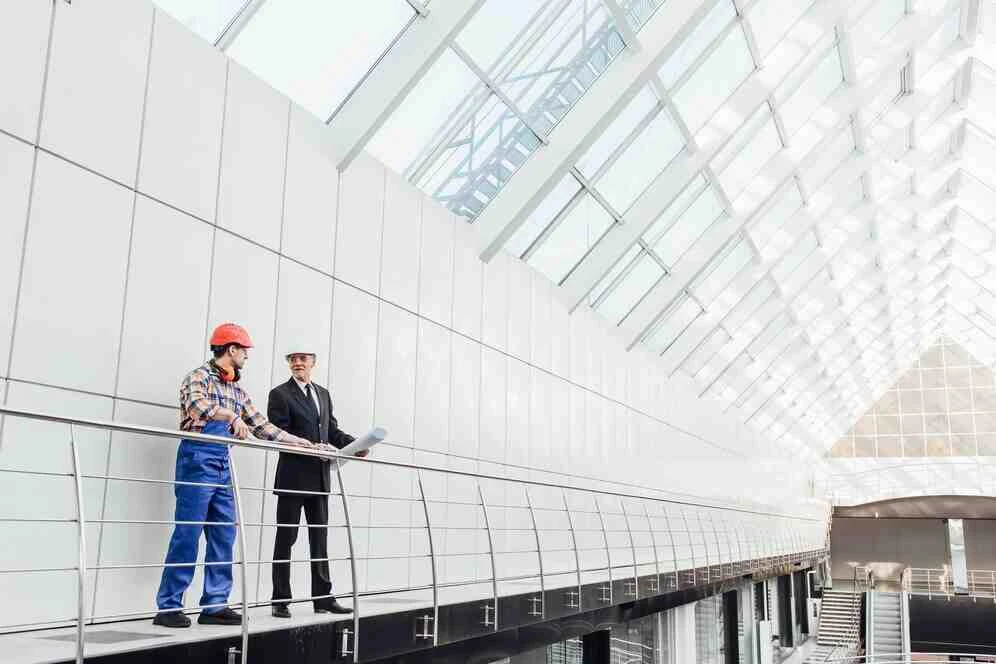
In the realm of architectural design, aesthetics, and functionality often take center stage. However, a paramount concern that should never be overlooked is safety. The safety of occupants and users i...

Explore the delicate balance between sustainability innovation and safety regulations in architectural design. Discover how architects create eco-friendly yet safe spaces.
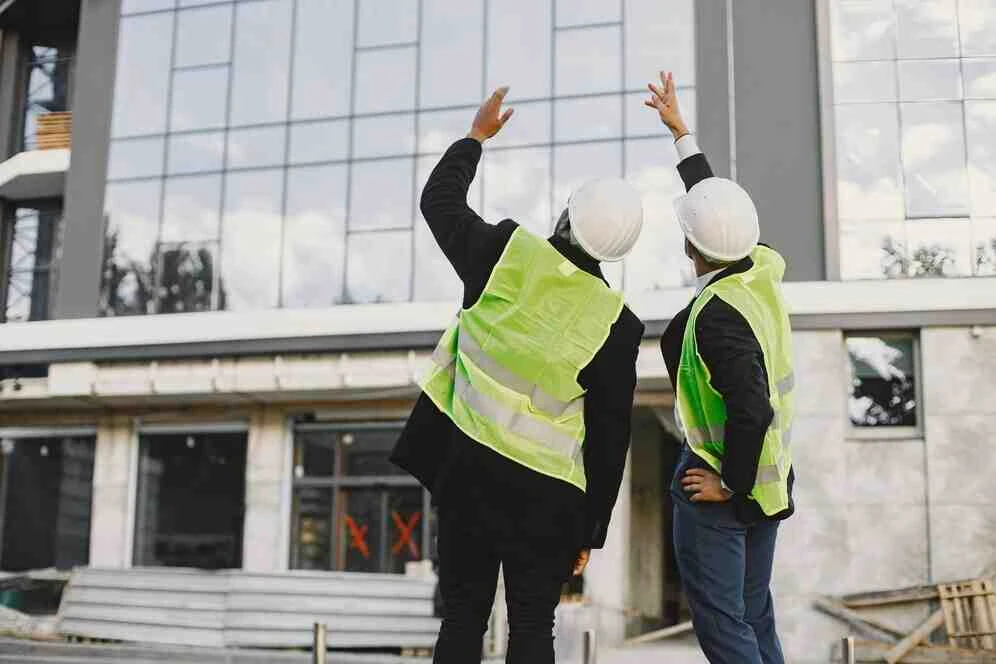
Discover the latest seismic safety innovations for architects in the UK. Stay informed to design resilient structures in low-seismic-risk regions.
Explore fire safety in UK architecture. Learn about codes, fire-resistant materials, and design strategies to protect lives and property in architectural projects.

Discover the importance of designing inclusively in architecture. Learn how to meet the unique needs of disabled individuals and create accessible spaces for all.
Sign up to start winning an unlimited amount of jobs near you.


 Electrician
Gas Engineer
Electrician
Gas Engineer


Send more enquiries and explore your options
Increasing the number of potentials leads for you!
Have more control and flexibility over your finances!