



1. Protecting Against Accidents and Damages
Accidents and damages are inherent risks in any construction project, including paving work. It"s not uncommon for equipment to malfunction, surfaces to crack, or unforeseen events to occur on a job site. Insurance provides a financial safety net in such situations. Paving work often involves heavy machinery, such as asphalt pavers, rollers, and excavators, which are not only expensive but can also lead to costly accidents if not handled properly. Liability insurance and equipment insurance can cover the costs of repairs or replacement, ensuring that the project stays on track.
2. Safeguarding Workers and Liability
The safety of workers is a top priority in any construction project, and paving work is no exception. Accidents on the job can result in serious injuries or even fatalities. Workers" compensation insurance is a crucial aspect of any construction project, as it provides financial protection for employees in case of workplace injuries. In addition to worker safety, paving contractors need to protect themselves against liability claims that may arise due to property damage or injuries caused by their work. General liability insurance covers these scenarios, offering legal and financial protection for contractors.
3. Ensuring Compliance with Regulations
The construction industry is heavily regulated, with numerous local, state, and federal laws governing safety standards, environmental requirements, and more. Paving work is subject to these regulations as well. Insurance providers often work closely with contractors to ensure that their projects are compliant with all relevant laws and standards. By maintaining compliance, contractors reduce their risk of legal troubles and potential fines. Insurance plays a vital role in helping professionals navigate the complex web of regulations and codes associated with paving work.
4. Project Completion Guarantee
Sometimes, paving projects may face unforeseen delays or obstacles. Weather conditions, material shortages, or other unexpected factors can disrupt the timeline. Insurance policies like performance and completion bonds provide assurances to project owners that the work will be finished on time and to the agreed-upon standards. This helps foster trust between contractors and clients and is essential for paving professionals seeking to secure contracts and maintain a good reputation.
5. Protecting Investments and Reputation
Insurance is an investment in the future of a paving business. By safeguarding against potential financial and legal setbacks, contractors can focus on delivering high-quality work and building a positive reputation. Customers are more likely to choose contractors who demonstrate a commitment to safety, quality, and professionalism, and insurance is a key component of this commitment. It allows contractors to instill confidence in their clients and partners.
Conclusion
In the world of paving work, insurance is not an optional expense but an essential tool for managing risk, ensuring safety, and protecting investments. It acts as a shield against accidents, damages, and liabilities, giving contractors the peace of mind they need to focus on delivering top-notch projects. Moreover, insurance helps maintain compliance with regulations and offers guarantees for project completion, further solidifying its role in the paving industry. Without insurance, the modern construction world, including paving work, would be a riskier and less reliable environment. So, it"s safe to say that insurance is the unsung hero behind the smooth roads and pavements we often take for granted.

Architects play a pivotal role in designing buildings that are not only aesthetically pleasing but also safe and functional. One of the crucial aspects of architectural design is ensuring compliance w...

In the realm of architectural design, aesthetics, and functionality often take center stage. However, a paramount concern that should never be overlooked is safety. The safety of occupants and users i...

Explore the delicate balance between sustainability innovation and safety regulations in architectural design. Discover how architects create eco-friendly yet safe spaces.

Discover the latest seismic safety innovations for architects in the UK. Stay informed to design resilient structures in low-seismic-risk regions.
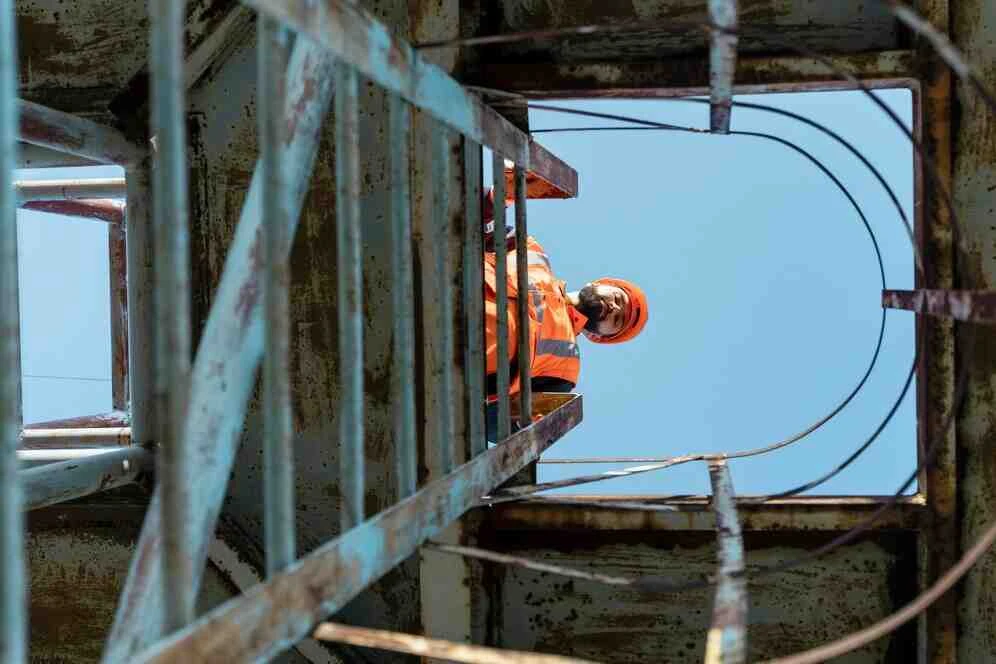
Explore fire safety in UK architecture. Learn about codes, fire-resistant materials, and design strategies to protect lives and property in architectural projects.
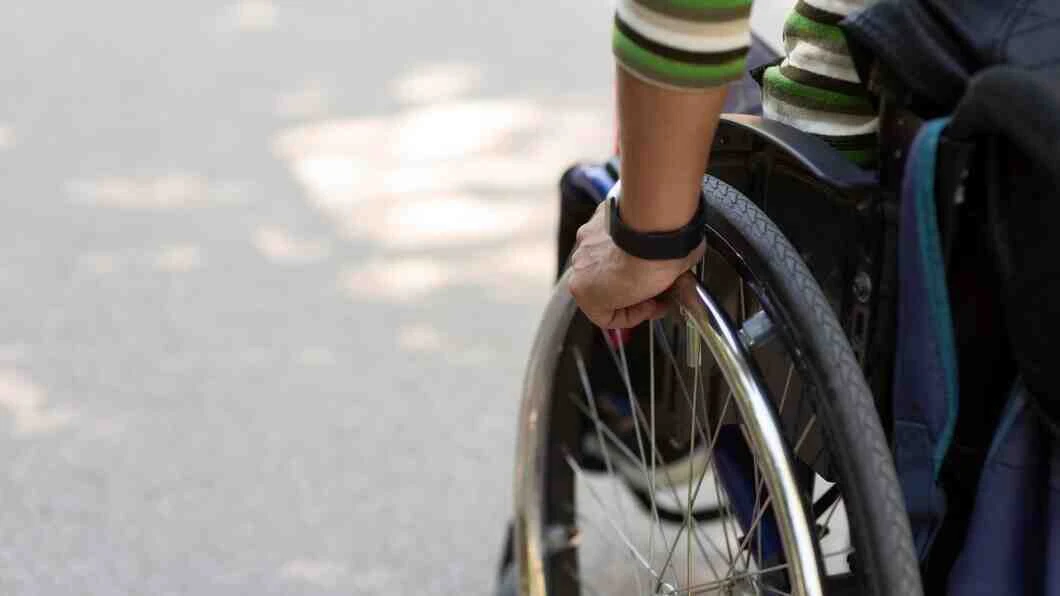
Discover the importance of designing inclusively in architecture. Learn how to meet the unique needs of disabled individuals and create accessible spaces for all.
Sign up to start winning an unlimited amount of jobs near you.


 Electrician
Gas Engineer
Electrician
Gas Engineer


Send more enquiries and explore your options
Increasing the number of potentials leads for you!
Have more control and flexibility over your finances!