

Chapter 1: Understanding Heating Installations
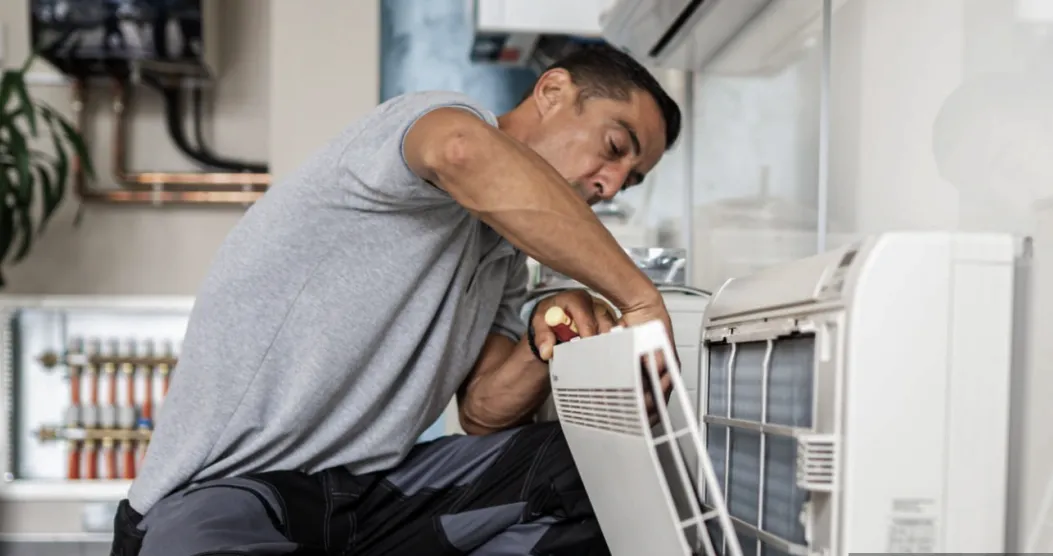
Before we delve into the role of insurance, it"s crucial to understand what heating installations entail. Heating installations refer to the process of fitting, connecting, and ensuring the proper functioning of heating systems in residential or commercial buildings. These installations can be complex, involving various components and technologies. Common heating systems include:
Furnaces
Heat Pumps
Radiant Floor Heating
Boilers
Solar Heating Systems
Each of these systems has its unique set of requirements, and a successful installation is the foundation for a reliable heating system.
Chapter 2: The Risks Involved in Heating Installations
Installing a heating system is not without its risks. Even with experienced professionals at the helm, accidents can happen, and things can go wrong. Some common risks associated with heating installations include:
Property Damage: During the installation process, property damage can occur. This may include accidental damage to walls, floors, or other structures, as well as damage to the heating system itself.
Inadequate Installation: If the installation is not done correctly, the heating system may not operate efficiently, leading to increased energy costs or even system failure.
Safety Hazards: Incorrectly installed heating systems can pose safety hazards, such as gas leaks, carbon monoxide leaks, or electrical problems.
Third-Party Liability: Accidents during installation can also lead to injuries to installers or bystanders, resulting in liability claims.
Given these risks, it becomes apparent why insurance is an essential consideration in heating installations.
Chapter 3: Types of Insurance in Heating Installations
Now that we understand the risks involved, let"s explore the types of insurance that play a role in heating installations:
Contractor Liability Insurance: Heating installation professionals should carry liability insurance to protect themselves and their clients. This insurance covers damages caused by the contractor"s work, ensuring that any unexpected mishaps are financially covered.
Property Insurance: Homeowners should check their property insurance policies to see if heating installations are covered. If not, they may need to add a rider or separate policy to protect their investment.
Workers" Compensation Insurance: Contractors should have workers" compensation insurance to cover injuries sustained by their employees during installations. This helps protect both workers and clients from potential legal issues.
Equipment Insurance: Heating installation companies often have specialized equipment. Equipment insurance covers the cost of repairing or replacing this equipment in case of damage or theft.
Performance Guarantees: Some heating system manufacturers offer performance guarantees or warranties. These can provide peace of mind to homeowners, ensuring that they won"t be left with a malfunctioning system.
Chapter 4: The Benefits of Insurance in Heating Installations
Now that we know the types of insurance available, let"s explore the numerous benefits:
Financial Security: Insurance provides financial protection in case of unexpected accidents or damages. This ensures that both contractors and homeowners won"t face exorbitant repair or replacement costs.
Legal Protection: Insurance can shield all parties involved from potential legal disputes. It can cover legal fees and settlements, sparing everyone involved from a lengthy and costly legal battle.
Peace of Mind: Knowing that insurance is in place can give homeowners confidence in their heating system investment. It ensures that they won"t be left out in the cold if something goes wrong.
Professionalism: Contractors who carry the appropriate insurance demonstrate professionalism and commitment to their clients" well-being. It"s a sign that they take their work seriously and are prepared for any contingencies.
Chapter 5: How to Choose the Right Insurance for Heating Installations
Selecting the right insurance for heating installations is crucial. Here are some steps to help guide your decision:
Research and Compare: Start by researching insurance providers who specialize in heating installations. Compare their coverage options, rates, and customer reviews.
Check Credentials: Ensure that contractors working on your heating installation have the necessary insurance coverage. Request proof of insurance and verify it with the provider.
Customize Your Policy: Tailor your insurance policy to your specific needs. Ensure it covers the type of heating system you"re installing and the potential risks involved.
Understand Coverage Limits: Pay attention to coverage limits, deductibles, and any exclusions in the policy. Make sure you fully understand what is and isn"t covered.
Read the Fine Print: Always read the policy carefully and ask questions if anything is unclear. It"s essential to know the details of your coverage.
Chapter 6: Conclusion
In conclusion, insurance plays a crucial role in heating installations. It provides financial security, legal protection, and peace of mind to both contractors and homeowners. Understanding the risks involved in heating installations and choosing the right insurance coverage can ensure that your investment in a warm and comfortable home is protected. Don"t overlook the importance of insurance when embarking on a heating installation project; it"s the safety net that can make all the difference.
Heating installations are not just about warmth; they are about creating a safe and comfortable environment for you and your loved ones. And insurance is the invisible guardian that ensures your comfort remains uninterrupted, even on the coldest winter nights. So, the next time you cozy up by the fire or adjust your thermostat, remember the unsung hero in the background—the insurance policy that keeps your heating installation safe and sound.

Architects play a pivotal role in designing buildings that are not only aesthetically pleasing but also safe and functional. One of the crucial aspects of architectural design is ensuring compliance w...
In the realm of architectural design, aesthetics, and functionality often take center stage. However, a paramount concern that should never be overlooked is safety. The safety of occupants and users i...

Explore the delicate balance between sustainability innovation and safety regulations in architectural design. Discover how architects create eco-friendly yet safe spaces.

Discover the latest seismic safety innovations for architects in the UK. Stay informed to design resilient structures in low-seismic-risk regions.
Explore fire safety in UK architecture. Learn about codes, fire-resistant materials, and design strategies to protect lives and property in architectural projects.
Discover the importance of designing inclusively in architecture. Learn how to meet the unique needs of disabled individuals and create accessible spaces for all.
Sign up to start winning an unlimited amount of jobs near you.


 Electrician
Gas Engineer
Electrician
Gas Engineer


Send more enquiries and explore your options
Increasing the number of potentials leads for you!
Have more control and flexibility over your finances!