



In this comprehensive guide, we will delve into the often neglected but crucial role of insurance in flooring installations. We will explore the reasons why insurance matters, the different types of insurance relevant to flooring projects, and how insurance can safeguard your investment. So, let"s embark on this journey to uncover the vital role of insurance in ensuring a successful flooring installation.
Chapter 1: Understanding the Risks
Before we dive into the specifics of insurance, it"s essential to understand the potential risks associated with flooring installations. These risks include:
1.1 Accidental Damage
Mishandling of materials during transportation and installation.
Accidents resulting in damage to existing structures or furnishings.
1.2 Installation Errors
Incorrect measurements leading to uneven flooring.
Subpar installation techniques causing buckling, warping, or uneven seams.
1.3 Unforeseen Issues
Unexpected issues like subfloor damage, mold, or structural problems.
Unforeseen delays due to weather, supply chain disruptions, or contractor issues.
Chapter 2: The Role of Insurance
Now that we"ve identified the potential risks, let"s explore the vital role insurance plays in mitigating them:
2.1 Liability Insurance
Protects you against claims arising from accidents during installation.
Ensures that you are not financially responsible for injuries or damage caused by the installation team.
2.2 Workers" Compensation
Covers medical expenses and lost wages for installers in case of injury on the job.
Eliminates the risk of lawsuits against you as the property owner.
2.3 Contractor Insurance
Ensures that your chosen flooring contractor has appropriate insurance coverage.
Validates the professionalism and commitment of your chosen installer.
Chapter 3: Types of Insurance for Flooring Installations
Understanding the different types of insurance policies available for flooring installations is crucial:
3.1 General Liability Insurance
Protects against third-party claims for bodily injury or property damage.
Covers legal fees and settlement costs if a claim is filed against you.
3.2 Professional Liability Insurance
Also known as errors and omissions insurance.
Covers claims related to professional mistakes, such as incorrect measurements or installation errors.
3.3 Contractor"s Liability Insurance
Specific to contractors and subcontractors.
Protects against claims arising from contractor negligence.
3.4 Builder"s Risk Insurance
Covers damages to the property during construction or renovation.
Includes coverage for theft, vandalism, and natural disasters.
Chapter 4: Benefits of Insured Flooring Installations
Now that we understand the types of insurance available, let"s explore the numerous benefits of ensuring your flooring installation project:
4.1 Peace of Mind
Knowing that you"re protected against unforeseen accidents and damages can reduce stress during the project.
4.2 Financial Security
Avoid unexpected out-of-pocket expenses for repairs or medical bills.
Protect your investment in high-quality flooring materials.
4.3 Reputation Management
Demonstrates professionalism and responsibility to potential buyers or tenants.
Enhances your reputation as a homeowner or business owner.
4.4 Timely Completion
Insurance coverage can expedite the resolution of issues and minimize project delays.
Ensure your project stays on schedule.
Chapter 5: Choosing the Right Insurance Provider
Selecting the right insurance provider for your flooring installation project is essential:
5.1 Research and Compare
Research insurance providers and obtain quotes from multiple companies.
Compare coverage, premiums, deductibles, and customer reviews.
5.2 Verify Credentials
Ensure that the insurance provider is licensed and reputable.
Check for any complaints or legal issues associated with the company.
5.3 Consult an Expert
Seek guidance from a knowledgeable insurance agent or consultant.
They can help you navigate complex insurance policies and select the most suitable coverage.
Chapter 6: Conclusion
In conclusion, the role of insurance in flooring installations cannot be understated. It acts as a safety net, protecting you from unforeseen risks and ensuring the success of your project. While it may seem like an additional expense, the peace of mind and financial security it provides are invaluable.
Before embarking on your flooring installation journey, take the time to understand the risks involved and the types of insurance available. Choose a reputable insurance provider, consult with experts if necessary, and rest assured that your investment in beautiful, functional flooring is well protected.
By prioritizing insurance, you can turn your flooring installation project into a worry-free and successful endeavor, leaving you with a space that exudes both beauty and peace of mind. Don"t let the unexpected turn your dream renovation into a nightmare – invest in insurance and safeguard your flooring project today.

Architects play a pivotal role in designing buildings that are not only aesthetically pleasing but also safe and functional. One of the crucial aspects of architectural design is ensuring compliance w...

In the realm of architectural design, aesthetics, and functionality often take center stage. However, a paramount concern that should never be overlooked is safety. The safety of occupants and users i...

Explore the delicate balance between sustainability innovation and safety regulations in architectural design. Discover how architects create eco-friendly yet safe spaces.

Discover the latest seismic safety innovations for architects in the UK. Stay informed to design resilient structures in low-seismic-risk regions.
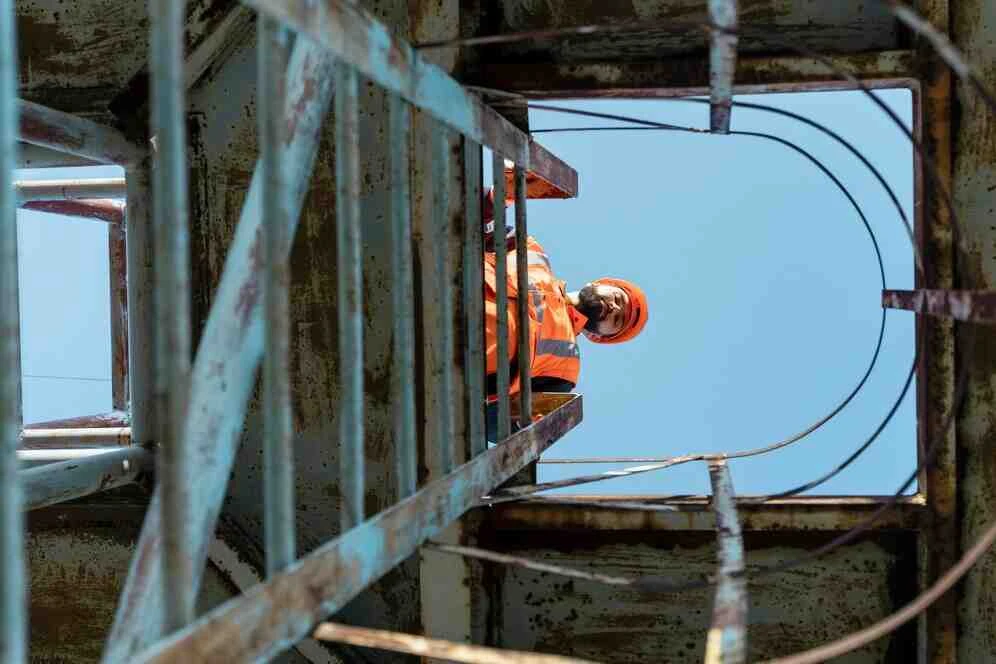
Explore fire safety in UK architecture. Learn about codes, fire-resistant materials, and design strategies to protect lives and property in architectural projects.

Discover the importance of designing inclusively in architecture. Learn how to meet the unique needs of disabled individuals and create accessible spaces for all.
Sign up to start winning an unlimited amount of jobs near you.


 Electrician
Gas Engineer
Electrician
Gas Engineer


Send more enquiries and explore your options
Increasing the number of potentials leads for you!
Have more control and flexibility over your finances!