


1. Protecting Investments
Extension installations typically involve substantial financial investments. Whether it"s a home extension, a new wing in a commercial building, or infrastructure development, the costs can escalate rapidly. Insurance can act as a financial safety net in case of accidents or unexpected events that could damage or delay the project. Without insurance, all the capital invested in the extension may be at risk.
2. Liability Coverage
Liability insurance is a vital component of extension installation projects. It safeguards against unforeseen accidents, injuries, or property damage that may occur during construction. For example, if a construction worker sustains an injury or a neighboring property is damaged due to the extension project, liability insurance can cover the legal and medical costs. Without it, the project owner may be liable for these expenses.
3. Protection from Natural Disasters
Extension installations are susceptible to natural disasters like floods, earthquakes, and hurricanes. These events can cause significant damage to the construction and lead to project delays. Insurance can provide coverage for these disasters, helping project owners recover and resume work without bearing the full financial burden.
4. Ensuring Compliance
Many local authorities and regulatory bodies require contractors and project owners to have insurance coverage before beginning extension installations. Failing to comply with these requirements can result in legal penalties and project delays. Insurance not only helps meet these regulatory needs but also ensures that the project adheres to local laws and regulations.
5. Safeguarding Against Delays
Extension installations are often time-sensitive. Delays can be costly, causing financial strain and inconvenience to all stakeholders. Insurance policies can include provisions for project delays, covering the costs associated with extending the construction timeline due to unforeseen events such as bad weather, labor strikes, or material shortages.
6. Protecting Equipment and Tools
Construction projects rely on expensive machinery, tools, and equipment. Theft, vandalism, or damage to these assets can disrupt the project and add unexpected costs. Insurance can provide coverage for these situations, enabling the replacement or repair of vital equipment, thus ensuring that the project continues without interruption.
7. Ensuring the Well-being of Workers
Worker"s compensation insurance is crucial for any construction project. It ensures that laborers receive adequate medical care and compensation in case of injuries or accidents. This not only safeguards the well-being of the workers but also protects the project owner from potential legal liabilities.
8. Tailored Policies
Insurance providers offer a variety of policies that can be tailored to the specific needs of an extension installation project. From builders risk insurance to comprehensive general liability insurance, project owners can select policies that align with the project"s unique risks and requirements.
Conclusion
Insurance is an indispensable component of extension installations, offering protection for financial investments, ensuring compliance with regulations, and safeguarding against a wide range of risks. From liability coverage to protection against natural disasters and equipment damage, insurance provides the security and peace of mind that extension project owners need to see their ventures through to successful completion. Before embarking on any extension installation, it is imperative to consult with an insurance professional to determine the most appropriate coverage for the specific project. In doing so, project owners can mitigate potential risks and ensure a smoother and more secure construction process.
Architects play a pivotal role in designing buildings that are not only aesthetically pleasing but also safe and functional. One of the crucial aspects of architectural design is ensuring compliance w...
In the realm of architectural design, aesthetics, and functionality often take center stage. However, a paramount concern that should never be overlooked is safety. The safety of occupants and users i...
Explore the delicate balance between sustainability innovation and safety regulations in architectural design. Discover how architects create eco-friendly yet safe spaces.
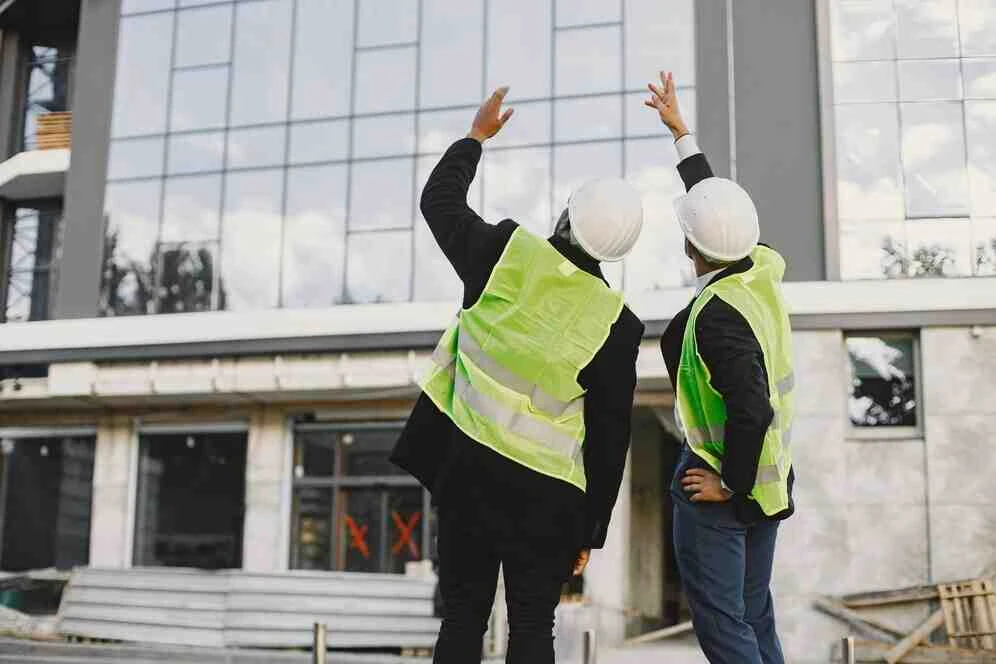
Discover the latest seismic safety innovations for architects in the UK. Stay informed to design resilient structures in low-seismic-risk regions.
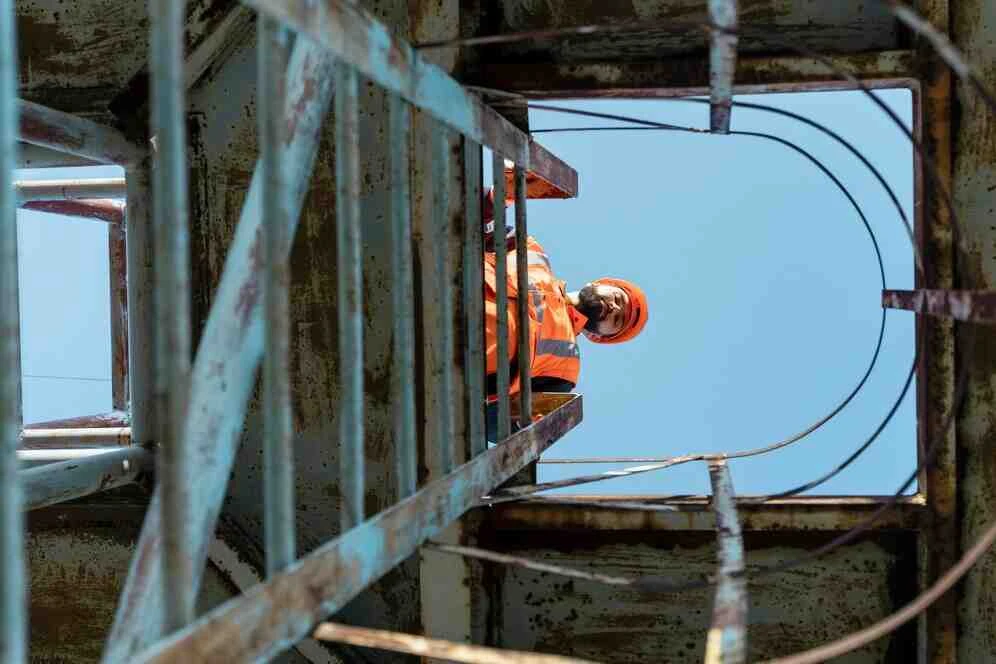
Explore fire safety in UK architecture. Learn about codes, fire-resistant materials, and design strategies to protect lives and property in architectural projects.
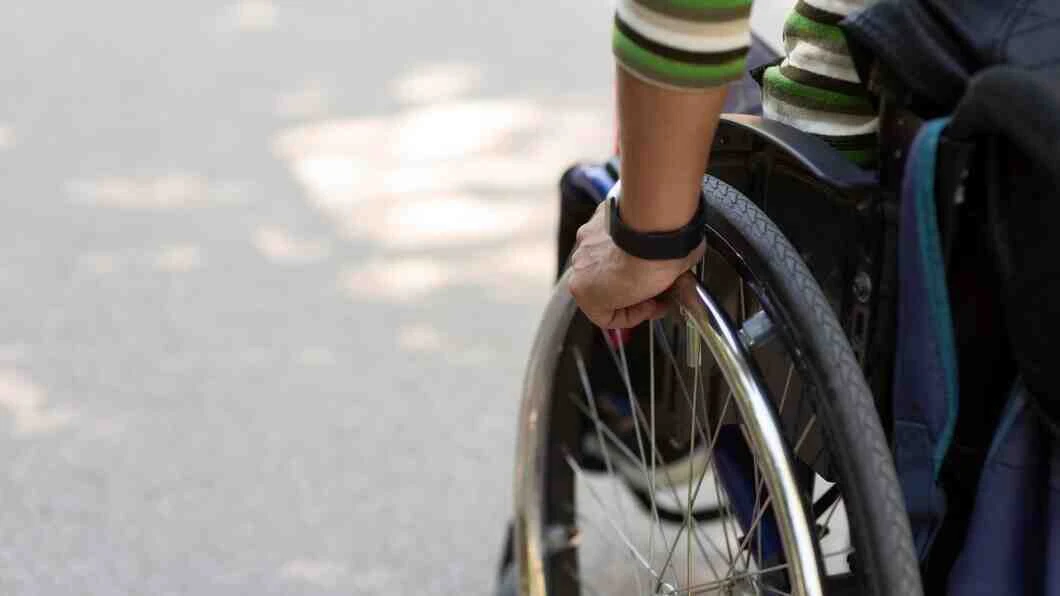
Discover the importance of designing inclusively in architecture. Learn how to meet the unique needs of disabled individuals and create accessible spaces for all.
Sign up to start winning an unlimited amount of jobs near you.


 Electrician
Gas Engineer
Electrician
Gas Engineer


Send more enquiries and explore your options
Increasing the number of potentials leads for you!
Have more control and flexibility over your finances!