



1. Mitigating Financial Risks
One of the primary roles of insurance in electrical installations is to mitigate financial risks. Electrical accidents can be costly, resulting in damage to property, equipment, and potential liability for injuries or deaths. Insurance coverage helps individuals and businesses offset these financial burdens, ensuring that they can recover from losses without severe financial setbacks.
2. Protecting Against Fire Hazards
Electrical fires are among the most common and dangerous hazards associated with electrical installations. Faulty wiring, overloaded circuits, and other electrical issues can lead to devastating fires. Insurance policies that cover fire damage can provide peace of mind, as they offer compensation to those affected by such incidents, helping them rebuild and recover.
3. Ensuring Safety Measures are in Place
Insurers often require specific safety measures and standards to be met to provide coverage for electrical installations. These measures might include having regular electrical inspections, following building codes and regulations, and implementing safety protocols. This ensures that policyholders take the necessary precautions to reduce the risk of accidents, promoting electrical safety.
4. Liability Coverage
Electrical installations can pose not only property risks but also liability risks. If an electrical installation causes harm to individuals or their property, the responsible party may be liable for damages. Insurance policies typically include liability coverage, which can help cover legal costs and compensation in case a lawsuit arises due to electrical accidents.
5. Business Continuity
For businesses that heavily rely on electrical equipment and systems, insurance is an essential part of ensuring business continuity. A sudden electrical failure or fire can lead to downtime, loss of income, and damage to critical assets. Insurance can cover these losses, allowing the business to get back on its feet and minimize disruption.
6. Compliance with Legal Requirements
In many jurisdictions, insurance is a legal requirement for electrical installations. Homeowners and business owners may be obligated to have insurance coverage for their electrical systems, which ensures that they adhere to safety standards and regulations. This not only protects individuals and businesses but also serves the broader goal of reducing electrical accidents.
7. Encouraging Responsible Practices
Knowing that their electrical installations are insured, individuals and businesses have a financial incentive to maintain their systems properly and follow safety guidelines. This leads to responsible practices, reducing the chances of electrical accidents and the associated risks.
Conclusion
Insurance plays a vital role in electrical installations by providing financial protection against potential hazards and promoting safety measures and responsible practices. Whether it"s safeguarding property, covering liability, ensuring business continuity, or complying with legal requirements, insurance is an essential component of electrical safety. While it may seem like an added expense, the benefits far outweigh the costs, offering peace of mind and protection against the unpredictable risks associated with electricity. So, when it comes to electrical installations, don"t underestimate the role of insurance in safeguarding your interests and well-being.

Architects play a pivotal role in designing buildings that are not only aesthetically pleasing but also safe and functional. One of the crucial aspects of architectural design is ensuring compliance w...
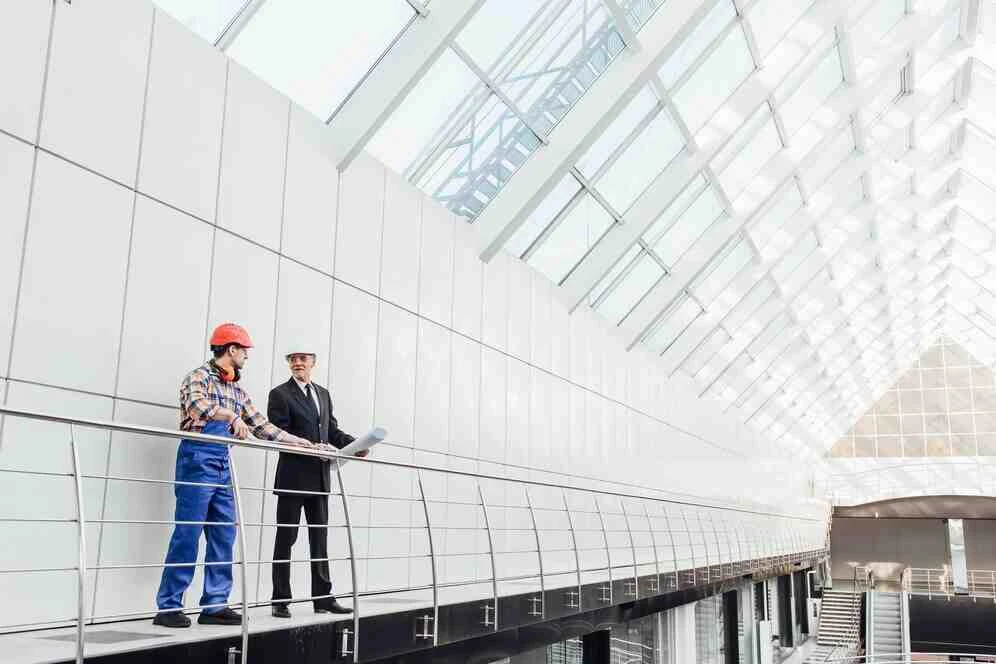
In the realm of architectural design, aesthetics, and functionality often take center stage. However, a paramount concern that should never be overlooked is safety. The safety of occupants and users i...

Explore the delicate balance between sustainability innovation and safety regulations in architectural design. Discover how architects create eco-friendly yet safe spaces.
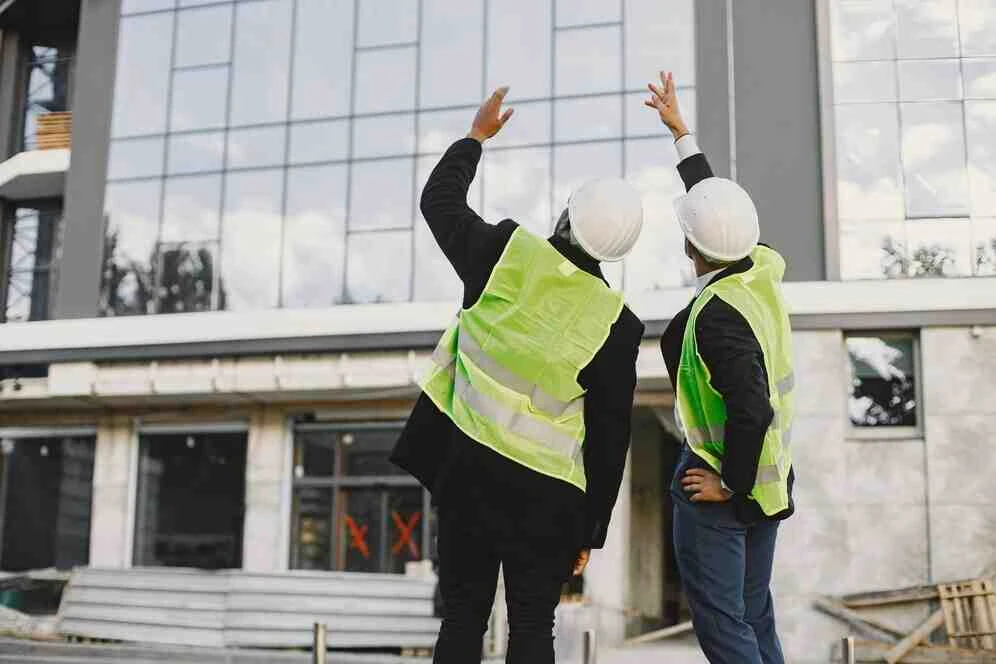
Discover the latest seismic safety innovations for architects in the UK. Stay informed to design resilient structures in low-seismic-risk regions.
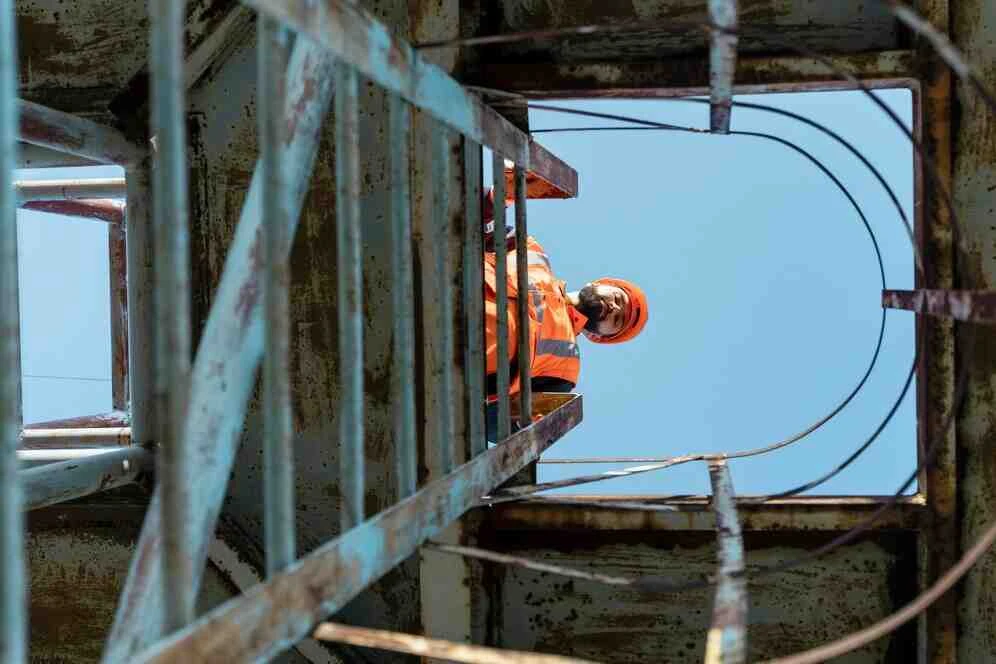
Explore fire safety in UK architecture. Learn about codes, fire-resistant materials, and design strategies to protect lives and property in architectural projects.

Discover the importance of designing inclusively in architecture. Learn how to meet the unique needs of disabled individuals and create accessible spaces for all.
Sign up to start winning an unlimited amount of jobs near you.


 Electrician
Gas Engineer
Electrician
Gas Engineer


Send more enquiries and explore your options
Increasing the number of potentials leads for you!
Have more control and flexibility over your finances!