


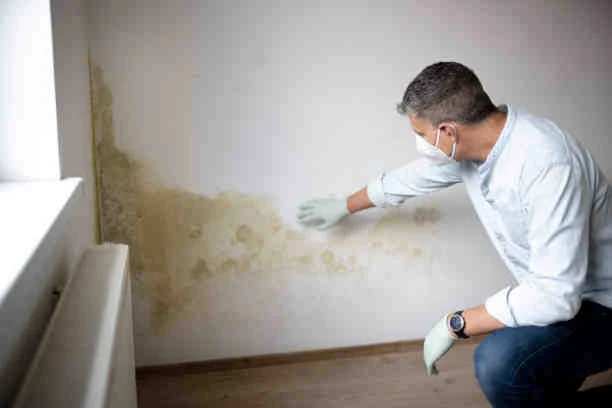
Understanding Damp: The Silent Intruder
Damp is more than just a cosmetic issue; it"s a potential disaster in the making. It encompasses a range of problems, from simple condensation on windows to rising damp, penetrating damp, and severe cases of fungal growth like mold and dry rot. Left unchecked, damp can undermine the structural integrity of your property, jeopardizing both its value and your safety.
The common sources of damp include leaky roofs, damaged gutters, faulty plumbing, or even poor ventilation. Often, homeowners overlook these issues until the damage becomes severe. This is where insurance proves its worth.
The Importance of Damp-Proofing
Damp-proofing is a proactive measure to protect your property from the damaging effects of damp. It involves various techniques and treatments, such as damp-proof courses, waterproof membranes, and sealants, which create a barrier against moisture infiltration. Damp-proofing not only preserves the structural integrity of your property but also maintains its aesthetic appeal and your peace of mind.
The Role of Insurance in Damp-Proofing
1. Financial Safety Net
Insurance serves as a financial safety net when you encounter damp-related issues. A robust home insurance policy typically covers damage caused by leaks and damp. In the event of damp damage, insurance can help cover the cost of repairs, ensuring that you don"t have to bear the entire financial burden yourself.
2. Peace of Mind
Knowing that you have insurance to fall back on can provide a sense of security. Damp-related issues are stressful enough, but the knowledge that your insurance will help alleviate the financial burden can provide peace of mind, allowing you to focus on resolving the issue without the added worry of how to pay for it.
3. Damp Prevention and Early Detection
Many insurance policies also offer preventive measures and early detection services. This means that insurance providers may offer guidance on damp-proofing techniques and conduct regular inspections to catch any issues before they escalate. Such proactive approaches can save you both money and the headache of dealing with severe damp problems.
4. Increased Property Value
Maintaining a damp-proof property through insurance-backed services can significantly increase its resale value. Buyers are often wary of properties with a history of damp issues, but knowing that the property is well-insured and protected can make it a more attractive investment.
5. Liability Coverage
In some cases, damp-related issues can affect not only your property but also your neighbors". Insurance can offer liability coverage, protecting you from potential legal disputes and the financial consequences of damage caused to adjacent properties.
Types of Insurance for Damp-Proofing
To make the most of insurance in damp-proofing, it"s essential to understand the different types of insurance policies available:
1. Homeowner"s Insurance
This is the most common type of insurance that provides coverage for damage to your home caused by damp. However, it"s essential to read the fine print and understand the extent of coverage for damp-related issues.
2. Damp-Proofing Insurance
Some insurance providers offer specialized policies that focus specifically on damp-related issues. These policies may cover not only the repair costs but also preventive measures and inspections.
3. Building Insurance
If you"re a landlord or property owner, building insurance is crucial. It covers the structure itself, including damp-related damage. This type of insurance is particularly important for those who own multiple properties.
Tips for Choosing the Right Insurance
When selecting insurance for damp-proofing, consider the following tips:
Comprehensive Coverage: Look for policies that provide comprehensive coverage for a range of damp-related issues.
Review Policy Details: Pay attention to the fine print and understand what is covered and what is not. Some policies may exclude certain types of damp damage.
Professional Inspections: Choose an insurance provider that offers professional inspections to identify damp issues early.
Compare Quotes: Don"t settle for the first policy you come across. Compare quotes from different providers to ensure you get the best deal.
Customer Reviews: Read customer reviews and seek recommendations to find a reputable insurance provider with a strong track record in handling damp-related claims.
Conclusion
Damp-proofing is your first line of defense against the silent intruder that is damp. However, it"s essential to remember that insurance is the safety net that catches you when damp breaches your defenses. Whether it"s covering repair costs, offering peace of mind, or providing preventive services, insurance plays a pivotal role in safeguarding your property. So, when it comes to damp-proofing, don"t underestimate the importance of insurance—it"s the unsung hero that can save your home and your sanity in times of need.

Architects play a pivotal role in designing buildings that are not only aesthetically pleasing but also safe and functional. One of the crucial aspects of architectural design is ensuring compliance w...

In the realm of architectural design, aesthetics, and functionality often take center stage. However, a paramount concern that should never be overlooked is safety. The safety of occupants and users i...

Explore the delicate balance between sustainability innovation and safety regulations in architectural design. Discover how architects create eco-friendly yet safe spaces.

Discover the latest seismic safety innovations for architects in the UK. Stay informed to design resilient structures in low-seismic-risk regions.
Explore fire safety in UK architecture. Learn about codes, fire-resistant materials, and design strategies to protect lives and property in architectural projects.

Discover the importance of designing inclusively in architecture. Learn how to meet the unique needs of disabled individuals and create accessible spaces for all.
Sign up to start winning an unlimited amount of jobs near you.


 Electrician
Gas Engineer
Electrician
Gas Engineer


Send more enquiries and explore your options
Increasing the number of potentials leads for you!
Have more control and flexibility over your finances!