



## The Significance of Wiring Regulations
Wiring regulations, particularly the British Standard BS 7671, also known as the IET Wiring Regulations, are essential for several reasons:
### Safety First
The primary purpose of wiring regulations is to ensure the safety of individuals and properties. Electrical faults can lead to fires, electric shocks, and even fatalities. Compliance with these regulations minimizes these risks.
### Consistency
Wiring regulations provide a uniform set of guidelines and standards for electrical installations across the UK. This consistency is essential for ensuring that professionals and consumers understand what to expect.
### Legal Requirements
Adherence to wiring regulations is legally required in the UK. Failure to comply can result in fines, invalidated insurance policies, and even imprisonment in extreme cases.
## Key Aspects of Wiring Regulations Adherence
Compliance with wiring regulations involves several essential aspects:
### Qualified Professionals
Electrical work should only be carried out by qualified electricians who are registered with a recognized authority like the NICEIC (National Inspection Council for Electrical Installation Contracting) or ELECSA (Electrical Contractors" Association). These organizations ensure that electricians meet the required standards of competence and safety.
### Initial Verification and Periodic Inspection
When installing or modifying an electrical system, an initial verification is performed to ensure that the installation complies with wiring regulations. Afterward, periodic inspections should be conducted at regular intervals to maintain safety and compliance.
### Selection of Appropriate Materials
Wiring regulations detail the types of materials and components that should be used in electrical installations. Using approved materials is essential for safety and longevity.
### Protection Against Overcurrent and Faults
Regulations specify the need for protective devices, such as circuit breakers and fuses, to safeguard against overcurrent and faults in the electrical system.
### Earthing and Bonding
Proper earthing and bonding are crucial for electrical safety. Wiring regulations define the requirements for these systems to minimize the risk of electric shock and fire.
### Certification and Documentation
Upon completion of electrical work, electricians must provide certificates and documentation to demonstrate compliance with wiring regulations. This documentation is essential for record-keeping and in the event of property sales or insurance claims.
## Staying Current with Changes
Wiring regulations are not static. They are periodically updated to reflect advancements in technology and changes in safety standards. Electrical professionals must stay informed about these updates and implement the latest best practices in their work.
## Conclusion
Adhering to wiring regulations in the UK is not just a legal obligation; it"s a commitment to safety, quality, and reliability in electrical installations. Whether you"re a homeowner, a business owner, or an electrical professional, understanding and complying with these regulations is paramount. It ensures that our electrical systems are not only efficient but also safe, making a significant difference in our daily lives and the security of our properties. So, let"s embrace the power of precision and keep our electrical systems running smoothly and safely in accordance with the UK"s wiring regulations.

Architects play a pivotal role in designing buildings that are not only aesthetically pleasing but also safe and functional. One of the crucial aspects of architectural design is ensuring compliance w...

In the realm of architectural design, aesthetics, and functionality often take center stage. However, a paramount concern that should never be overlooked is safety. The safety of occupants and users i...

Explore the delicate balance between sustainability innovation and safety regulations in architectural design. Discover how architects create eco-friendly yet safe spaces.

Discover the latest seismic safety innovations for architects in the UK. Stay informed to design resilient structures in low-seismic-risk regions.
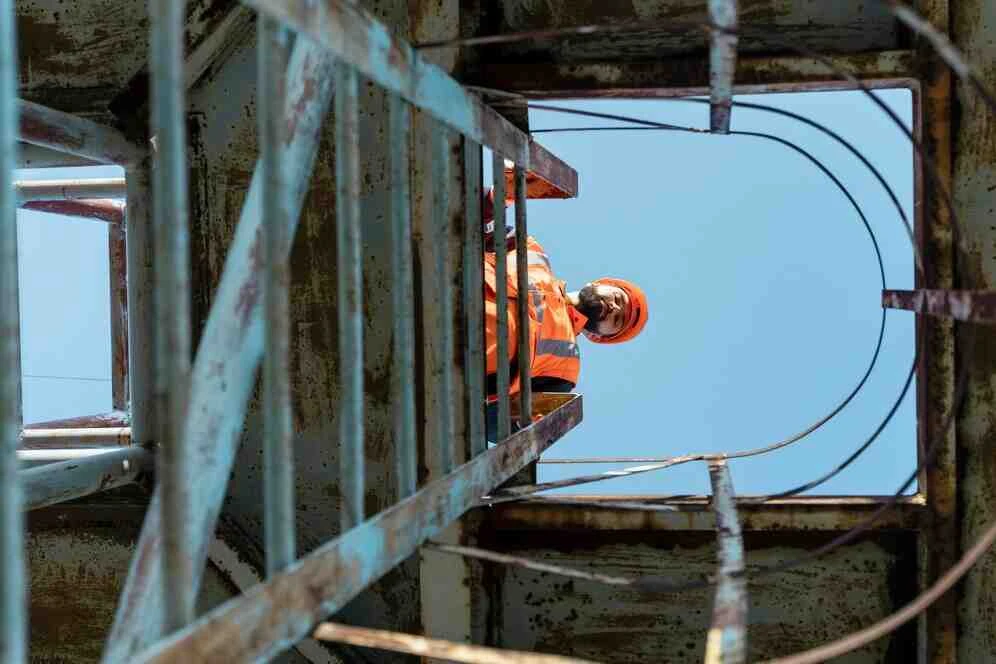
Explore fire safety in UK architecture. Learn about codes, fire-resistant materials, and design strategies to protect lives and property in architectural projects.

Discover the importance of designing inclusively in architecture. Learn how to meet the unique needs of disabled individuals and create accessible spaces for all.
Sign up to start winning an unlimited amount of jobs near you.


 Electrician
Gas Engineer
Electrician
Gas Engineer


Send more enquiries and explore your options
Increasing the number of potentials leads for you!
Have more control and flexibility over your finances!