


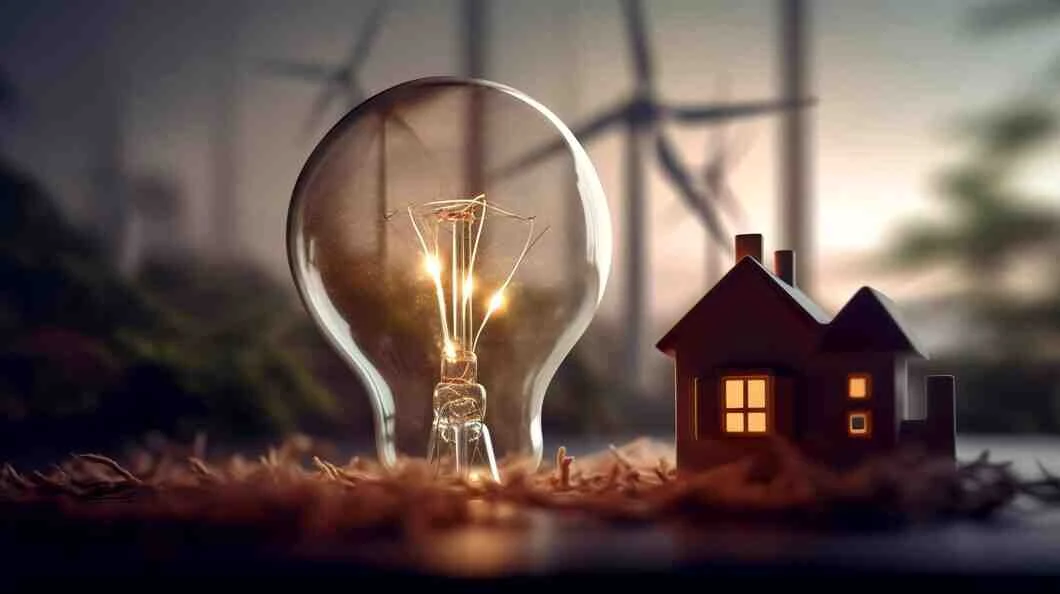
1. Passive Solar Design
Passive solar design is a fundamental architectural approach that harnesses the sun"s energy to heat and cool a home naturally. It optimizes the building"s orientation, layout, and materials to maximize energy efficiency.
1.1. South-Facing Windows: Design your home with most windows facing south to capture the maximum amount of sunlight during the winter months. This helps with heating your home passively.
1.2. Thermal Mass: Incorporate thermal mass materials like concrete, stone, or tile in your home"s design to absorb and store heat during the day and release it slowly at night, maintaining a comfortable temperature.
1.3. Overhangs and Shading: Use overhangs, awnings, or deciduous trees strategically to provide shade during the summer, reducing cooling loads while allowing sunlight in during the winter.
2. Proper Insulation and Air Sealing
Effective insulation and air sealing are essential architectural elements that create a thermal envelope, preventing heat loss in the winter and heat gain in the summer.
2.1. High-Performance Insulation: Choose high-quality insulation materials for walls, roofs, and floors to maintain stable indoor temperatures.
2.2. Air Sealing: Properly seal gaps, cracks, and openings to prevent drafts and air leaks, reducing the need for constant heating or cooling.
3. Energy-Efficient Windows and Doors
Windows and doors play a significant role in energy efficiency. Choosing the right type and properly installing them is crucial.
3.1. Double-Glazed or Low-E Windows: Install double-glazed windows with low-emissivity (Low-E) coatings to reduce heat transfer, maintaining comfortable indoor temperatures.
3.2. Thermal Breaks: Ensure that windows and doors have thermal breaks to prevent heat from conducting through frames.
3.3. Sealing and Weatherstripping: Regularly maintain seals and weatherstripping to prevent drafts and air leakage around windows and doors.
4. Energy-Efficient HVAC Systems
Architectural design can influence the selection and efficiency of heating, ventilation, and air conditioning (HVAC) systems.
4.1. Proper Sizing: Design the home with an appropriately sized HVAC system to match the building"s heating and cooling loads, avoiding overuse or inefficiency.
4.2. Zoning: Incorporate zoning systems to control heating and cooling in different areas of the home independently, optimizing energy use.
4.3. Ductwork Design: Ensure efficient ductwork design, minimizing air leakage and heat loss.
5. Natural Ventilation and Cross-Ventilation
Architects can design homes to facilitate natural ventilation and cross-ventilation, reducing the need for mechanical cooling.
5.1. Operable Windows: Include operable windows in areas where cross-ventilation is possible, allowing fresh air to circulate.
5.2. Ventilation Strategies: Utilize stack ventilation, where warm air rises and exits through high windows or vents, while cooler air enters from lower openings.
6. Energy-Efficient Lighting and Appliances
Architects can incorporate energy-efficient lighting and appliance design into the home"s layout.
6.1. Daylighting: Design spaces to maximize natural light, reducing the need for artificial lighting during the day.
6.2. LED Lighting: Specify LED lighting fixtures, which are highly energy-efficient and last longer than traditional incandescent bulbs.
6.3. Energy-Star Appliances: Encourage the use of Energy-Star-rated appliances, which consume less energy and water.
7. Renewable Energy Integration
Architectural design can facilitate the integration of renewable energy sources, such as solar panels and wind turbines.
7.1. Roof Space: Ensure there is sufficient roof space and orientation to accommodate solar panels for electricity generation.
7.2. Wind Patterns: Consider local wind patterns and feasibility for small-scale wind turbines if suitable for your location.
8. Building Orientation and Site Planning
The orientation of your home on the site and its surroundings can have a significant impact on energy efficiency.
8.1. Site Selection: Choose a site that takes advantage of natural features like prevailing winds, sunlight, and natural shading.
8.2. Microclimates: Understand the microclimates within your site to optimize outdoor living spaces and minimize heat gain.
9. Green Building Materials
Architects can select sustainable and energy-efficient building materials to reduce environmental impact and improve energy performance.
9.1. Low-Energy Materials: Choose materials with low embodied energy and consider recycled or reclaimed materials where possible.
9.2. Thermal Insulation: Prioritize materials with high R-values for better thermal performance.
10. Continuous Monitoring and Maintenance
Architects can plan for ongoing monitoring and maintenance of energy-efficient features to ensure they remain effective.
10.1. Home Energy Management Systems: Incorporate home energy management systems that allow homeowners to monitor and control energy usage.
10.2. Regular Inspections: Schedule regular inspections and maintenance to identify and address any energy efficiency issues.
Conclusion
The impact of architecture on energy efficiency in your home cannot be overstated. A well-designed, energy-efficient home not only reduces your environmental footprint but also enhances your comfort and lowers your energy bills. By working closely with architects and designers who prioritize energy efficiency and sustainable practices, homeowners can create living spaces that are not only aesthetically pleasing but also promote responsible and sustainable living. In an era where sustainability and energy conservation are critical, making informed architectural choices can make a significant difference in your home"s performance and your overall quality of life.
Your home is not just a place to live; it"s an expression of your personality and style. One of the most exciting aspects of homeownership is choosing the architectural style that best reflects your t...

Selecting the right architect is a pivotal step in ensuring the success of your construction project, whether it"s a commercial venture or a home improvement project. Architects play a crucial role in...

Architectural design is a complex and creative process that transforms ideas and concepts into tangible structures that shape our built environment. Whether it"s a stunning skyscraper, a sustainable h...

Embarking on an architectural project, whether it"s designing your dream home, renovating a commercial space, or constructing a public building, demands meticulous financial planning. Budgeting is a c...
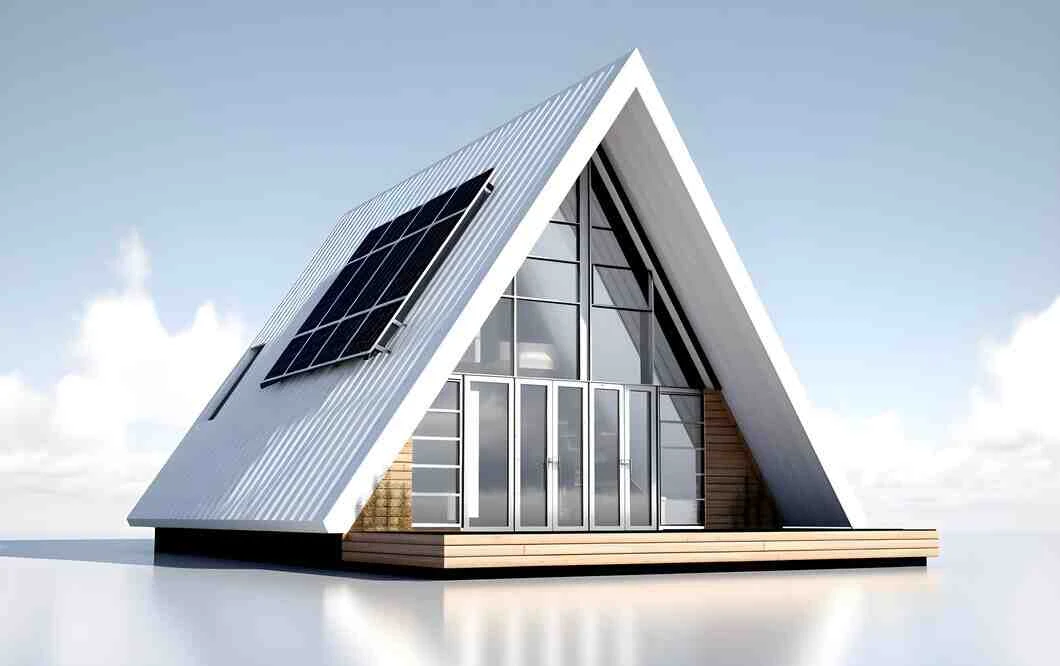
In an era where environmental concerns are at the forefront of our global consciousness, the concept of sustainable architecture has gained significant traction. Sustainable architecture, often referr...
Embarking on a home improvement project can be an exciting but challenging endeavor. When it comes to significant changes, two primary options often come to mind: renovating your existing home or buil...
Sign up to start winning an unlimited amount of jobs near you.


 Electrician
Gas Engineer
Electrician
Gas Engineer


Send more enquiries and explore your options
Increasing the number of potentials leads for you!
Have more control and flexibility over your finances!