


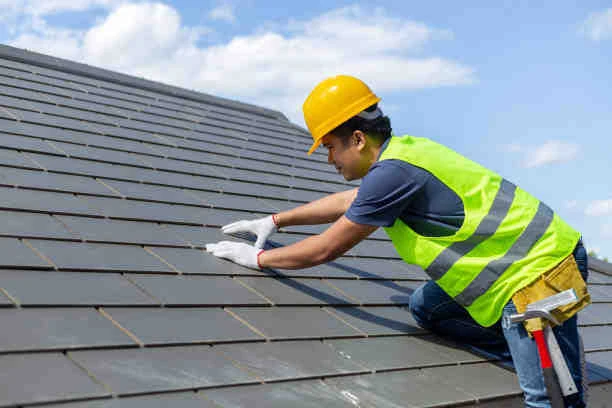
**The Importance of Proper Waste Disposal**
1. **Environmental Impact**: Inadequate waste disposal practices can have adverse environmental consequences. Roofline materials may contain hazardous substances, and improper disposal can lead to soil and water contamination.
2. **Legal Compliance**: Compliance with local and national waste disposal regulations is a legal requirement. Failing to dispose of waste properly can result in fines, project delays, and damage to your reputation.
3. **Public Health and Safety**: Poor waste management can pose health and safety risks to workers, clients, and the public. Exposed waste can lead to accidents, injuries, and the spread of diseases.
**Guidance for Proper Waste Disposal in Roofline Work**
1. **Plan Ahead**: Include waste disposal planning in your project"s early stages. Estimate the type and quantity of waste that will be generated to determine the most appropriate disposal methods.
2. **Separation and Recycling**: Segregate waste materials as much as possible on the job site. Separating recyclable materials, like metals or clean wood, from non-recyclables can reduce the environmental impact and decrease disposal costs.
3. **Dispose of Hazardous Materials Properly**: Some roofline materials, such as asbestos, may be hazardous. Ensure that hazardous waste is managed and disposed of following specific guidelines, which typically involve specialized disposal services.
4. **Licensed Waste Removal Services**: Work with licensed waste removal services that are experienced in handling construction waste. They can ensure that materials are transported, treated, and disposed of in an environmentally responsible manner, in compliance with regulations.
5. **Dumpsters and Containers**: Use appropriate containers and dumpsters to store waste materials. Ensure that they are clearly labeled and positioned to minimize interference with ongoing work.
6. **Education and Training**: Train your team on the importance of proper waste disposal and provide clear guidelines for waste management. Encourage responsible practices on the job site.
7. **Reuse Materials**: Whenever possible, reuse materials from the roofline project. Salvaging materials like roofing tiles or wooden fascia can reduce the need for disposal and help the environment.
8. **Monitoring and Reporting**: Implement a system to track and report on waste management practices. This can help identify areas for improvement and ensure accountability.
9. **Follow Local Regulations**: Research local regulations for waste disposal, which may include guidelines for recycling, hazardous materials, and waste disposal facilities. Compliance is essential to avoid legal consequences.
10. **Support Sustainable Practices**: Invest in sustainable and environmentally friendly roofline materials whenever possible. Sustainable options not only benefit the environment but can also be attractive to clients who prioritize eco-conscious practices.
Conclusion
Proper waste disposal in roofline work is a responsibility that should not be overlooked. It is crucial for environmental protection, legal compliance, public safety, and sustainable construction practices. By planning ahead, separating materials, disposing of hazardous waste properly, and collaborating with licensed waste removal services, roofline professionals can effectively manage waste while contributing to a cleaner, safer, and more sustainable construction industry. Proper waste disposal not only reflects responsible business practices but also helps to preserve the environment for future generations.

Architects play a pivotal role in designing buildings that are not only aesthetically pleasing but also safe and functional. One of the crucial aspects of architectural design is ensuring compliance w...
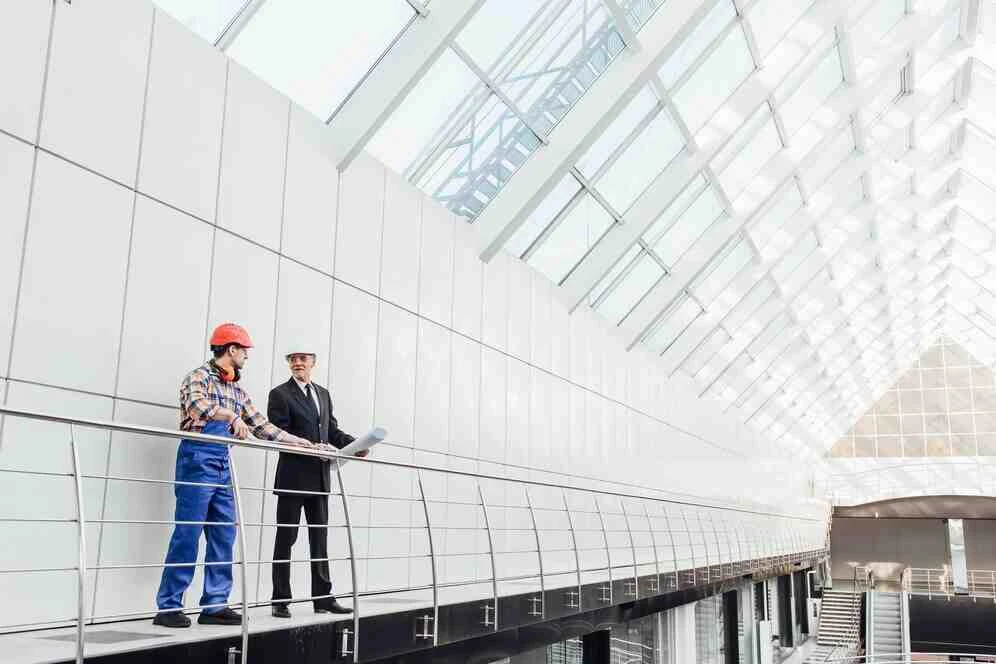
In the realm of architectural design, aesthetics, and functionality often take center stage. However, a paramount concern that should never be overlooked is safety. The safety of occupants and users i...
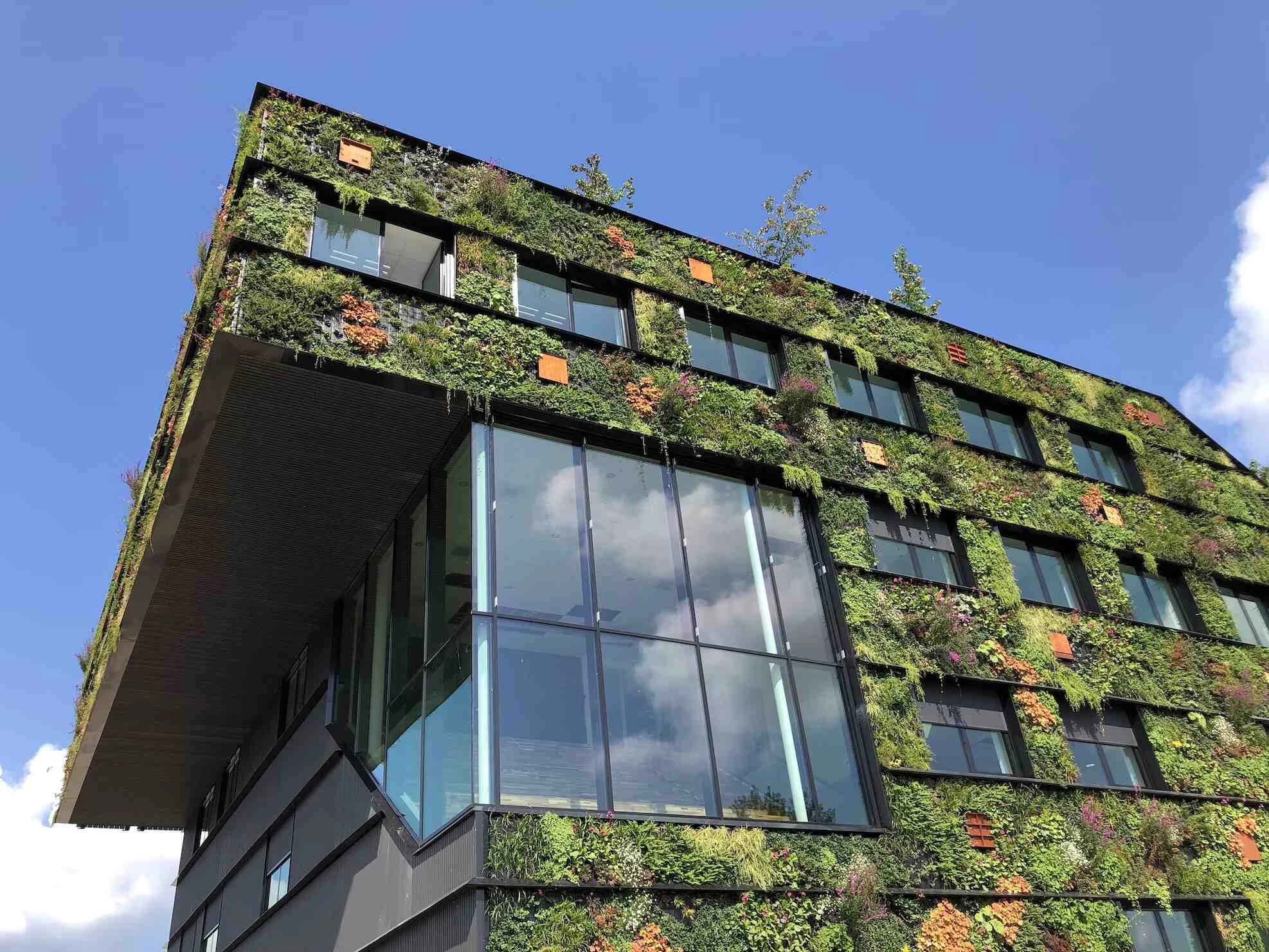
Explore the delicate balance between sustainability innovation and safety regulations in architectural design. Discover how architects create eco-friendly yet safe spaces.
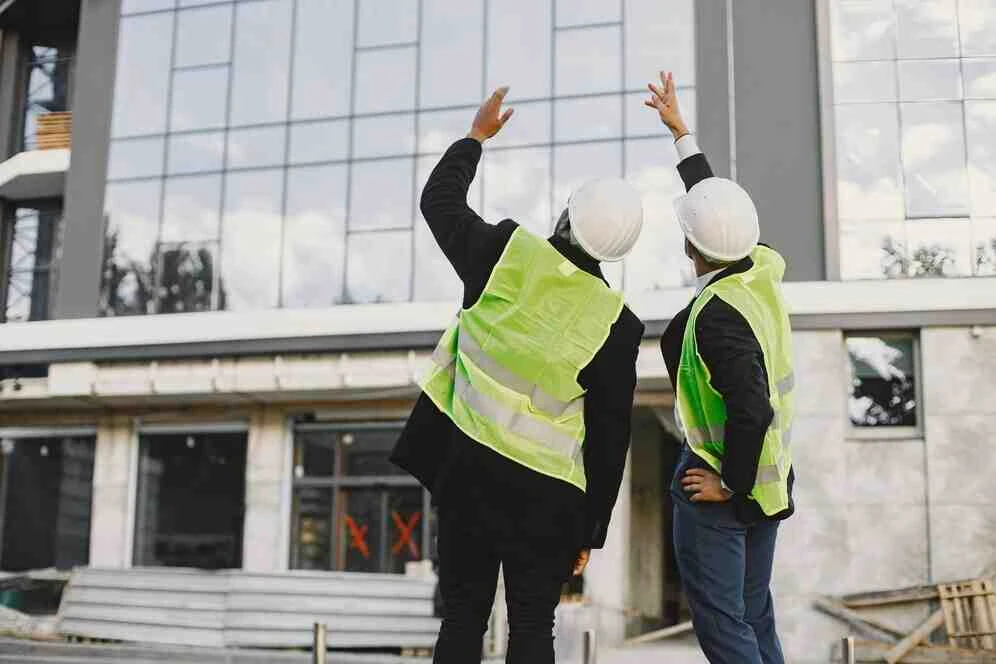
Discover the latest seismic safety innovations for architects in the UK. Stay informed to design resilient structures in low-seismic-risk regions.
Explore fire safety in UK architecture. Learn about codes, fire-resistant materials, and design strategies to protect lives and property in architectural projects.

Discover the importance of designing inclusively in architecture. Learn how to meet the unique needs of disabled individuals and create accessible spaces for all.
Sign up to start winning an unlimited amount of jobs near you.


 Electrician
Gas Engineer
Electrician
Gas Engineer


Send more enquiries and explore your options
Increasing the number of potentials leads for you!
Have more control and flexibility over your finances!