

1. **Fall Protection Equipment**
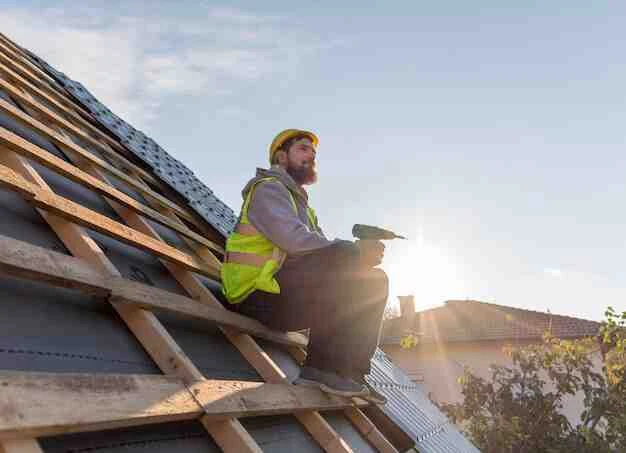
Working at heights poses a significant risk in roofline installations. Fall protection equipment is vital to prevent accidents and injuries. Key components include:
- **Safety Harness:** Roofline professionals should wear a full-body safety harness that is properly fitted and anchored to a secure point. It provides support in case of a fall.
- **Safety Lanyard:** A safety lanyard connects the harness to an anchor point, allowing freedom of movement while maintaining safety.
- **Roof Anchors:** Secure anchors on the roof"s structure that can support the weight of a falling worker. These are critical for ensuring the effectiveness of the safety harness.
2. **Protective Clothing**
Roofline professionals should wear protective clothing that shields them from various hazards. This includes:
- **Safety Helmets:** Hard hats or safety helmets protect against head injuries caused by falling objects or accidental bumps.
- **Eye Protection:** Safety goggles or face shields protect the eyes from debris, dust, and chemical splashes.
- **Gloves:** Durable, non-slip gloves provide grip and protection against sharp or abrasive materials.
- **Footwear:** Steel-toed boots with slip-resistant soles are essential for safe footing and protection against falling objects.
3. **Respiratory Protection**
Roofline installations often involve the use of materials and substances that may release harmful dust or fumes. Roofline professionals should have access to:
- **Respirators:** High-quality respirators protect against airborne particles and fumes, ensuring clean and safe breathing.
4. **Hand Tools and Power Equipment**
The right tools and equipment are essential for performing roofline installations safely and efficiently. These include:
- **Roofing Nailers:** Nail guns specifically designed for roofing ensure quick and precise fastening of materials.
- **Roofing Knives:** Roofline professionals should have access to sharp and reliable roofing knives for cutting and shaping materials.
- **Ladders:** Sturdy, non-slip ladders that provide safe access to various parts of the roof.
- **Fall Arrest Systems:** In addition to personal fall protection equipment, a fall arrest system can be set up on the roof to arrest the fall of a worker in case of an accident.
5. **Tool Belts and Safety Harness Attachments**
To avoid overreaching, roofline professionals should use tool belts or harness attachments for carrying and securing their tools and equipment. This minimizes the risk of losing balance or falling while working on the roof.
6. **First Aid Kits**
Having a comprehensive first aid kit on-site is essential for addressing minor injuries or providing initial care in case of accidents. It should include bandages, antiseptics, pain relievers, and other basic medical supplies.
Conclusion
The safety gear and equipment used by roofline professionals are more than just tools; they are lifelines that protect against potential dangers and hazards while working at heights and handling roofing materials. Roofline safety is not only a matter of personal well-being but also crucial for the quality of the work performed. Employers and professionals in this field must prioritize safety by providing and wearing the appropriate gear and equipment. By doing so, they can ensure that roofline installations are carried out efficiently and without compromising the well-being of the workers involved.

Architects play a pivotal role in designing buildings that are not only aesthetically pleasing but also safe and functional. One of the crucial aspects of architectural design is ensuring compliance w...
In the realm of architectural design, aesthetics, and functionality often take center stage. However, a paramount concern that should never be overlooked is safety. The safety of occupants and users i...

Explore the delicate balance between sustainability innovation and safety regulations in architectural design. Discover how architects create eco-friendly yet safe spaces.
Discover the latest seismic safety innovations for architects in the UK. Stay informed to design resilient structures in low-seismic-risk regions.
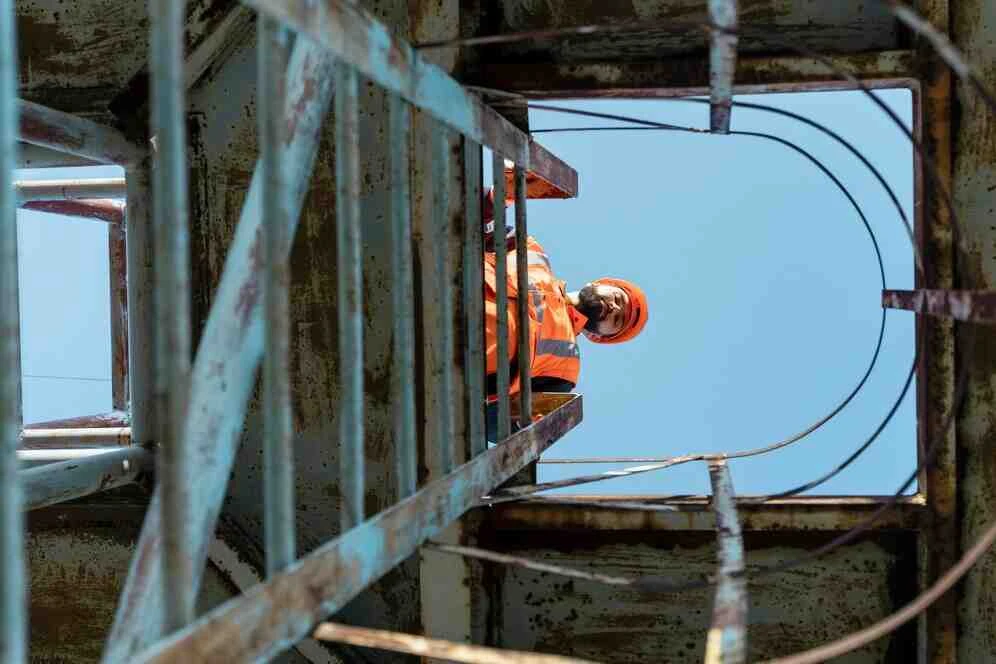
Explore fire safety in UK architecture. Learn about codes, fire-resistant materials, and design strategies to protect lives and property in architectural projects.
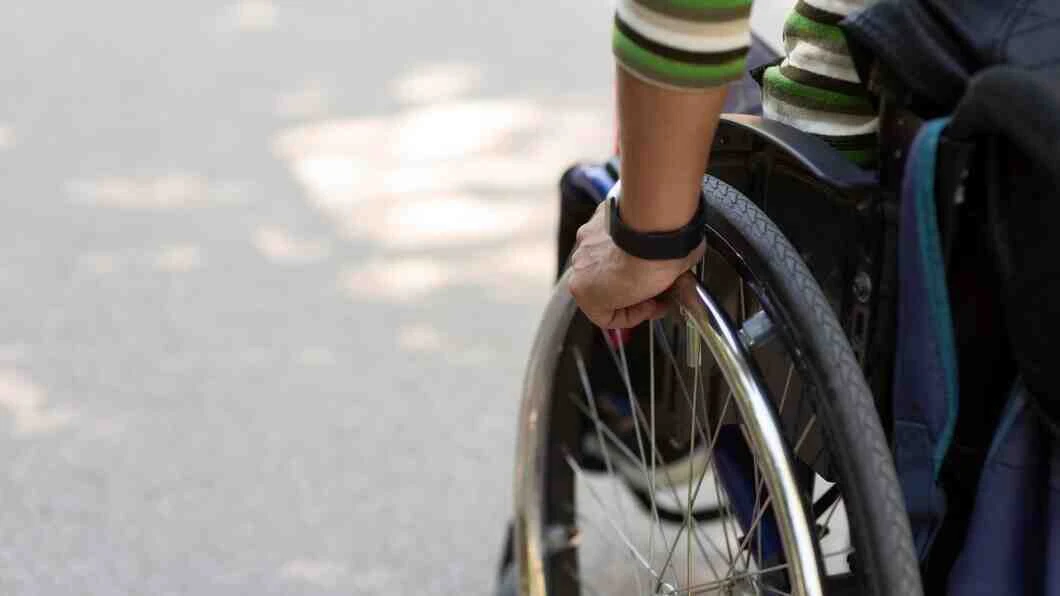
Discover the importance of designing inclusively in architecture. Learn how to meet the unique needs of disabled individuals and create accessible spaces for all.
Sign up to start winning an unlimited amount of jobs near you.


 Electrician
Gas Engineer
Electrician
Gas Engineer


Send more enquiries and explore your options
Increasing the number of potentials leads for you!
Have more control and flexibility over your finances!