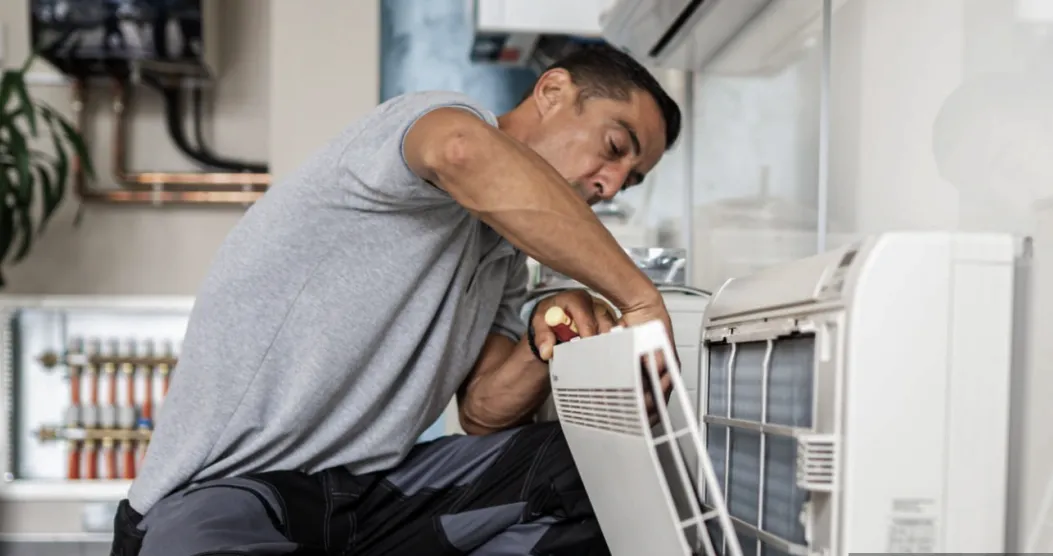


1. Personal Protective Equipment (PPE)
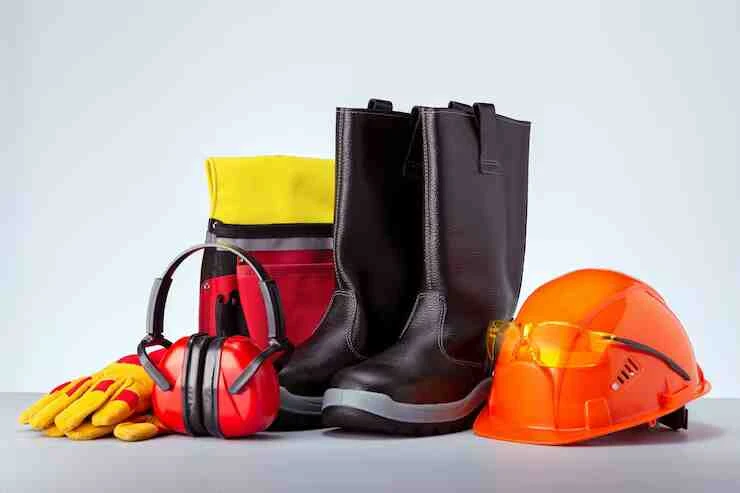
Personal Protective Equipment is the first line of defense for paving professionals. Here are some key items:
a. **Hard Hats:** Hard hats protect against head injuries from falling objects or overhead hazards.
b. **High-Visibility Clothing:** Reflective vests and clothing make workers more visible, reducing the risk of accidents.
c. **Steel-Toed Boots:** These provide protection for the feet against heavy equipment and materials.
d. **Gloves:** Gloves protect hands from hot materials, sharp objects, and chemicals.
e. **Hearing Protection:** Paving work can be loud, and hearing protection, like earplugs or earmuffs, guards against hearing loss.
f. **Eye Protection:** Safety glasses or goggles shield the eyes from debris, chemicals, and harmful UV rays.
2. Respiratory Protection
Paving professionals often work with materials that release harmful fumes, dust, and particulate matter. Respiratory protection is crucial, and it may include:
a. **Respirators:** Depending on the materials used, workers may need disposable masks or more advanced respirators with filters to prevent inhalation of harmful substances.
3. High-Quality Workwear
High-quality workwear is essential to withstand the demands of the job and provide additional protection:
a. **Coveralls:** Coveralls protect against dirt, chemicals, and extreme temperatures. They can be disposable or reusable, depending on the project.
b. **Rain Gear:** For projects in wet or rainy conditions, waterproof jackets, pants, and boots are essential to keep workers dry and comfortable.
c. **Sun Protection:** Sunscreen, wide-brimmed hats, and sunglasses protect against the sun"s harmful UV rays, especially in hot climates.
4. Safety Footwear
Safety footwear, such as steel-toed boots or composite-toed boots, provides protection against heavy equipment, falling objects, and hazardous materials. They are essential for preventing foot injuries on the job.
5. Equipment Safety Features
Paving equipment should also come equipped with built-in safety features, including:
a. **Backup Alarms:** These alert workers when equipment is moving in reverse.
b. **Roll-Over Protection Systems (ROPS):** ROPS are designed to protect operators in the event of equipment tipping or rolling over.
c. **Seat Belts:** Operators should always wear seat belts when operating heavy machinery.
6. Safety Signs and Barricades
Clearly marked safety signs and barricades are crucial for ensuring a safe work environment. They help to alert both workers and the public to potential hazards and construction zones.
7. Emergency Response Kits
Every paving site should have access to emergency response kits that include first aid supplies, fire extinguishers, and spill kits to address accidents and injuries promptly.
Conclusion
Safety gear and equipment are not just accessories but fundamental tools for paving professionals to perform their jobs safely and effectively. Protecting these essential workers from the various hazards they encounter daily is a responsibility that should be taken seriously. By providing and properly using the right safety gear and equipment, paving professionals can work with confidence, knowing they are well-protected, while also ensuring that our roadways and surfaces are constructed and maintained with the utmost care and safety in mind. It is a win-win for everyone, as safe workers ultimately lead to safer and better-quality paving projects for our communities.

Architects play a pivotal role in designing buildings that are not only aesthetically pleasing but also safe and functional. One of the crucial aspects of architectural design is ensuring compliance w...

In the realm of architectural design, aesthetics, and functionality often take center stage. However, a paramount concern that should never be overlooked is safety. The safety of occupants and users i...

Explore the delicate balance between sustainability innovation and safety regulations in architectural design. Discover how architects create eco-friendly yet safe spaces.
Discover the latest seismic safety innovations for architects in the UK. Stay informed to design resilient structures in low-seismic-risk regions.
Explore fire safety in UK architecture. Learn about codes, fire-resistant materials, and design strategies to protect lives and property in architectural projects.

Discover the importance of designing inclusively in architecture. Learn how to meet the unique needs of disabled individuals and create accessible spaces for all.
Sign up to start winning an unlimited amount of jobs near you.


 Electrician
Gas Engineer
Electrician
Gas Engineer


Send more enquiries and explore your options
Increasing the number of potentials leads for you!
Have more control and flexibility over your finances!