


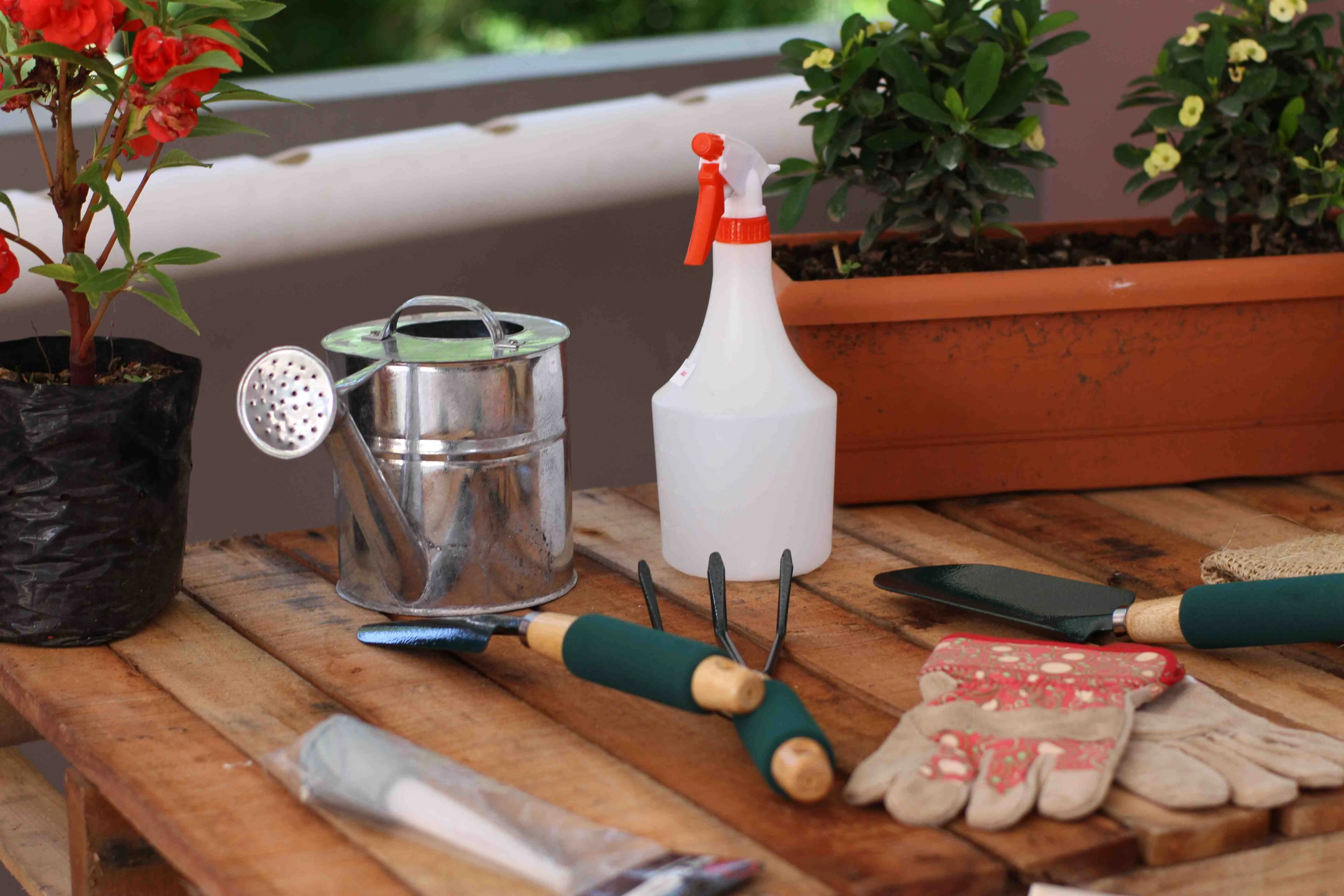
The Importance of Safety Gear in Gardening
Gardening and landscaping tasks often involve activities that carry inherent risks, such as working with sharp tools, heavy materials, and potentially harmful chemicals. Safety gear is essential to mitigate these risks and ensure that you can focus on your work without unnecessary concerns about personal safety. Here are some of the critical reasons why safety gear is a must for garden professionals:
1. Injury Prevention: Safety gear helps prevent injuries, such as cuts, abrasions, punctures, and sprains, that can occur during gardening tasks.
2. Protection from the Elements: Outdoor work exposes you to the elements. Proper gear can protect you from sunburn, heatstroke, cold-related injuries, and more.
3. Respiratory Protection: When working with pesticides, herbicides, or dust, respiratory protection prevents inhalation of harmful particles.
4. Enhanced Visibility: High-visibility gear is essential for garden professionals working near roads or in areas with vehicular traffic.
5. Hearing Protection: Loud equipment like lawnmowers and chainsaws can damage your hearing over time. Ear protection is crucial for long-term health.
Essential Safety Gear and Equipment for Garden Professionals
1. Protective Clothing
- Gloves: Durable, well-fitting gloves protect your hands from thorns, sharp tools, and abrasive materials.
- Long-Sleeved Shirts and Pants: These provide additional protection against the sun and physical hazards.
- Safety Vests: High-visibility vests enhance visibility, particularly when working near roadways.
2. Footwear
- Steel-Toed Boots: These protect your feet from heavy objects and sharp tools. Choose slip-resistant soles for added safety.
3. Head Protection
- Hard Hat: Essential for professionals working around falling debris, overhanging branches, or in potentially hazardous environments.
4. Eye and Face Protection
- Safety Glasses or Goggles: Shield your eyes from flying debris, chemicals, and UV rays.
- Face Shield: Protects your face from larger particles, chemicals, or flying objects when using power tools.
5. Respiratory Protection
- Dust Mask: Essential for protecting your lungs when working in dusty environments.
- Respirators: Required for professionals handling pesticides or chemicals. Use the appropriate respirator type and cartridge.
6. Hearing Protection
- Earplugs or Earmuffs: Guard against hearing loss from prolonged exposure to loud equipment.
7. Sun Protection
- Wide-Brimmed Hat: Shields your face and neck from the sun"s harmful rays.
- Sunscreen: Protects your skin from sunburn and the risk of skin cancer.
8. Knee Pads
- Gardening often involves kneeling, which can be hard on your knees. Knee pads provide cushioning and reduce the risk of injury.
9. First Aid Kit
- A well-stocked first aid kit should always be within easy reach. It"s essential for treating minor injuries promptly.
10. Insect Repellent
- Protect yourself from insect bites, which can carry diseases, especially in outdoor environments.
Conclusion
Garden professionals work in a dynamic and sometimes unpredictable environment. Prioritizing safety gear and equipment is not only a smart business practice but also a commitment to your personal well-being. With the right gear, you can tackle your gardening tasks confidently, knowing that you are protected from potential hazards. Safety gear doesn"t just keep you safe; it enhances your overall effectiveness and ensures that you can continue creating beautiful outdoor spaces for your clients for years to come.

Architects play a pivotal role in designing buildings that are not only aesthetically pleasing but also safe and functional. One of the crucial aspects of architectural design is ensuring compliance w...

In the realm of architectural design, aesthetics, and functionality often take center stage. However, a paramount concern that should never be overlooked is safety. The safety of occupants and users i...

Explore the delicate balance between sustainability innovation and safety regulations in architectural design. Discover how architects create eco-friendly yet safe spaces.

Discover the latest seismic safety innovations for architects in the UK. Stay informed to design resilient structures in low-seismic-risk regions.

Explore fire safety in UK architecture. Learn about codes, fire-resistant materials, and design strategies to protect lives and property in architectural projects.

Discover the importance of designing inclusively in architecture. Learn how to meet the unique needs of disabled individuals and create accessible spaces for all.
Sign up to start winning an unlimited amount of jobs near you.


 Electrician
Gas Engineer
Electrician
Gas Engineer


Send more enquiries and explore your options
Increasing the number of potentials leads for you!
Have more control and flexibility over your finances!