

**1. Personal Protective Equipment (PPE)**
a. **Head Protection (Hard Hat):** A hard hat is a fundamental piece of protective gear. It guards against head injuries from falling objects, overhead obstacles, or even bumps against structures.
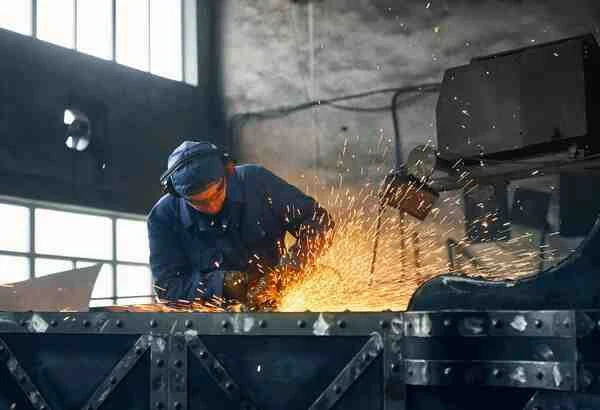
b. **Eye Protection (Safety Glasses):** Safety glasses shield the eyes from debris, dust, and potential flying objects. They are a must when cutting or drilling materials.
c. **Hearing Protection (Earplugs or Earmuffs):** Repeated exposure to loud machinery and tools can lead to hearing damage. Ear protection is crucial to prevent hearing loss.
d. **Respiratory Protection:** Dust and fumes from materials, particularly when cutting, can be harmful when inhaled. Dust masks or respirators help filter the air and protect the lungs.
e. **Hand Protection (Gloves):** Gloves provide protection against cuts, abrasions, and splinters, especially when handling materials and tools.
f. **Foot Protection (Steel-Toed Boots):** Steel-toed boots offer protection against crushing injuries to the feet and toes, a common risk in fence installation.
**2. Fall Protection**
a. **Safety Harness:** When working at heights, a safety harness with a lifeline attachment can prevent falls and severe injuries. Proper training on harness use is essential.
b. **Fall Arrest System:** A fall arrest system includes anchor points and a lanyard that stops a worker from falling if they slip or trip.
**3. Tools and Equipment**
a. **Safety Tools:** Ensure that all hand tools are in good condition. Damaged tools can cause accidents. Regularly inspect and maintain tools.
b. **Power Tools:** When using power tools for cutting, drilling, or digging, safety features like blade guards and safety switches should be in place and functional.
c. **Ladders and Scaffolding:** When working at heights, use proper ladders, scaffolding, or work platforms. Ensure they are stable, in good condition, and positioned correctly.
**4. Visibility and Communication**
a. **High-Visibility Clothing:** Wearing high-visibility vests or clothing is crucial when working in areas with vehicular traffic to ensure visibility and prevent accidents.
b. **Communication Equipment:** Establish clear communication channels among team members. Two-way radios can help coordinate work and respond to emergencies.
**5. First Aid Kit**
Every fencing professional should have access to a well-equipped first aid kit on-site. It should include bandages, antiseptics, pain relievers, and other essential items to treat minor injuries and manage emergencies until professional medical assistance arrives.
**6. Training and Certification**
Equipping fence professionals with the necessary safety gear and equipment is essential, but proper training is equally important. Ensure that all team members are adequately trained on the use of safety equipment, best practices, and emergency response procedures. Certification in first aid and CPR can be invaluable in emergency situations.
**Conclusion**
Safety gear and equipment are non-negotiable in the world of fence professionals. These items not only protect individuals from harm but also contribute to the quality and efficiency of the work. By investing in safety measures, fence professionals can reduce accidents and injuries, lower the risk of legal liabilities, and ensure the satisfaction of clients by delivering projects on time and with the highest standards of safety and quality.

Architects play a pivotal role in designing buildings that are not only aesthetically pleasing but also safe and functional. One of the crucial aspects of architectural design is ensuring compliance w...
In the realm of architectural design, aesthetics, and functionality often take center stage. However, a paramount concern that should never be overlooked is safety. The safety of occupants and users i...

Explore the delicate balance between sustainability innovation and safety regulations in architectural design. Discover how architects create eco-friendly yet safe spaces.
Discover the latest seismic safety innovations for architects in the UK. Stay informed to design resilient structures in low-seismic-risk regions.
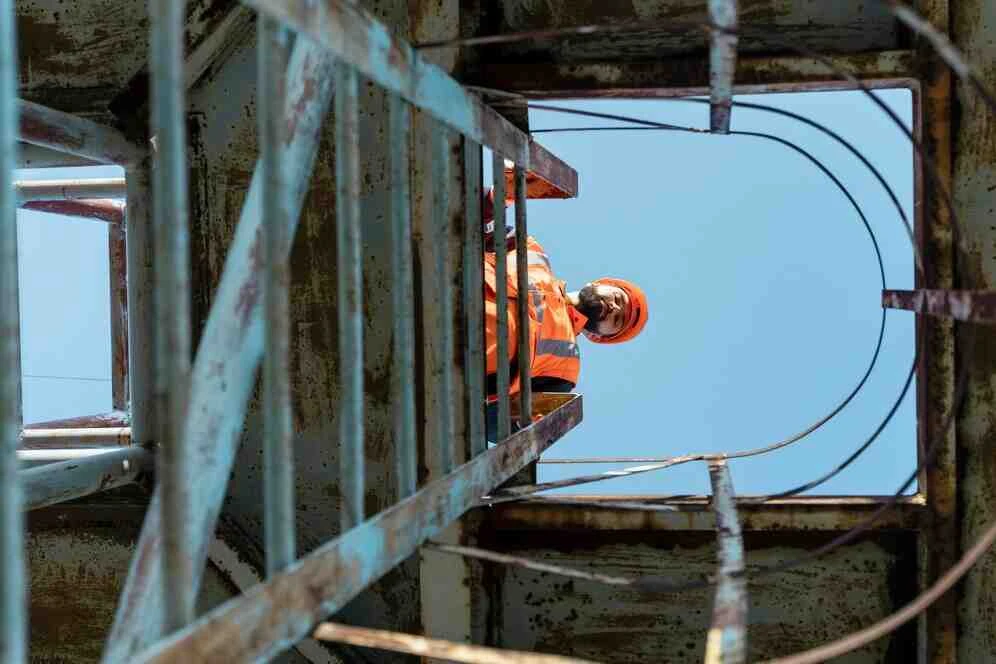
Explore fire safety in UK architecture. Learn about codes, fire-resistant materials, and design strategies to protect lives and property in architectural projects.
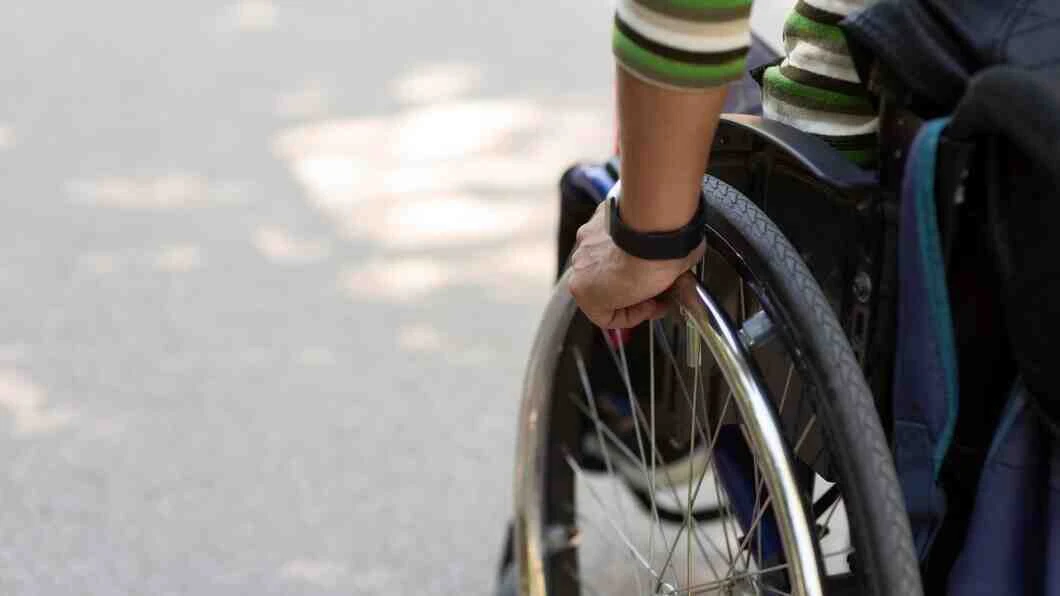
Discover the importance of designing inclusively in architecture. Learn how to meet the unique needs of disabled individuals and create accessible spaces for all.
Sign up to start winning an unlimited amount of jobs near you.


 Electrician
Gas Engineer
Electrician
Gas Engineer


Send more enquiries and explore your options
Increasing the number of potentials leads for you!
Have more control and flexibility over your finances!