

## The Importance of Safety Gear in Extension Projects
Extension professionals often find themselves working in diverse settings, from farms and agricultural facilities to laboratories and community development sites. In each of these environments, safety gear plays a crucial role in safeguarding the well-being of those involved. Here"s why safety gear matters:
### Injury Prevention
Safety gear, such as helmets, gloves, and protective clothing, helps prevent injuries. These items act as a barrier between the individual and potential hazards, reducing the risk of accidents and harm.
### Hazard Mitigation
In extension projects, professionals may encounter various hazards, including chemicals, heavy machinery, or environmental risks. Safety gear is designed to mitigate these hazards and provide protection against them.
### Compliance with Regulations
Many extension projects are subject to safety regulations and standards. Wearing the appropriate safety gear is not only good practice but also a legal requirement in many cases.
## Essential Safety Gear and Equipment
1. **Protective Clothing**:
- *Coveralls*: These full-body suits provide protection against dust, dirt, chemicals, and other contaminants.
- *Lab Coats*: Essential for laboratory work, lab coats protect against spills and exposure to hazardous substances.
2. **Head Protection**:
- *Helmets*: Helmets safeguard against head injuries and are essential when working in construction, agriculture, or any setting where objects may fall.
3. **Eye and Face Protection**:
- *Safety Glasses*: Protect the eyes from flying debris, chemicals, and other hazards.
- *Face Shields*: These provide additional protection for the face and are especially crucial in settings where there is a risk of splashes or projectiles.
4. **Hand Protection**:
- *Gloves*: There are various types of gloves available, including those designed for chemical resistance, cut protection, or thermal insulation. Choose the right type for the task at hand.
5. **Footwear**:
- *Safety Boots*: These offer protection against impact, punctures, and electrical hazards. Steel-toed boots are common in many industrial settings.
6. **Respiratory Protection**:
- *Respirators*: Used when working with airborne contaminants or in environments with poor air quality. Respirators should be selected based on the specific hazards present.
7. **Hearing Protection**:
- *Earplugs and Earmuffs*: Essential for extension professionals working in noisy environments, hearing protection helps prevent hearing loss and other auditory damage.
8. **Fall Protection**:
- *Safety Harnesses and Lanyards*: Crucial when working at heights, these prevent falls and reduce the risk of serious injuries.
9. **First Aid Kits**:
- Every extension professional should have access to a well-stocked first aid kit. It"s essential for providing immediate care in case of injuries or emergencies.
10. **Fire Safety Equipment**:
- Fire extinguishers, fire blankets, and other firefighting equipment should be available in areas where fire hazards exist.
## Training and Maintenance
Having the right safety gear is only half the battle. Extension professionals must be adequately trained in the proper use of this equipment. Regular maintenance and inspection of safety gear are equally important to ensure that it functions effectively when needed.
In conclusion, the safety gear and equipment for extension professionals are not mere accessories but essential tools for their well-being. Prioritizing safety ensures that these dedicated individuals can continue making a positive impact in their communities, agriculture, and the environment while minimizing the risks associated with their work. When it comes to extension projects, protecting the people who make a difference is the first step in achieving successful and sustainable outcomes.

Architects play a pivotal role in designing buildings that are not only aesthetically pleasing but also safe and functional. One of the crucial aspects of architectural design is ensuring compliance w...
In the realm of architectural design, aesthetics, and functionality often take center stage. However, a paramount concern that should never be overlooked is safety. The safety of occupants and users i...

Explore the delicate balance between sustainability innovation and safety regulations in architectural design. Discover how architects create eco-friendly yet safe spaces.
Discover the latest seismic safety innovations for architects in the UK. Stay informed to design resilient structures in low-seismic-risk regions.
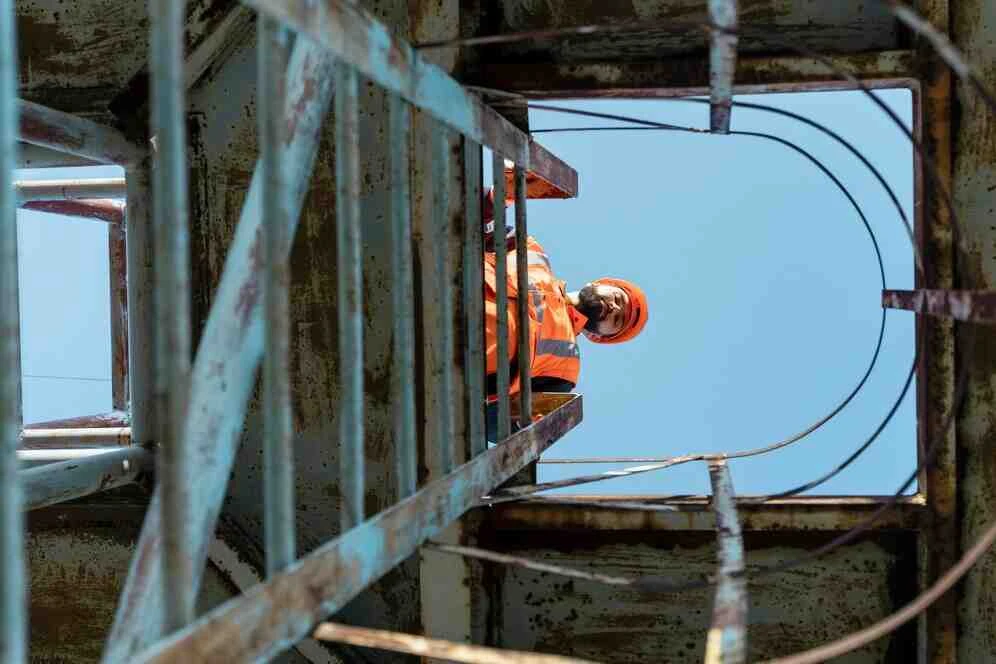
Explore fire safety in UK architecture. Learn about codes, fire-resistant materials, and design strategies to protect lives and property in architectural projects.
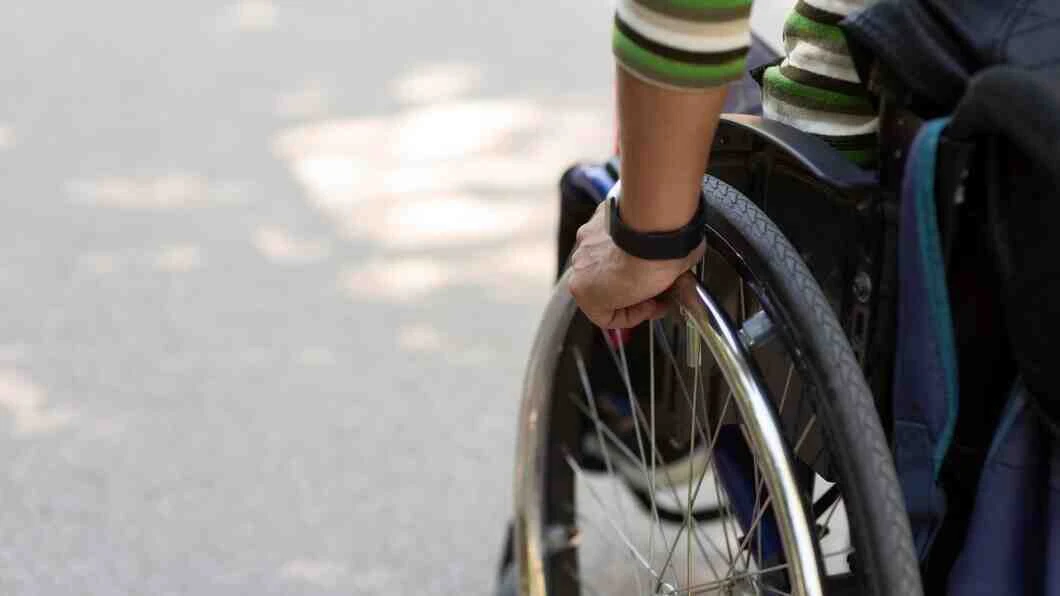
Discover the importance of designing inclusively in architecture. Learn how to meet the unique needs of disabled individuals and create accessible spaces for all.
Sign up to start winning an unlimited amount of jobs near you.


 Electrician
Gas Engineer
Electrician
Gas Engineer


Send more enquiries and explore your options
Increasing the number of potentials leads for you!
Have more control and flexibility over your finances!