

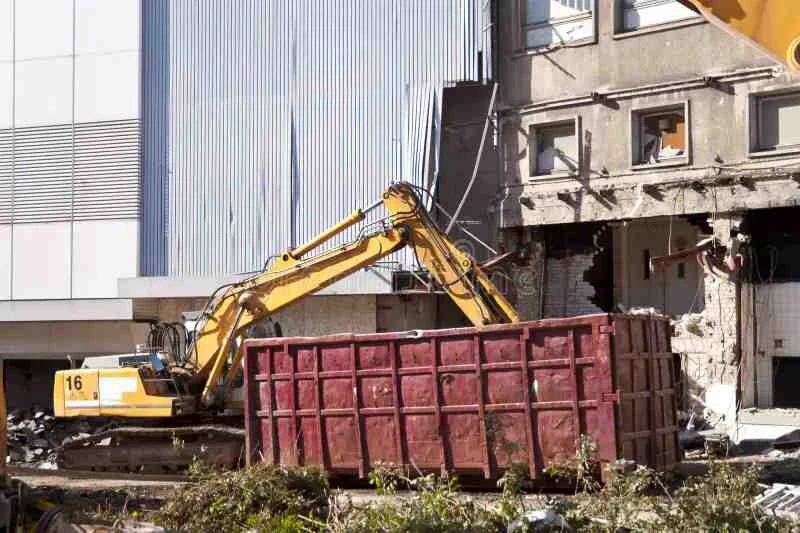
Personal Protective Equipment (PPE) Personal Protective Equipment is the first line of defense for demolition professionals. It includes various items designed to protect the worker from different hazards: a. Hard Hat: Protects the head from falling debris and other overhead hazards. b. Safety Glasses or Goggles: Shields the eyes from dust, debris, and foreign objects. c. Respiratory Protection: Dust masks or respirators are essential to protect against airborne particles and hazardous fumes. d. Hearing Protection: Earplugs or earmuffs to guard against the deafening noise of machinery. e. Gloves: High-quality gloves protect hands from cuts, abrasions, and chemicals. f. Steel-Toed Boots: Sturdy footwear to prevent injuries from falling objects or punctures. Fall Protection Equipment Working at heights is common in demolition. Fall protection gear is vital to prevent serious injuries: a. Safety Harness: A full-body harness with lanyards and connectors to secure the worker to a safe anchor point. b. Shock-Absorbing Lanyards: These reduce the impact force in the event of a fall. c. Safety Nets: Used in some scenarios to catch falling debris or workers. Eye and Face Protection Demolition work often creates airborne dust and debris, posing a significant risk to the eyes and face: a. Face Shields: Protects the face from flying debris, dust, and chemical splashes. b. Safety Goggles: Sealed goggles to prevent dust and debris from getting into the eyes. Respiratory Protection Demolition professionals are at risk of inhaling hazardous particles and fumes. Proper respiratory protection is crucial: a. Dust Masks: Protect against dust, but may not be sufficient for more severe airborne hazards. b. Respirators: Provide a higher level of protection, including filtering out hazardous fumes and gases. Demolition Tools and Equipment Demolition tools should be used with care and should include: a. Demolition Hammer or Jackhammer: Used to break concrete and masonry. b. Concrete Cutters and Saws: Used to cut through concrete and other tough materials. c. Sledgehammers and Pry Bars: For manual demolition work. First Aid Kit Every demolition site should have a well-stocked first aid kit, as accidents can happen even with the best safety measures in place. It should include: a. Bandages, gauze, and antiseptic wipes for wound care. b. Splinting materials for fractures. c. First aid manual and emergency contact information. Environmental Protection Equipment To protect the environment, demolition professionals should consider: a. Dust Control Systems: To minimize airborne dust and contaminants. b. Hazardous Material Cleanup Kits: For the safe disposal of materials like asbestos or lead-based paint. Safety Training Possessing the right gear is only half the equation. Proper safety training is crucial. Demolition professionals should be well-versed in the safe use of equipment, recognizing hazards, and responding to emergencies. Conclusion Demolition work is physically demanding and comes with inherent risks. The use of proper safety gear and equipment is not negotiable. It not only protects the lives and well-being of the workers but also safeguards the environment and surrounding communities. Safety should always be the top priority in demolition projects, and it begins with the right gear and equipment.

Architects play a pivotal role in designing buildings that are not only aesthetically pleasing but also safe and functional. One of the crucial aspects of architectural design is ensuring compliance w...

In the realm of architectural design, aesthetics, and functionality often take center stage. However, a paramount concern that should never be overlooked is safety. The safety of occupants and users i...

Explore the delicate balance between sustainability innovation and safety regulations in architectural design. Discover how architects create eco-friendly yet safe spaces.
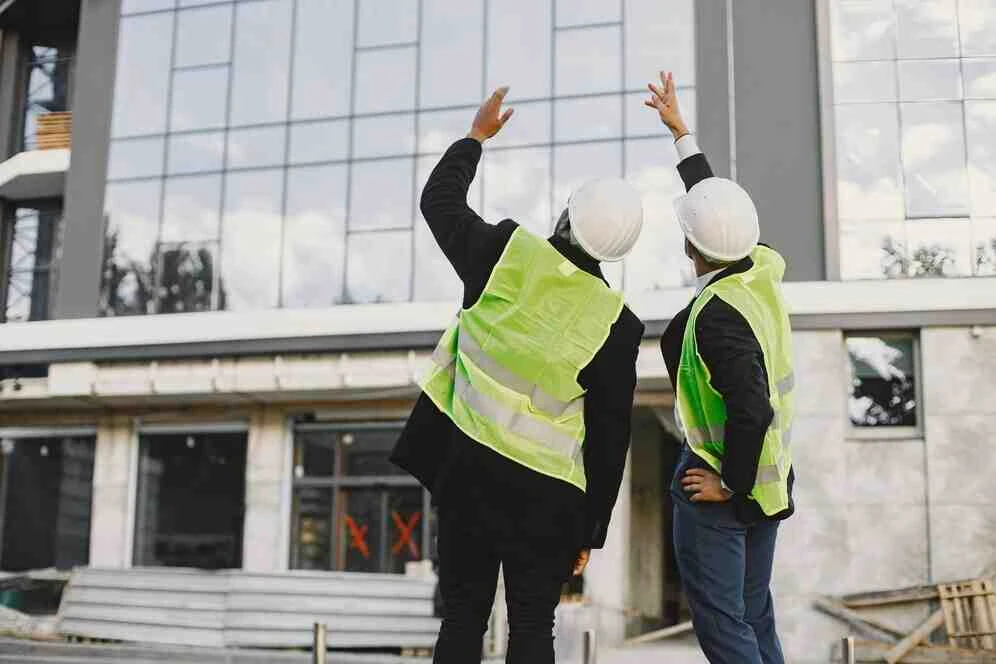
Discover the latest seismic safety innovations for architects in the UK. Stay informed to design resilient structures in low-seismic-risk regions.
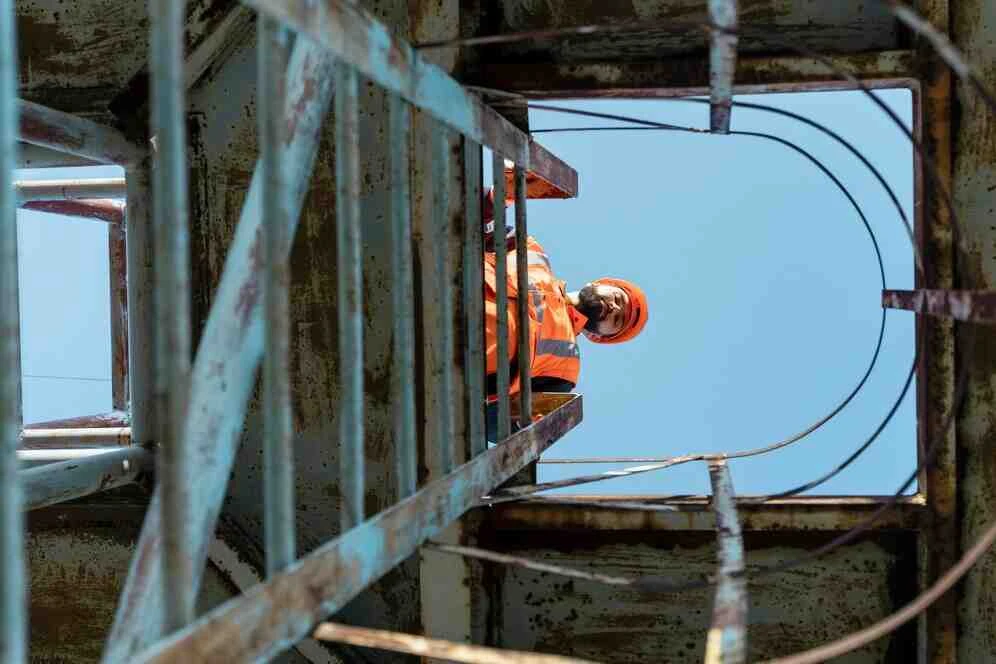
Explore fire safety in UK architecture. Learn about codes, fire-resistant materials, and design strategies to protect lives and property in architectural projects.
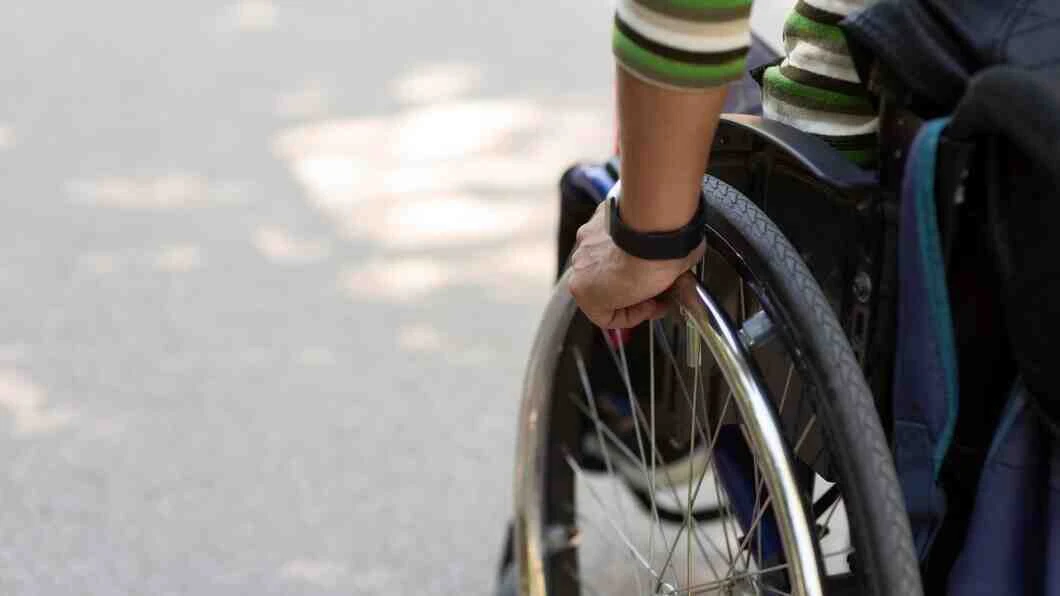
Discover the importance of designing inclusively in architecture. Learn how to meet the unique needs of disabled individuals and create accessible spaces for all.
Sign up to start winning an unlimited amount of jobs near you.


 Electrician
Gas Engineer
Electrician
Gas Engineer


Send more enquiries and explore your options
Increasing the number of potentials leads for you!
Have more control and flexibility over your finances!