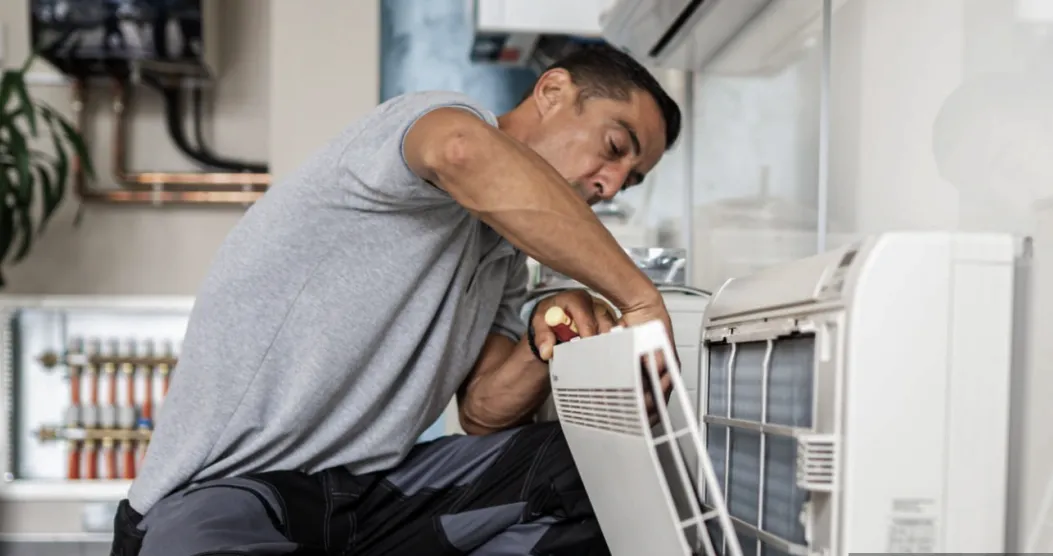



Understanding the Damp-Proofing Challenge
Before we dive into the world of safety gear, let"s take a moment to understand why damp-proofing is such a critical job. Dampness in buildings can lead to a host of problems, from structural damage to unhealthy living conditions. The presence of excess moisture can weaken building materials, lead to mold and mildew growth, and compromise indoor air quality. Damp-proofing professionals are tasked with preventing these issues, making their work invaluable in preserving the integrity and safety of homes and structures.
The Dangers of Damp-Proofing Work
While the goal of damp-proofing is to enhance safety, the job itself isn"t without its hazards. Damp-proofing professionals often work in challenging environments, including crawl spaces, basements, and confined areas. These conditions can expose them to various risks, including:
Physical Hazards: Damp-proofing often involves heavy lifting, which can lead to musculoskeletal injuries. The risk of slips, trips, and falls is also elevated due to the presence of moisture.
Chemical Exposure: The chemicals and sealants used in damp-proofing can be hazardous if not handled correctly. Proper protective gear is essential to minimize the risk of chemical burns or respiratory issues.
Mold and Fungal Growth: Damp environments are breeding grounds for mold and fungi. Professionals may encounter these allergenic or toxic substances, necessitating the right protective equipment.
Respiratory Issues: Damp-proofing work can release airborne particles and contaminants, affecting the respiratory health of professionals. Respiratory protection is crucial in such scenarios.
Essential Safety Gear and Equipment
To ensure the safety of damp-proofing professionals, it"s essential to have the right gear and equipment on hand. Here"s a comprehensive list of what should be part of every damp-proofing expert"s toolkit:
Personal Protective Equipment (PPE):
Safety Glasses: Protect the eyes from dust, debris, and chemical splashes.
Respirators: Prevent inhalation of harmful particles and chemicals.
Gloves: Shield the hands from chemicals and rough surfaces.
Coveralls: Ensure full-body protection from contaminants.
Footwear:
Steel-Toed Boots: Provide foot protection in case of heavy objects falling.
Non-Slip Soles: Reduce the risk of slips and falls on wet surfaces.
Fall Protection Equipment:
Safety Harnesses: Necessary when working at heights.
Fall Arrest Systems: Prevent severe injuries in case of falls.
Tools and Equipment:
Moisture Meters: Help in identifying and measuring moisture levels.
Sealant Applicators: Facilitate precise application of damp-proofing materials.
Work Lights: Ensure proper visibility in dimly lit areas.
First Aid Kit:
A well-stocked first aid kit is a must for dealing with minor injuries on-site.
Rescue Equipment:
In case of confined space work, having the right rescue equipment like harnesses, lifelines, and ventilation systems is vital.
Ventilation Systems:
Proper ventilation is crucial in confined spaces to prevent the buildup of harmful gases and ensure a safe working environment.
Training and Education:
Adequate training in the use of safety gear and equipment is essential. Damp-proofing professionals should be well-versed in safety protocols and emergency procedures.
Conclusion
Damp-proofing professionals play a pivotal role in maintaining the integrity and safety of our buildings. However, their work is not without risks, as they often operate in challenging environments with potential hazards. To mitigate these risks and ensure the safety of these professionals, the right safety gear and equipment are non-negotiable. From personal protective equipment to fall protection gear and rescue equipment, each item in their toolkit contributes to a safer and more effective work environment.
As we appreciate the vital work carried out by damp-proofing experts, we must also recognize the importance of providing them with the best tools to perform their job safely and efficiently. By prioritizing safety and equipping these professionals with the necessary gear and equipment, we can help them protect our homes and structures from the relentless threat of moisture, ensuring a dry and secure future for all.

Architects play a pivotal role in designing buildings that are not only aesthetically pleasing but also safe and functional. One of the crucial aspects of architectural design is ensuring compliance w...
In the realm of architectural design, aesthetics, and functionality often take center stage. However, a paramount concern that should never be overlooked is safety. The safety of occupants and users i...
Explore the delicate balance between sustainability innovation and safety regulations in architectural design. Discover how architects create eco-friendly yet safe spaces.
Discover the latest seismic safety innovations for architects in the UK. Stay informed to design resilient structures in low-seismic-risk regions.
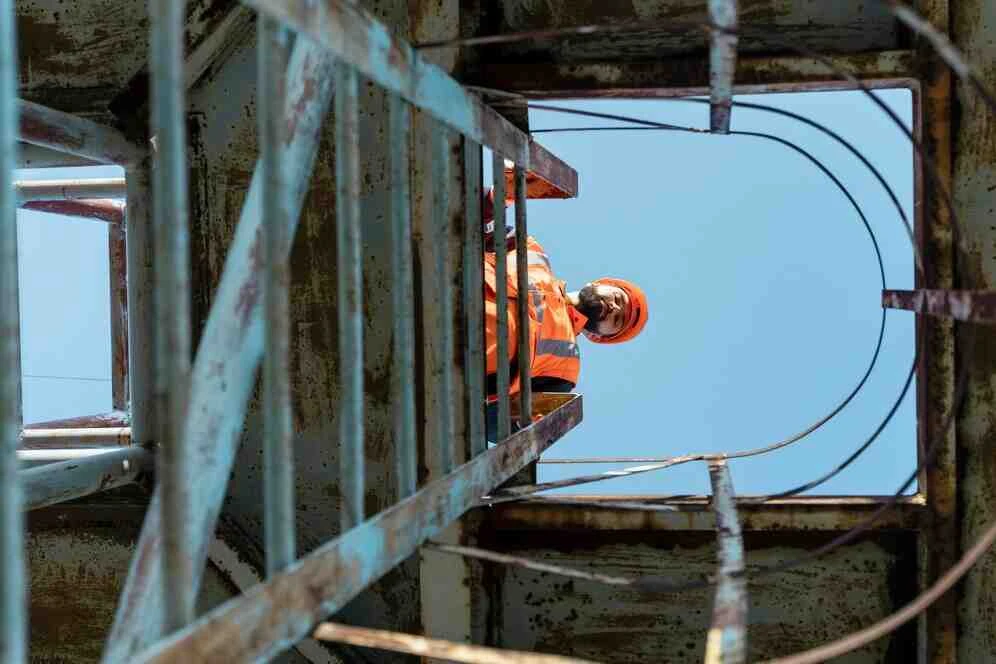
Explore fire safety in UK architecture. Learn about codes, fire-resistant materials, and design strategies to protect lives and property in architectural projects.
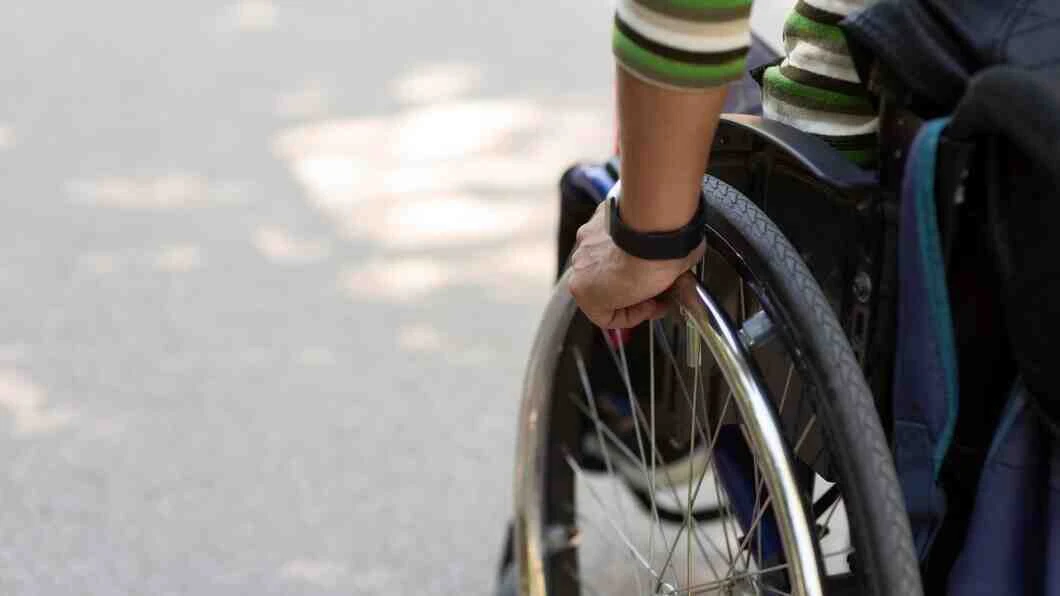
Discover the importance of designing inclusively in architecture. Learn how to meet the unique needs of disabled individuals and create accessible spaces for all.
Sign up to start winning an unlimited amount of jobs near you.


 Electrician
Gas Engineer
Electrician
Gas Engineer


Send more enquiries and explore your options
Increasing the number of potentials leads for you!
Have more control and flexibility over your finances!