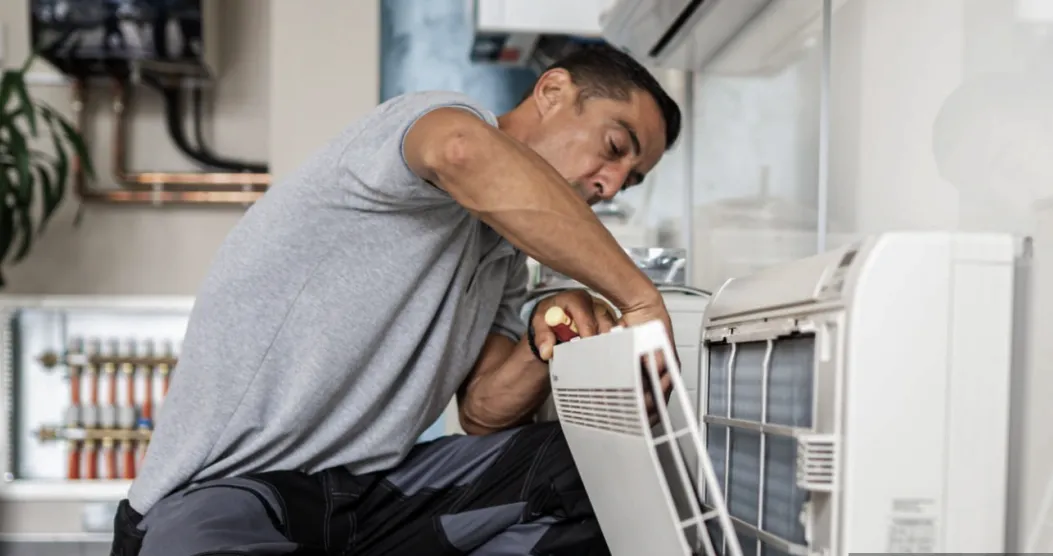



1. Protective Clothing
Working in a conservatory can expose professionals to various hazards, including broken glass, sharp edges, and potentially harmful chemicals. To minimize these risks, conservatory professionals should wear protective clothing. This includes:
a. Safety Glasses: Safety glasses or goggles protect the eyes from debris, glass shards, or any other hazardous materials. They are an essential addition to any conservatory professional"s wardrobe, safeguarding their vision in a workspace filled with glass.
b. Gloves: Durable gloves, such as cut-resistant gloves, help protect hands from sharp glass edges, thorns, and chemicals. Choose gloves made from materials that offer both comfort and safety.
c. Coveralls or Work Suits: Lightweight coveralls or work suits protect clothing and skin from dirt, glass fragments, and any potential exposure to chemicals used for cleaning or repairs.
d. Safety Shoes: Conservatory professionals should invest in sturdy, non-slip safety shoes to prevent falls and protect their feet from potential hazards. Look for options that are both comfortable and compliant with safety standards.
2. Ladders and Platforms
Conservatories often feature high ceilings and intricate structures, making ladders and platforms essential tools for access and maintenance. When using ladders and platforms, ensure they meet safety regulations and follow these guidelines:
a. Extension Ladders: Make sure the ladder is stable, placed on a level surface, and extends at least three feet above the landing surface. Always maintain three points of contact when ascending or descending.
b. Aerial Work Platforms: For more extensive tasks, aerial work platforms like scissor lifts or cherry pickers provide stable and safe access to elevated areas. Professionals must be trained to operate these machines safely.
c. Scaffolding: When using scaffolding, ensure it"s properly erected and secured. Regularly inspect for any loose or damaged components, and never exceed its weight capacity.
3. Fall Protection Equipment
Working at heights presents a considerable risk, so fall protection equipment is a non-negotiable for conservatory professionals. Options include:
a. Safety Harnesses: These should be worn in conjunction with anchor points when working on elevated surfaces. Make sure to inspect harnesses regularly for wear and tear.
b. Guardrails: Installing guardrails around open areas can help prevent accidental falls. Ensure these meet local safety regulations and standards.
c. Safety Nets: Safety nets can be used as an additional precaution to catch workers in the event of a fall. However, they should not replace other safety measures but rather complement them.
4. Ventilation and Respiratory Protection
Conservatory professionals often encounter dust, pollen, and potentially harmful chemicals, especially during cleaning and maintenance. Proper ventilation and respiratory protection are vital to safeguard their health:
a. Dust Masks: For filtering out dust and pollen, conservatory professionals should wear dust masks to prevent respiratory issues and allergies.
b. Respirators: When working with chemicals or pesticides, respirators with appropriate filters should be used to protect against inhaling harmful fumes or particles.
5. First Aid Kit
Accidents can happen in any workplace, and conservatories are no exception. A well-stocked first aid kit can be a lifesaver when minor injuries occur. The kit should include bandages, antiseptic wipes, gauze, adhesive tape, scissors, and any necessary medications for common ailments. Professionals should also receive basic first aid training to ensure they can administer assistance when needed.
6. Safety Signs and Labels
Properly labeling hazardous areas and equipment and displaying safety signs can significantly reduce the risk of accidents in conservatories. Signs should indicate areas that are off-limits or present potential hazards. The use of clear signage ensures that everyone in the workspace is aware of safety guidelines and potential dangers.
7. Training and Certification
No safety gear or equipment can replace the value of proper training and certification. Conservatory professionals should receive training on the safe use of tools and equipment, working at heights, and handling potentially hazardous materials. Regular retraining and updates on safety procedures are crucial to ensure the well-being of everyone involved.
Conclusion
Working in conservatories is undoubtedly a unique and rewarding profession, but it comes with its own set of risks. The safety of conservatory professionals is of paramount importance, and the right gear and equipment play a crucial role in maintaining a secure work environment. From protective clothing to fall protection equipment and comprehensive training, every aspect of safety should be taken into account. By adhering to these safety measures, conservatory professionals can continue to bring the beauty of nature into our homes without compromising their well-being. In the world of conservatories, ensuring safety first is a commitment that benefits both the professionals and the sanctuaries they nurture.

Architects play a pivotal role in designing buildings that are not only aesthetically pleasing but also safe and functional. One of the crucial aspects of architectural design is ensuring compliance w...
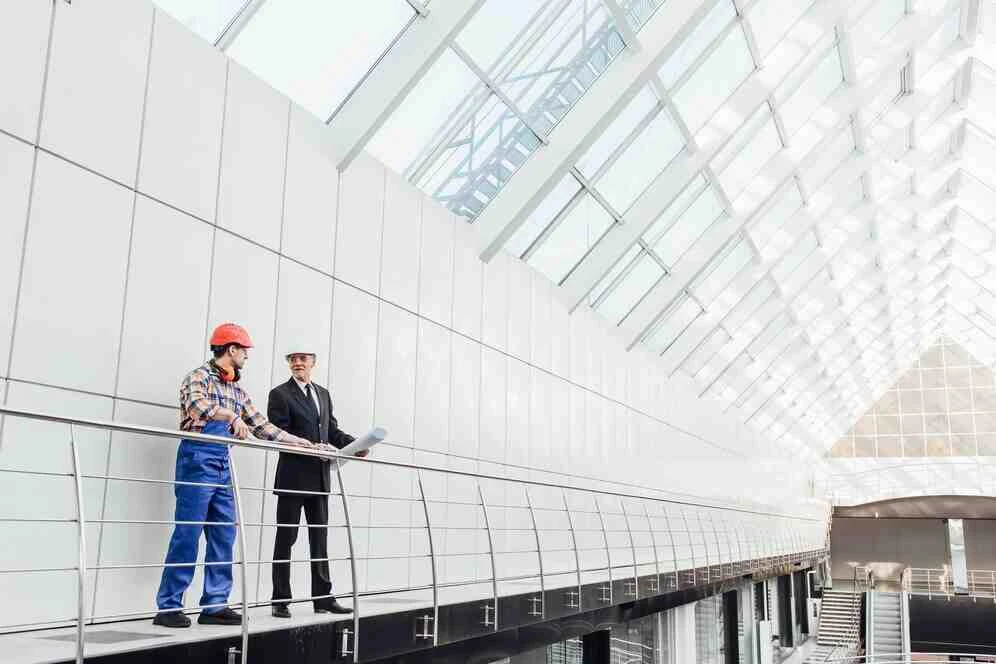
In the realm of architectural design, aesthetics, and functionality often take center stage. However, a paramount concern that should never be overlooked is safety. The safety of occupants and users i...
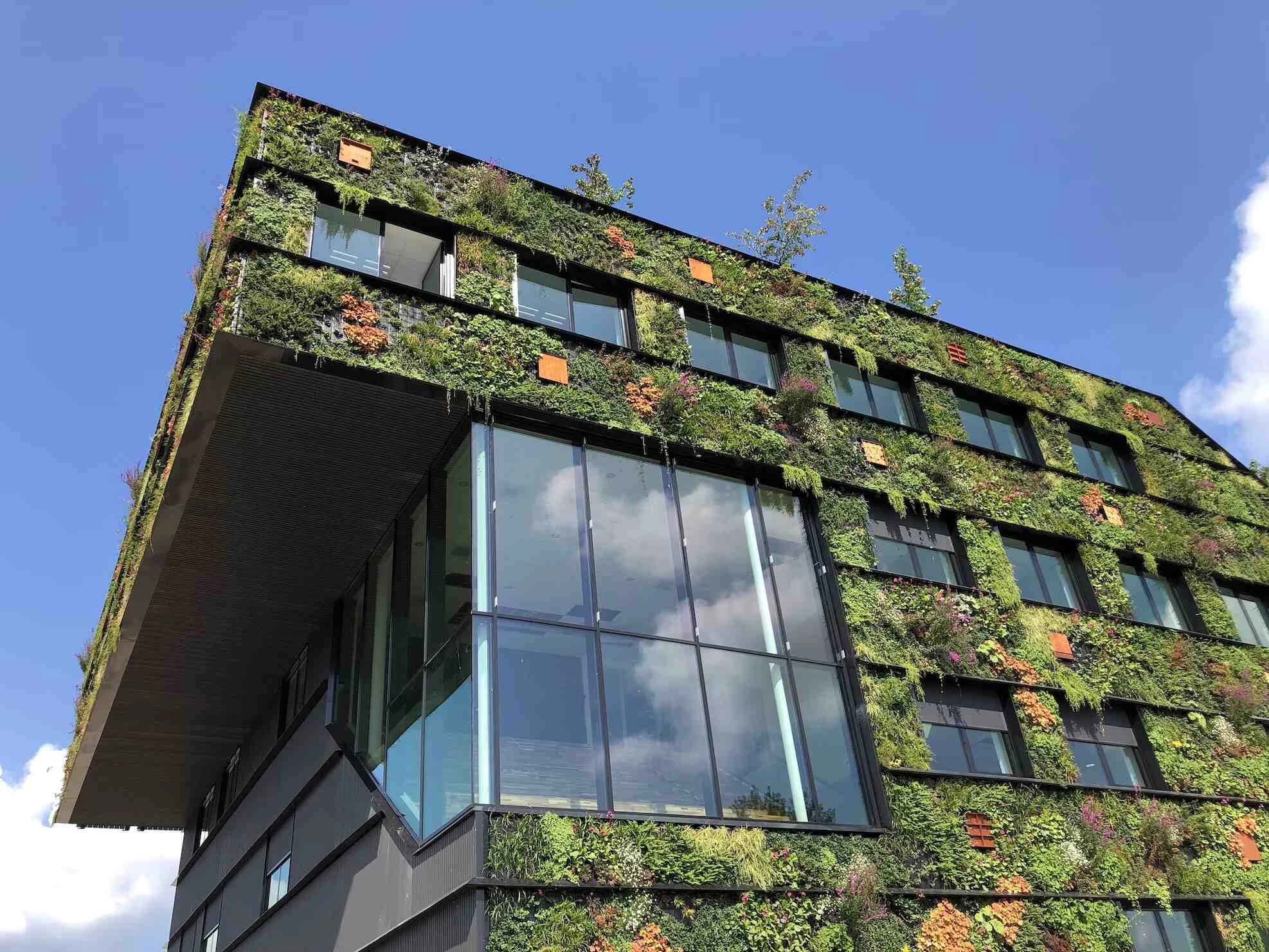
Explore the delicate balance between sustainability innovation and safety regulations in architectural design. Discover how architects create eco-friendly yet safe spaces.

Discover the latest seismic safety innovations for architects in the UK. Stay informed to design resilient structures in low-seismic-risk regions.
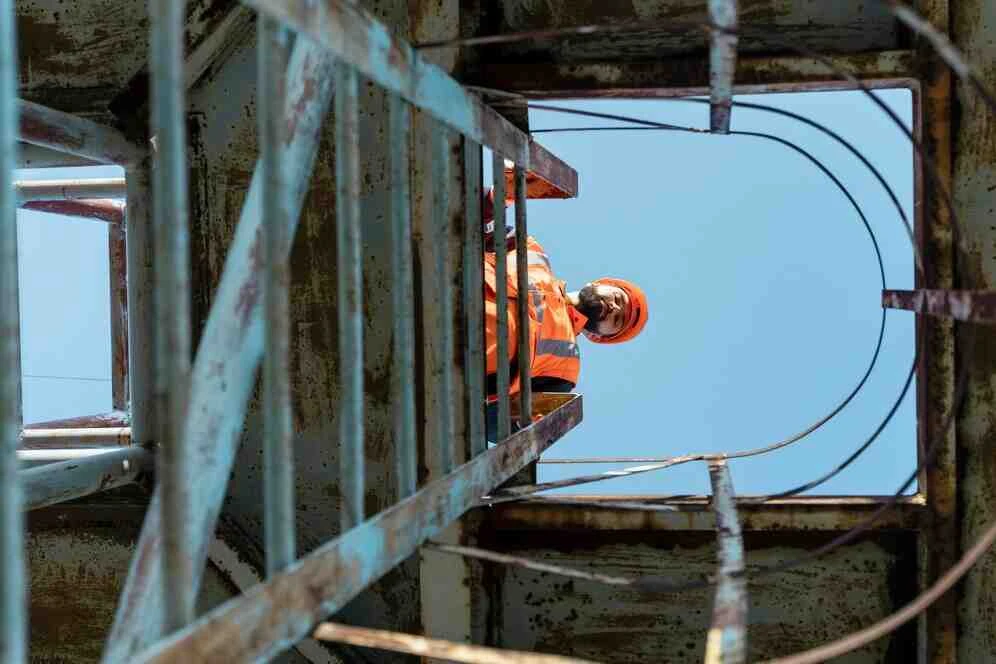
Explore fire safety in UK architecture. Learn about codes, fire-resistant materials, and design strategies to protect lives and property in architectural projects.

Discover the importance of designing inclusively in architecture. Learn how to meet the unique needs of disabled individuals and create accessible spaces for all.
Sign up to start winning an unlimited amount of jobs near you.


 Electrician
Gas Engineer
Electrician
Gas Engineer


Send more enquiries and explore your options
Increasing the number of potentials leads for you!
Have more control and flexibility over your finances!