


The Importance of Safety Gear for Bricklayers
Personal Protection: Safety gear is designed to protect bricklayers from potential hazards on the job site. This includes protection from falling debris, sharp objects, and exposure to harmful materials.
Health and Well-being: Safety gear safeguards the physical health of bricklayers. Wearing the right equipment reduces the risk of injuries, such as cuts, abrasions, and respiratory issues, thereby promoting overall well-being.
Compliance: Many jurisdictions and construction sites require workers to wear specific safety gear as part of legal and regulatory compliance. Failure to comply can result in fines or expulsion from the site.
Efficiency: Properly equipped bricklayers can work more confidently and efficiently, knowing that they are protected from potential dangers. This can lead to improved productivity and better-quality work.
Essential Safety Gear and Equipment for Bricklayers
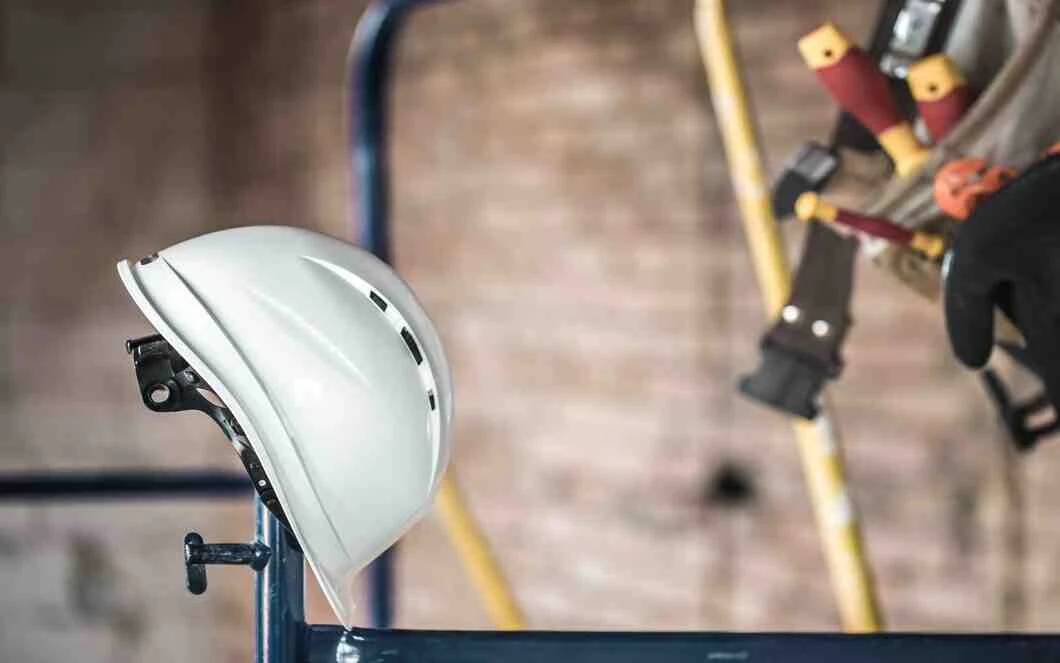
Hard Hat: A hard hat is a fundamental piece of safety equipment that protects bricklayers from falling objects and head injuries. It is mandatory on most construction sites.
Safety Glasses: Safety glasses shield the eyes from flying debris, dust, and other potential eye hazards. They should have impact-resistant lenses.
Gloves: Heavy-duty work gloves are essential for hand protection. They guard against cuts, blisters, and chemical exposure. Consider gloves with grip for better handling of bricks.
Respiratory Protection: Dust and airborne particles are common in bricklaying. Respiratory protection, such as N95 masks or respirators, is necessary to guard against inhaling harmful substances like silica dust.
Hearing Protection: Bricklaying can generate loud noise, particularly when using power tools. Ear protection, such as earplugs or earmuffs, safeguards against hearing damage.
Safety Boots: Safety boots with steel toes and puncture-resistant soles offer protection against falling objects and sharp materials on the ground. They should be comfortable for long hours of standing and walking.
Knee Pads: Bricklayers often work on their knees while laying bricks. Knee pads provide cushioning and protect against knee strain and injuries.
High-Visibility Vest: If working near vehicular traffic, a high-visibility vest ensures that bricklayers are easily seen by drivers and other workers.
Tool Belt: A sturdy tool belt keeps essential tools, such as trowels, levels, and plumb bobs, within easy reach and helps maintain an organized workspace.
Fall Protection Equipment: If working at heights, fall protection equipment like safety harnesses, lanyards, and anchor points should be used to prevent falls.
First Aid Kit: A well-stocked first aid kit should be readily available on the job site for quick treatment of minor injuries.
Sun Protection: When working outdoors, especially in hot weather, consider sun protection gear like a wide-brimmed hat and sunscreen to guard against sunburn and heat-related illnesses.
Conclusion
Safety gear and equipment are integral to the well-being and effectiveness of bricklayers on construction sites. Providing bricklayers with the appropriate gear ensures their protection from potential hazards, compliance with regulations, and the ability to work more efficiently. Safety should always be a top priority in bricklaying, not only for the sake of the workers but also to maintain the quality and integrity of construction projects. By equipping bricklayers with the necessary safety gear and fostering a culture of safety, construction sites can be safer and more productive environments for all.

Architects play a pivotal role in designing buildings that are not only aesthetically pleasing but also safe and functional. One of the crucial aspects of architectural design is ensuring compliance w...

In the realm of architectural design, aesthetics, and functionality often take center stage. However, a paramount concern that should never be overlooked is safety. The safety of occupants and users i...

Explore the delicate balance between sustainability innovation and safety regulations in architectural design. Discover how architects create eco-friendly yet safe spaces.

Discover the latest seismic safety innovations for architects in the UK. Stay informed to design resilient structures in low-seismic-risk regions.
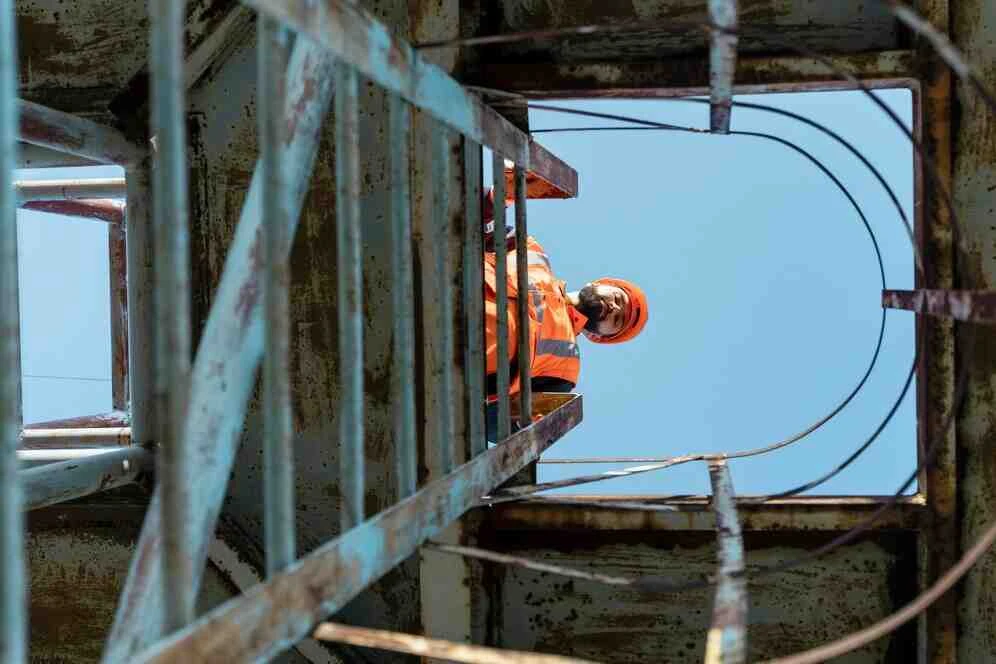
Explore fire safety in UK architecture. Learn about codes, fire-resistant materials, and design strategies to protect lives and property in architectural projects.
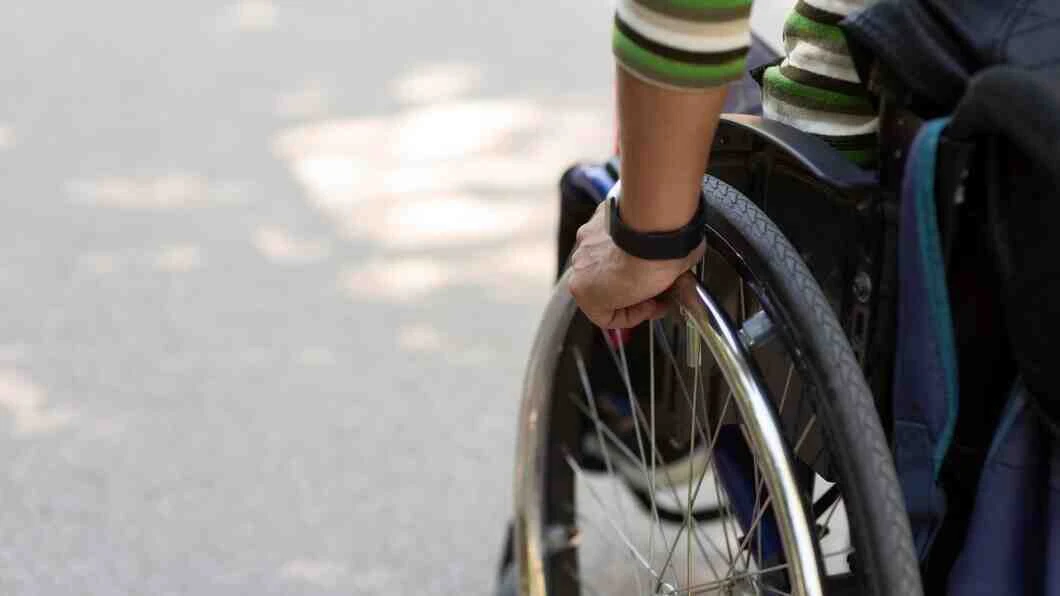
Discover the importance of designing inclusively in architecture. Learn how to meet the unique needs of disabled individuals and create accessible spaces for all.
Sign up to start winning an unlimited amount of jobs near you.


 Electrician
Gas Engineer
Electrician
Gas Engineer


Send more enquiries and explore your options
Increasing the number of potentials leads for you!
Have more control and flexibility over your finances!