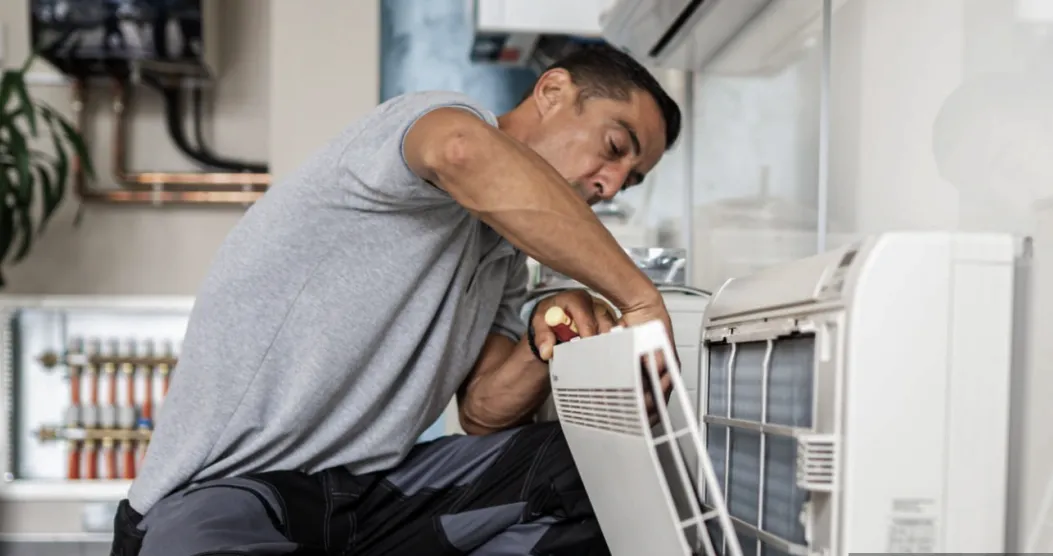



### The Significance of Safety Gear in Bathroom Fitting
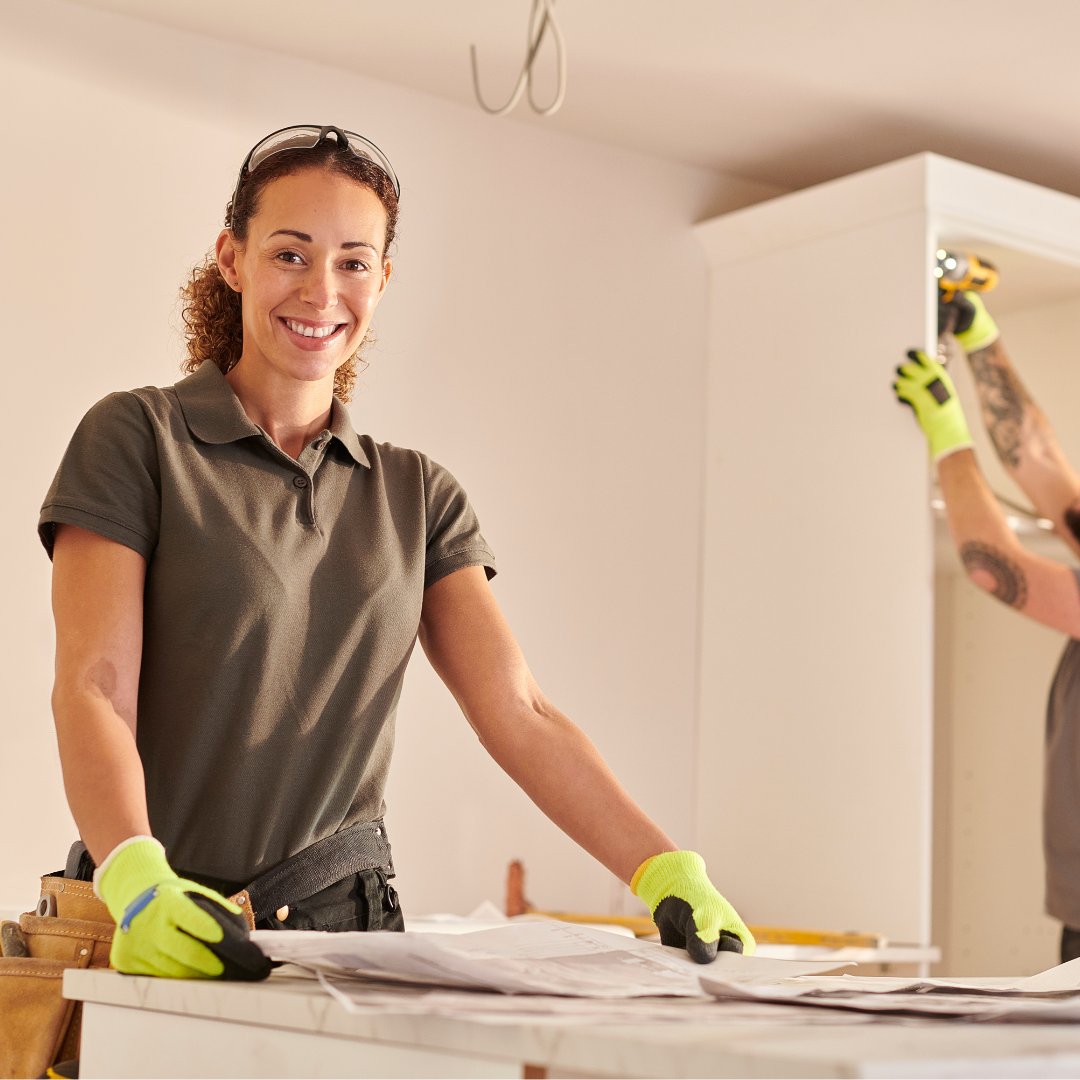
1. **Worker Safety**: The primary purpose of safety gear is to protect workers from injuries and health hazards associated with bathroom fitting tasks. This includes protection from falls, sharp objects, chemicals, and respiratory irritants.
2. **Quality Assurance**: Ensuring the safety of workers also contributes to the quality of work. When workers are protected and comfortable, they can focus on their tasks, resulting in better craftsmanship and fewer accidents.
3. **Legal Compliance**: Many regions have regulations requiring specific safety gear in construction and renovation projects. Adhering to these regulations is not only a legal requirement but also an ethical responsibility.
### Essential Safety Gear and Equipment for Bathroom Fitters
1. **Personal Protective Equipment (PPE)**:
- **Hard Hat**: Protects the head from falling objects and overhead hazards.
- **Safety Glasses or Goggles**: Shields the eyes from debris, dust, and chemical splashes.
- **Respirator or Dust Mask**: Prevents inhalation of dust, mold, or harmful chemicals.
- **Ear Protection**: Reduces exposure to loud noises from tools and machinery.
- **Gloves**: Protects hands from sharp objects, chemicals, and abrasive materials.
- **Steel-Toed Boots**: Provides protection for the feet from heavy objects and sharp materials.
2. **Fall Protection Gear**:
- **Safety Harness and Lanyard**: Essential for working at heights to prevent falls. Use when installing fixtures or working on elevated surfaces.
- **Safety Nets**: An alternative fall protection method for certain situations.
- **Guardrails and Toeboards**: Prevent workers from accidentally falling from edges or openings.
3. **Respiratory Protection**:
- **Dust Masks**: Necessary when working in dusty environments, especially during demolition or drywall installation.
- **Respirators**: Used for protection against airborne particles, chemicals, or mold spores. Ensure the respirator is suitable for the specific task and hazard.
4. **Hand Tools and Power Tools**:
- **Safety Guards**: Ensure that power tools have appropriate safety guards to prevent accidental contact with blades or moving parts.
- **Tool Belts**: Keep tools organized and accessible, reducing the risk of tripping or falling while carrying tools.
5. **Eye Wash Stations and First Aid Kits**:
- **Eye Wash Stations**: Essential for quick treatment of eye injuries due to chemical exposure.
- **First Aid Kits**: Should be readily available on-site for minor injuries and emergencies.
6. **Ladders and Scaffolding**:
- **Sturdy Ladders**: Use high-quality, stable ladders with non-slip feet when working at heights.
- **Scaffolding**: For more extensive bathroom projects, consider using scaffolding for safer access to elevated areas.
7. **Safety Signs and Barricades**:
- **Warning Signs**: Use signs to indicate hazardous areas or conditions, such as wet floors or ongoing work.
- **Barricades**: Block off areas under construction or renovation to prevent unauthorized access.
### Training and Education
It"s not enough to provide safety gear and equipment; proper training and education are equally crucial. Ensure that all workers are trained in the correct use of safety gear and understand the hazards associated with bathroom fitting tasks. Regular safety meetings and ongoing training sessions can reinforce safe practices and reduce accidents.
### Conclusion
Safety gear and equipment are non-negotiable in bathroom fitting projects. Prioritizing worker safety not only protects individuals from harm but also contributes to the overall quality and efficiency of the project. By providing and using the right safety gear and equipment, bathroom fitters can create a safer and more productive work environment, ultimately leading to better outcomes for both workers and clients.

Architects play a pivotal role in designing buildings that are not only aesthetically pleasing but also safe and functional. One of the crucial aspects of architectural design is ensuring compliance w...

In the realm of architectural design, aesthetics, and functionality often take center stage. However, a paramount concern that should never be overlooked is safety. The safety of occupants and users i...

Explore the delicate balance between sustainability innovation and safety regulations in architectural design. Discover how architects create eco-friendly yet safe spaces.
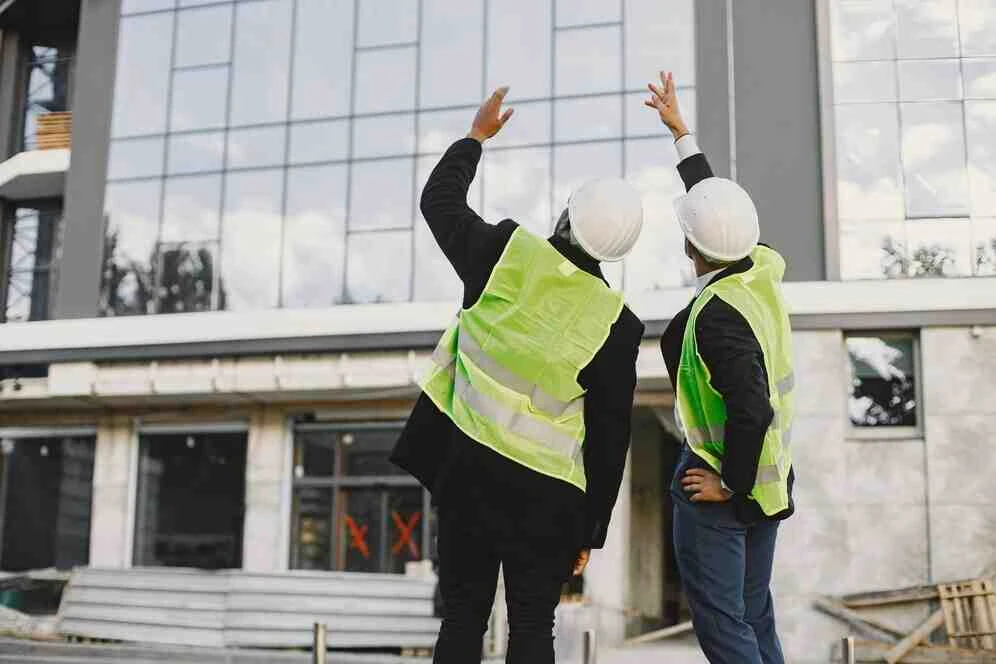
Discover the latest seismic safety innovations for architects in the UK. Stay informed to design resilient structures in low-seismic-risk regions.
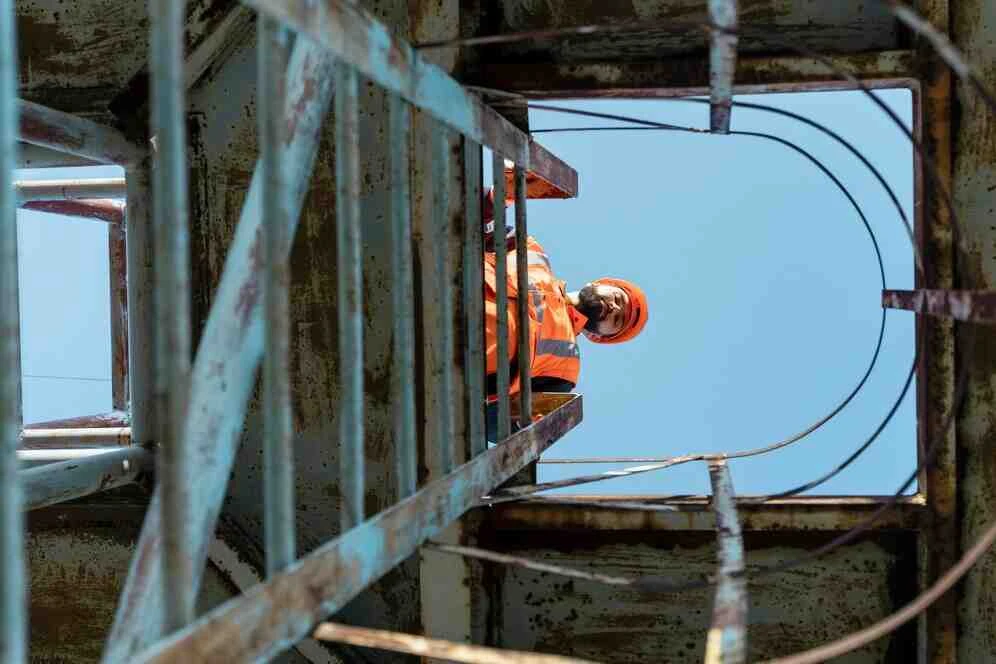
Explore fire safety in UK architecture. Learn about codes, fire-resistant materials, and design strategies to protect lives and property in architectural projects.
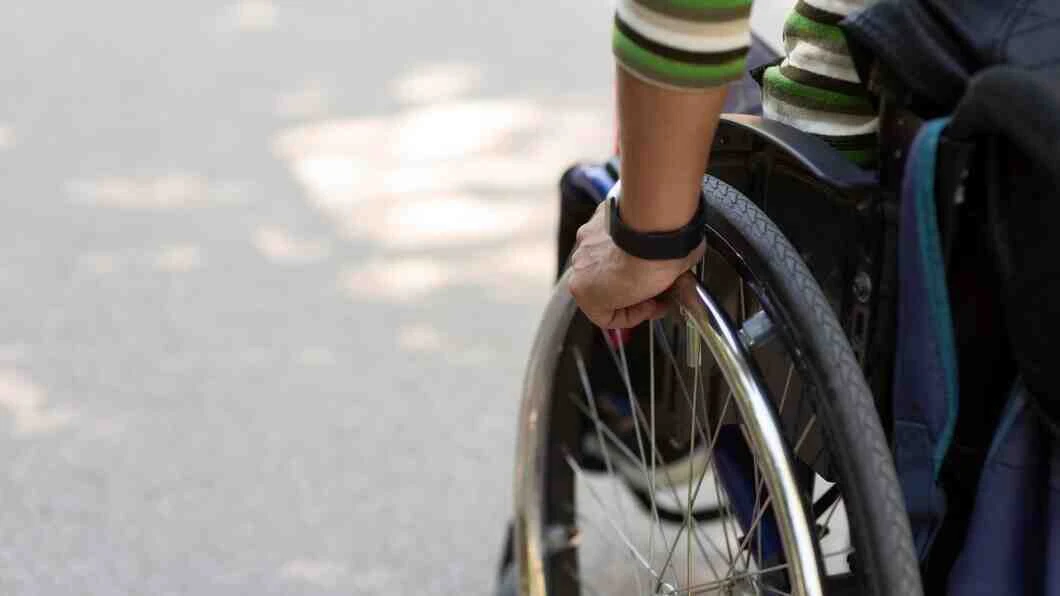
Discover the importance of designing inclusively in architecture. Learn how to meet the unique needs of disabled individuals and create accessible spaces for all.
Sign up to start winning an unlimited amount of jobs near you.


 Electrician
Gas Engineer
Electrician
Gas Engineer


Send more enquiries and explore your options
Increasing the number of potentials leads for you!
Have more control and flexibility over your finances!