



Why Compliance with Health and Safety Regulations is Vital in Landscaping
1. Protecting Lives and Well-being: Landscaping work often involves heavy machinery, power tools, and manual labor, which can pose significant risks to workers. Compliance with health and safety regulations helps prevent accidents, injuries, and fatalities.
2. Legal Obligations: Governments worldwide have enacted legislation to ensure workplace safety. Failing to adhere to these regulations can result in legal consequences, including fines and lawsuits.
3. Reputation and Client Trust: Clients and stakeholders expect landscaping professionals to adhere to the highest standards of safety. A strong safety record can enhance your reputation and instill trust in your services.
4. Cost Reduction: Safety measures can help reduce accidents, insurance claims, and associated costs. A safer work environment can lead to lower insurance premiums and fewer unexpected expenses.
Key Health and Safety Regulations in Landscaping
1. Personal Protective Equipment (PPE): The use of appropriate PPE, such as helmets, gloves, safety glasses, and hearing protection, is crucial to safeguard workers from common landscaping hazards.
2. Safe Equipment Operation: Workers should be trained to safely operate and maintain machinery, power tools, and equipment used in landscaping. Routine inspections and maintenance are essential to prevent accidents.
3. Hazard Identification: A thorough risk assessment should identify potential hazards, including uneven terrain, dangerous plants, and hazardous chemicals. Once identified, effective measures should be implemented to mitigate these risks.
4. Manual Handling: Landscapers often engage in manual lifting and carrying of heavy objects. Proper training in lifting techniques can help prevent injuries and back strain.
5. Chemical Safety: Landscaping often involves the use of chemicals like fertilizers, pesticides, and herbicides. Proper storage, handling, and disposal of these substances are vital to protect both the environment and workers.
Creating a Safe Work Environment in Landscaping
1. Training and Education: Comprehensive training for all workers is essential. This should cover safety protocols, equipment operation, and hazard recognition.
2. Regular Safety Inspections: Routine inspections of equipment and work sites help identify and rectify potential hazards. Maintenance and repairs should be conducted promptly.
3. Emergency Response Plans: Establish clear procedures for responding to accidents or emergencies, including first aid, reporting, and evacuation plans.
4. Communication: Maintain open channels of communication among all team members to ensure everyone is aware of safety procedures and potential risks.
5. Personal Responsibility: Encourage workers to take personal responsibility for their safety and the safety of their colleagues. This includes adhering to safety protocols, reporting hazards, and using PPE.
6. Continuous Improvement: Regularly review and update safety procedures to adapt to changing conditions or emerging risks.
Conclusion
Compliance with health and safety regulations in landscaping is not only a legal obligation but also a moral imperative. It is a commitment to protecting the lives and well-being of workers and the public. By creating a culture of safety, providing proper training, and maintaining rigorous safety protocols, landscaping professionals can ensure that every outdoor project is not only beautiful but also safe. Prioritizing safety not only fulfills regulatory requirements but also enhances your reputation and ensures a successful and sustainable landscaping business.

Architects play a pivotal role in designing buildings that are not only aesthetically pleasing but also safe and functional. One of the crucial aspects of architectural design is ensuring compliance w...

In the realm of architectural design, aesthetics, and functionality often take center stage. However, a paramount concern that should never be overlooked is safety. The safety of occupants and users i...

Explore the delicate balance between sustainability innovation and safety regulations in architectural design. Discover how architects create eco-friendly yet safe spaces.

Discover the latest seismic safety innovations for architects in the UK. Stay informed to design resilient structures in low-seismic-risk regions.
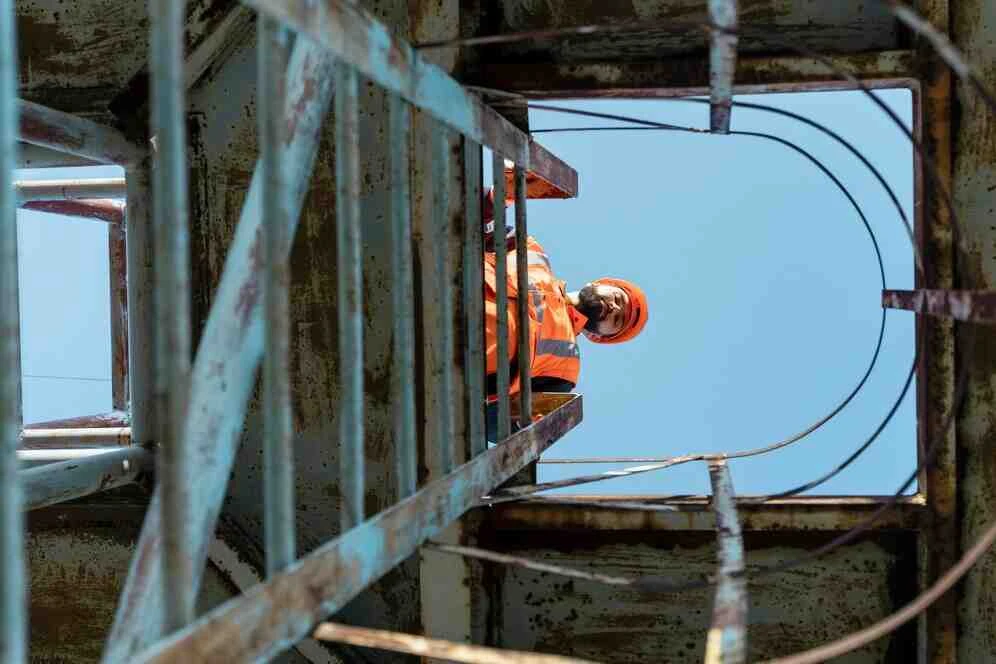
Explore fire safety in UK architecture. Learn about codes, fire-resistant materials, and design strategies to protect lives and property in architectural projects.

Discover the importance of designing inclusively in architecture. Learn how to meet the unique needs of disabled individuals and create accessible spaces for all.
Sign up to start winning an unlimited amount of jobs near you.


 Electrician
Gas Engineer
Electrician
Gas Engineer


Send more enquiries and explore your options
Increasing the number of potentials leads for you!
Have more control and flexibility over your finances!