

**Understanding the Risks**
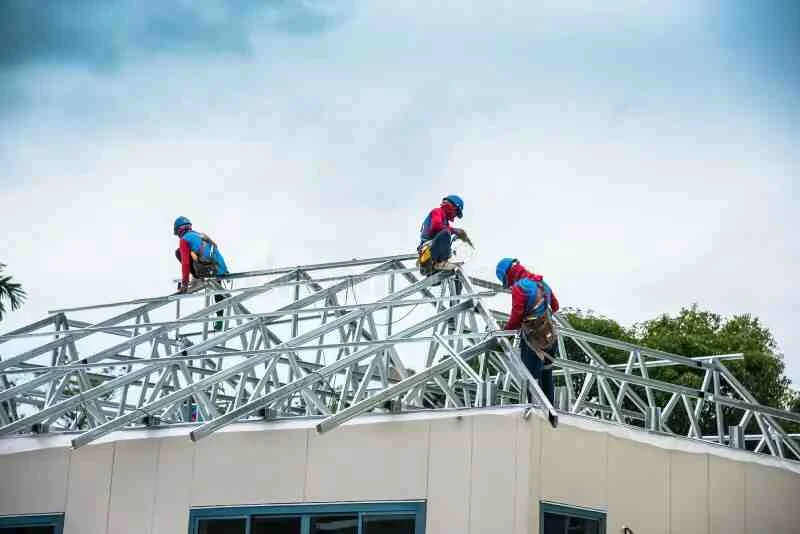
Roofline contractors face several potential hazards on the job. Understanding these risks is the first step in effective emergency preparedness:
1. **Falls:** Working at heights presents the most significant danger. Falls can result in severe injuries or even fatalities.
2. **Weather-Related Issues:** Roofers must contend with changing weather conditions, which can range from heavy rain and lightning to scorching heat. These conditions can pose health risks, such as heatstroke or hypothermia.
3. **Equipment Malfunctions:** Tools and equipment are essential for roofing work. Malfunctions or accidents involving this equipment can lead to injuries.
4. **Material Handling:** Moving heavy roofing materials can cause strain and injury if not done carefully.
**Emergency Preparedness Essentials**
1. **Safety Training:** Start by ensuring that all your team members receive thorough safety training. They should be well-versed in best practices for fall protection, ladder safety, and the correct use of personal protective equipment (PPE).
2. **Risk Assessment:** Prior to starting any project, conduct a risk assessment. Identify potential hazards and take steps to mitigate them. Ensure all team members are aware of these risks and the corresponding safety measures.
3. **Emergency Contacts:** Maintain a list of emergency contacts, including local emergency services, medical facilities, and any other relevant numbers. Ensure that all team members have access to this information.
4. **Communication:** Effective communication is crucial during emergencies. Implement a communication protocol for your team. Two-way radios or cell phones can be essential for maintaining contact, especially on large job sites.
5. **Weather Monitoring:** Stay informed about the weather. Depending on the climate and time of year, this can include monitoring for storms, lightning, or extreme temperatures. Establish a policy for ceasing work during adverse weather conditions.
6. **First Aid Kits:** Every job site should have a well-stocked first aid kit. Team members should also be trained in basic first aid procedures.
7. **Emergency Action Plan:** Develop a comprehensive emergency action plan that outlines procedures for various situations, such as falls, injuries, fires, or extreme weather. Ensure that all team members are familiar with the plan and conduct regular drills.
8. **Safety Gear:** Regularly inspect and maintain safety gear, including harnesses, helmets, and lifelines. Damaged or outdated gear should be replaced promptly.
9. **Rescue Equipment:** In case of a fall, have rescue equipment readily available. Rope access systems, man-baskets, or similar gear can be essential for safely evacuating an injured worker from a roof.
10. **Documentation:** Maintain records of safety training, emergency drills, and equipment maintenance. This documentation can serve as evidence of your commitment to safety and preparedness.
**Continuous Improvement**
Emergency preparedness is not a one-time task but an ongoing process. Regularly review your emergency plans, update contact information, and adapt your procedures based on past experiences and lessons learned.
By prioritizing emergency preparedness, roofline contractors can reduce the risks associated with their work, protect their team members, and ensure the successful completion of projects. Safety is not just a requirement; it"s a fundamental principle of responsible and ethical business in the roofing industry.

Architects play a pivotal role in designing buildings that are not only aesthetically pleasing but also safe and functional. One of the crucial aspects of architectural design is ensuring compliance w...

In the realm of architectural design, aesthetics, and functionality often take center stage. However, a paramount concern that should never be overlooked is safety. The safety of occupants and users i...

Explore the delicate balance between sustainability innovation and safety regulations in architectural design. Discover how architects create eco-friendly yet safe spaces.
Discover the latest seismic safety innovations for architects in the UK. Stay informed to design resilient structures in low-seismic-risk regions.
Explore fire safety in UK architecture. Learn about codes, fire-resistant materials, and design strategies to protect lives and property in architectural projects.

Discover the importance of designing inclusively in architecture. Learn how to meet the unique needs of disabled individuals and create accessible spaces for all.
Sign up to start winning an unlimited amount of jobs near you.


 Electrician
Gas Engineer
Electrician
Gas Engineer


Send more enquiries and explore your options
Increasing the number of potentials leads for you!
Have more control and flexibility over your finances!