

**1. OSHA"s Silica Rule**
The Occupational Safety and Health Administration (OSHA) has implemented stringent rules for silica exposure in the construction industry. These regulations are crucial for safeguarding the health and safety of workers exposed to crystalline silica, which is commonly found in construction materials like concrete, stone, and sand. Compliance with these rules involves implementing engineering controls, respiratory protection, and strict exposure limits to minimize the risk of silicosis and other health issues.
**2. Building Codes and Standards**
Building codes and standards play a significant role in ensuring the safety and integrity of construction conversion projects. Codes are periodically updated to reflect the latest construction methods, materials, and safety practices. Staying informed about the latest building codes and standards, such as those from the International Code Council (ICC), is essential to maintaining project safety and compliance.
**3. Environmental Regulations**
In the context of construction conversion engineering, environmental regulations have become increasingly important. Regulations related to air quality, water management, and hazardous materials can significantly impact project safety and compliance. Ensuring that your project adheres to these regulations is not only vital for the environment but also for worker safety.
**4. Energy Efficiency Standards**
Energy efficiency standards are becoming more stringent worldwide to reduce greenhouse gas emissions and promote sustainable building practices. Compliance with these standards often requires advanced building techniques, materials, and systems. These standards not only impact the long-term energy efficiency of a structure but also influence safety considerations such as fire prevention and indoor air quality.
**5. Zoning and Land Use Regulations**
Zoning and land use regulations can impact the safety of a construction conversion project by influencing aspects like building height, proximity to hazards, and land use. Staying current with local zoning laws and ensuring that your project complies is crucial for overall project safety and viability.
**6. Technology and Safety Regulations**
The adoption of advanced technologies, such as Building Information Modeling (BIM) and safety software, can be influenced by safety regulations. These technologies can enhance safety by providing real-time information and facilitating more efficient safety management on construction sites.
**7. ADA Compliance**
The Americans with Disabilities Act (ADA) sets standards for accessibility and safety in buildings. Compliance with ADA regulations is essential to ensure that converted structures are accessible and safe for all individuals, regardless of their physical abilities.
**8. Fire Safety Regulations**
Safety regulations related to fire protection and prevention continue to evolve. These regulations often impact factors such as the installation of fire suppression systems, fire-resistant materials, and means of egress, all of which are crucial for the safety of building occupants.
**Conclusion**
Adhering to safety regulations and staying informed about the latest updates is paramount for construction conversion engineers and professionals. These regulations not only protect the well-being of workers but also ensure the safety and integrity of the converted structures. Failure to comply with the latest safety standards and regulations can result in costly fines, delays, and potential harm to both the environment and human health. Therefore, it is imperative to stay updated and embrace these changes as a means to enhance the safety and quality of construction conversion projects.

Architects play a pivotal role in designing buildings that are not only aesthetically pleasing but also safe and functional. One of the crucial aspects of architectural design is ensuring compliance w...
In the realm of architectural design, aesthetics, and functionality often take center stage. However, a paramount concern that should never be overlooked is safety. The safety of occupants and users i...
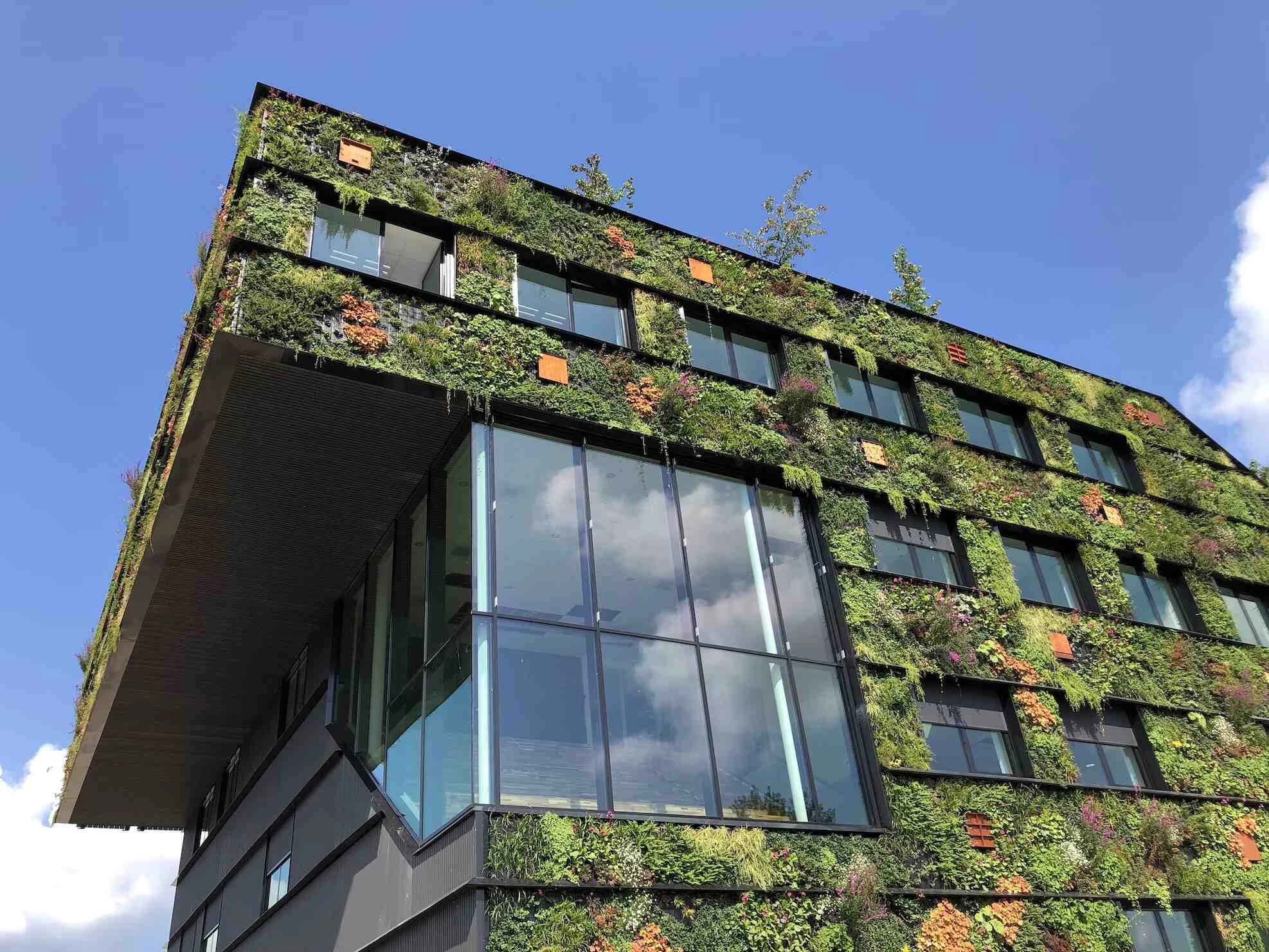
Explore the delicate balance between sustainability innovation and safety regulations in architectural design. Discover how architects create eco-friendly yet safe spaces.
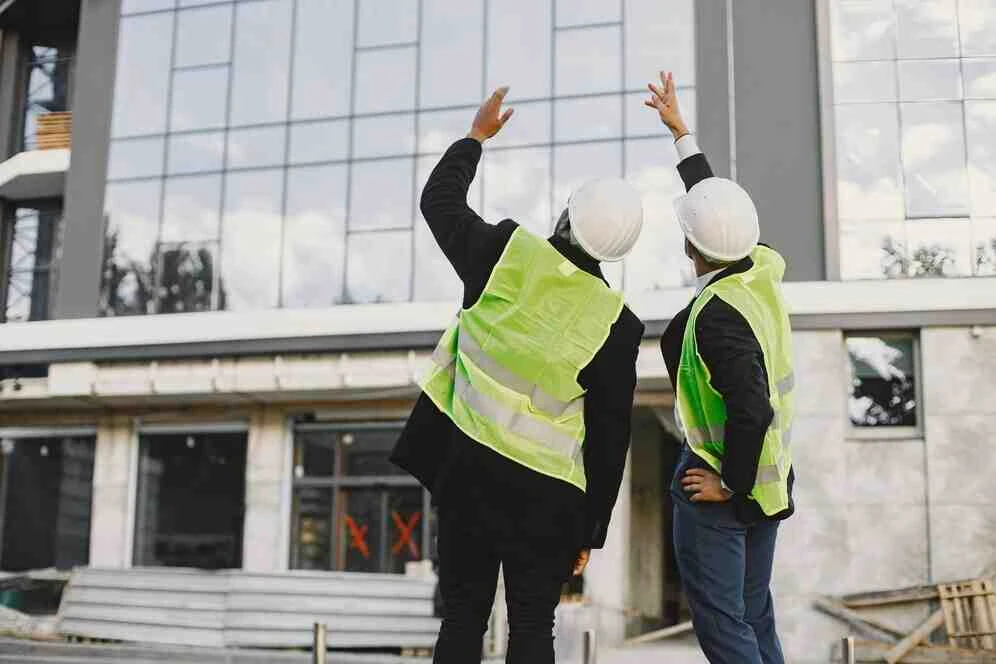
Discover the latest seismic safety innovations for architects in the UK. Stay informed to design resilient structures in low-seismic-risk regions.
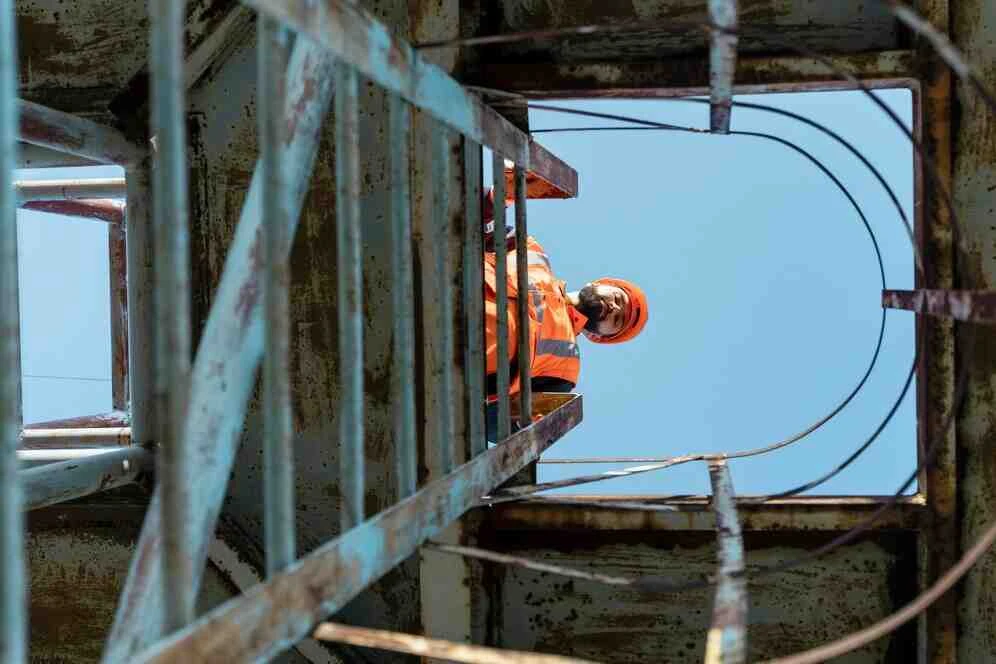
Explore fire safety in UK architecture. Learn about codes, fire-resistant materials, and design strategies to protect lives and property in architectural projects.
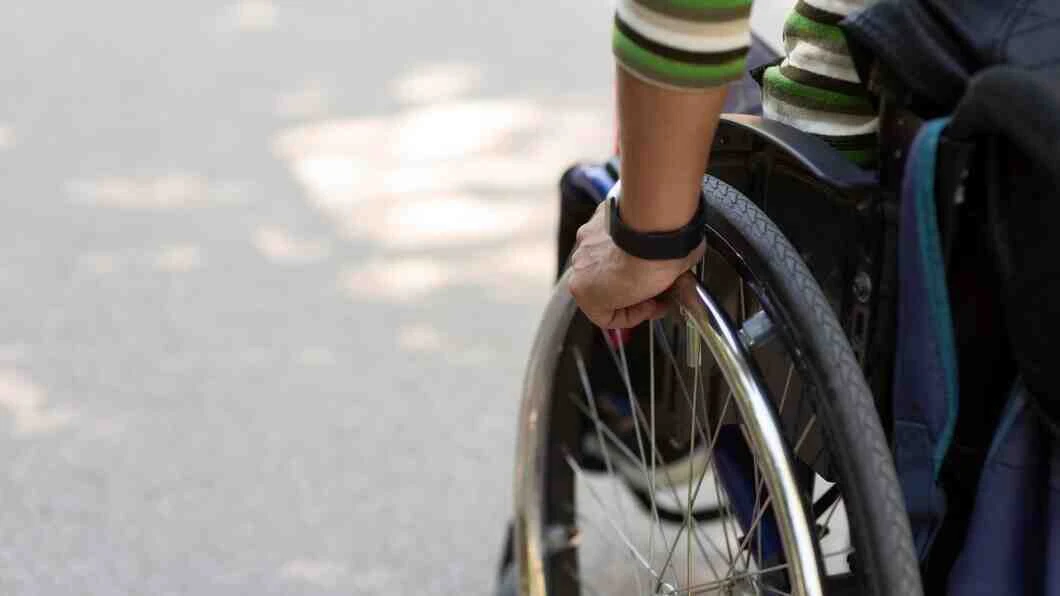
Discover the importance of designing inclusively in architecture. Learn how to meet the unique needs of disabled individuals and create accessible spaces for all.
Sign up to start winning an unlimited amount of jobs near you.


 Electrician
Gas Engineer
Electrician
Gas Engineer


Send more enquiries and explore your options
Increasing the number of potentials leads for you!
Have more control and flexibility over your finances!