

**1. Thorough Due Diligence and Assessment**
The initial due diligence and assessment phase is a critical step in risk reduction. Before taking on a project, thoroughly evaluate the existing structure, environmental conditions, and any potential regulatory issues. Understanding the challenges upfront allows for better planning and risk management.
**2. Compliance with Regulations and Codes**
Compliance with local, state, and federal regulations and building codes is paramount in construction conversion engineering. Failure to adhere to these standards can lead to costly delays, fines, and liabilities. Engage legal and regulatory experts if necessary to ensure full compliance.
**3. Comprehensive Contracts and Agreements**
Clear and comprehensive contracts are vital in managing risks and liabilities. Clearly outline roles, responsibilities, timelines, payment terms, and dispute resolution procedures in contracts. Legal counsel can help draft and review contracts to ensure they protect your interests.
**4. Insurance Coverage**
Acquire appropriate insurance coverage to safeguard against potential liabilities. Professional liability insurance, general liability insurance, and builder"s risk insurance are common types of coverage for construction professionals. Consult with an insurance specialist to determine the most suitable policies for your specific needs.
**5. Risk Identification and Mitigation Planning**
Establish a risk identification and mitigation plan for each project. Identify potential risks and develop strategies to mitigate them. This proactive approach can help you avoid issues before they escalate.
**6. Expert Team Selection**
Choose a team of professionals with the expertise required for each project. This includes architects, engineers, contractors, and specialists. A well-qualified team can help mitigate risks associated with design and construction.
**7. Sustainable Materials and Practices**
Embracing sustainable building materials and practices can reduce environmental risks and potential long-term liabilities. Sustainable materials often have lower maintenance requirements and a longer lifespan, leading to fewer ongoing issues.
**8. Quality Control and Inspections**
Implement rigorous quality control measures and inspections throughout the construction process. Identifying and addressing issues during the construction phase can prevent costly post-construction problems and liabilities.
**9. Ongoing Maintenance Planning**
Provide clients with an ongoing maintenance plan for the converted structure. This plan ensures that the building remains in optimal condition and minimizes future maintenance and liability issues.
**10. Effective Communication and Documentation**
Maintain clear, consistent, and comprehensive communication with clients and team members. Document all project details, changes, and decisions in writing. Having a documented history can be invaluable in case of disputes or liabilities.
**11. Regular Risk Review**
Conduct regular reviews of project risks, even after construction is complete. Monitoring the performance and condition of the structure can help identify and address issues before they become significant liabilities.
**12. Legal Counsel**
Consult with legal experts who specialize in construction law. They can provide guidance on contracts, regulations, and dispute resolution, ultimately reducing legal liabilities.
Conclusion
The complex nature of construction conversion engineering requires a proactive approach to risk management and liability reduction. By diligently assessing and addressing potential risks, ensuring compliance with regulations, and utilizing the right contracts and insurance coverage, professionals in this field can significantly reduce the likelihood of liabilities. The ultimate goal is to not only deliver successful projects but also to protect your reputation and financial well-being by minimizing risks and liabilities. In this industry, success is not only measured by what you build but by how effectively you manage and mitigate potential issues.

Architects play a pivotal role in designing buildings that are not only aesthetically pleasing but also safe and functional. One of the crucial aspects of architectural design is ensuring compliance w...
In the realm of architectural design, aesthetics, and functionality often take center stage. However, a paramount concern that should never be overlooked is safety. The safety of occupants and users i...
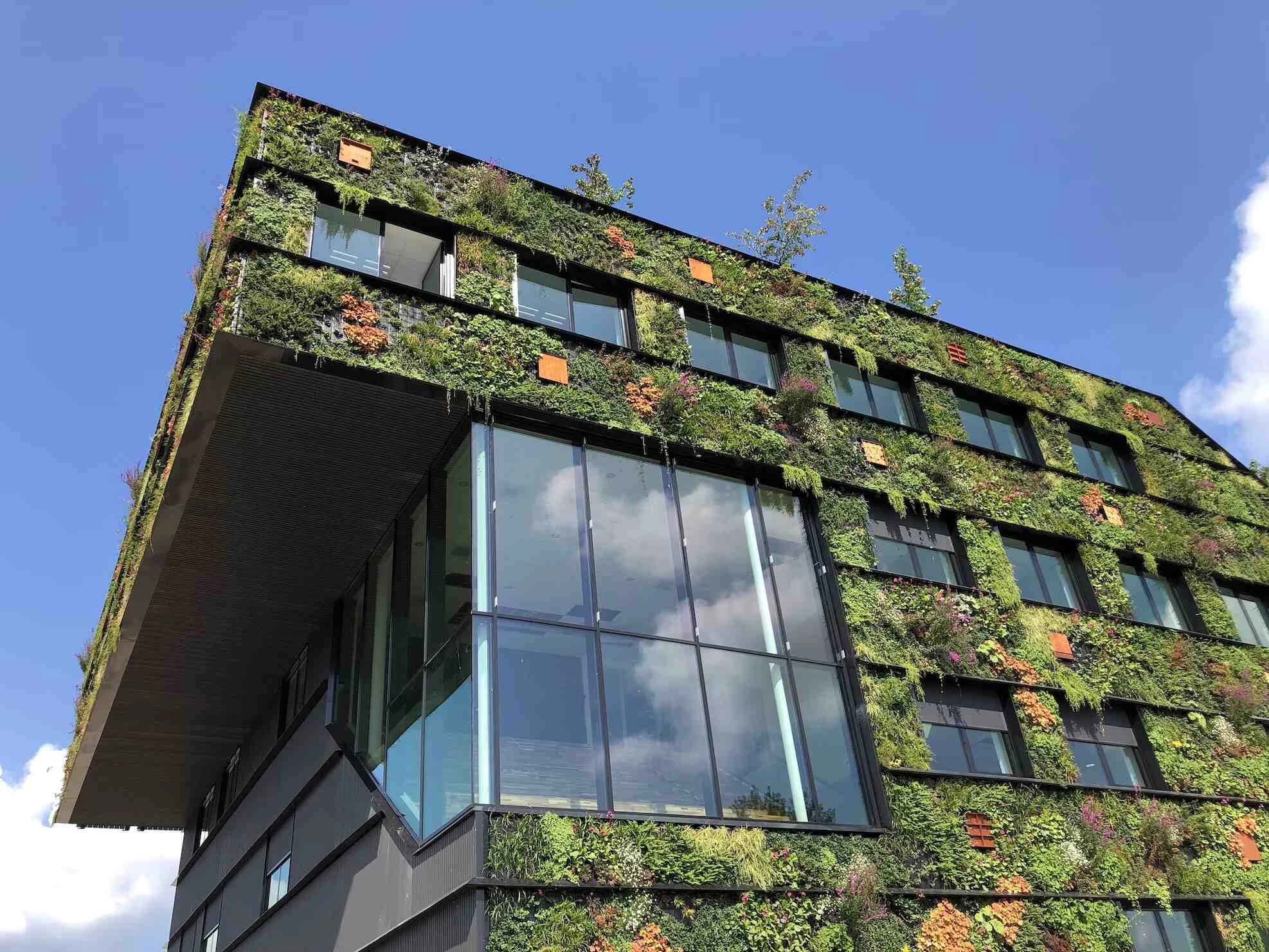
Explore the delicate balance between sustainability innovation and safety regulations in architectural design. Discover how architects create eco-friendly yet safe spaces.
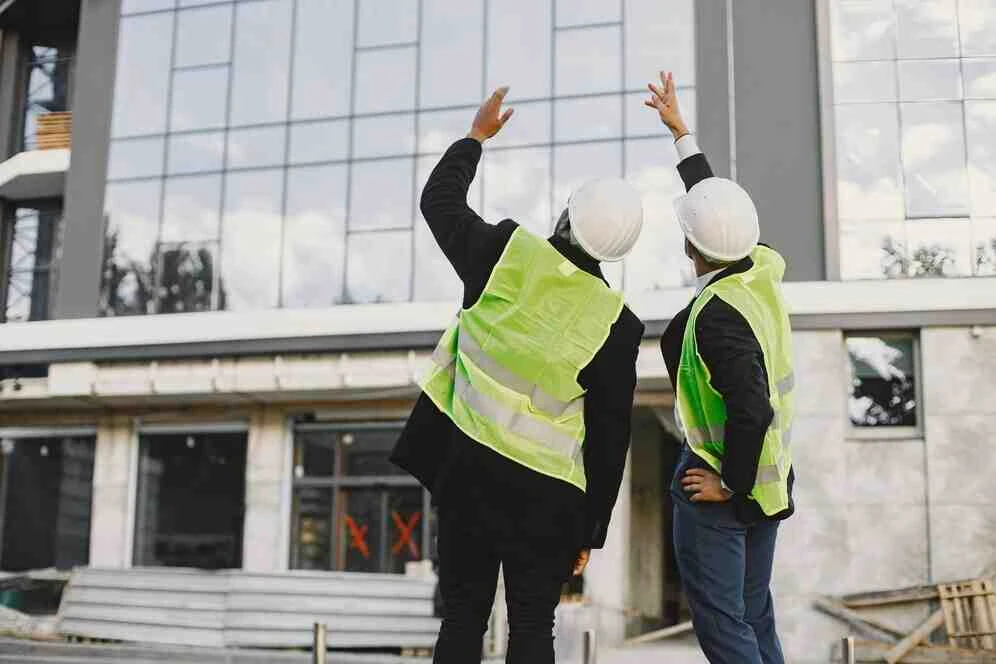
Discover the latest seismic safety innovations for architects in the UK. Stay informed to design resilient structures in low-seismic-risk regions.
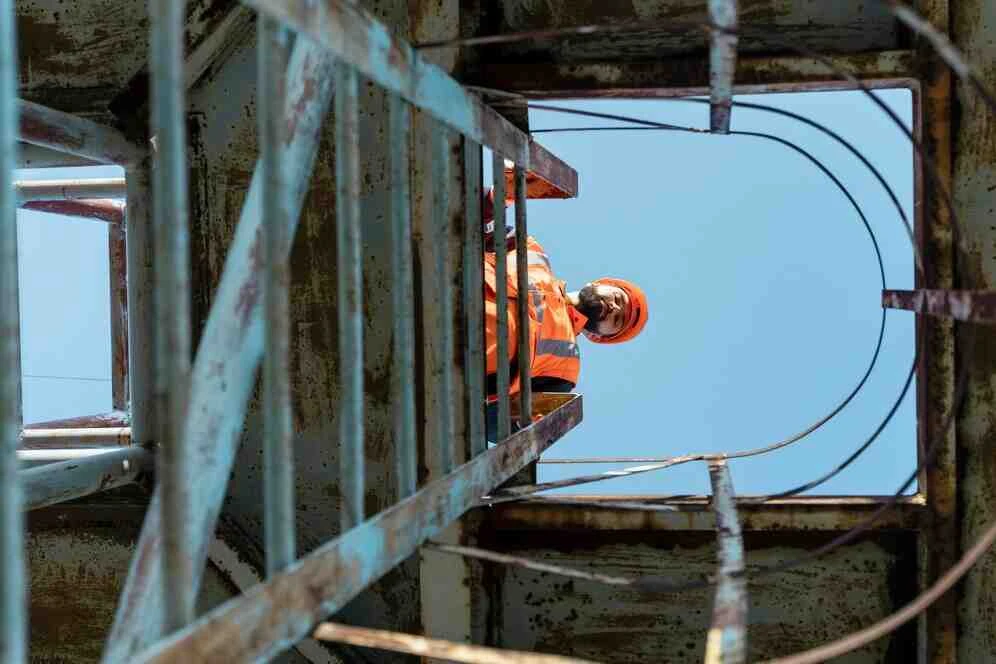
Explore fire safety in UK architecture. Learn about codes, fire-resistant materials, and design strategies to protect lives and property in architectural projects.
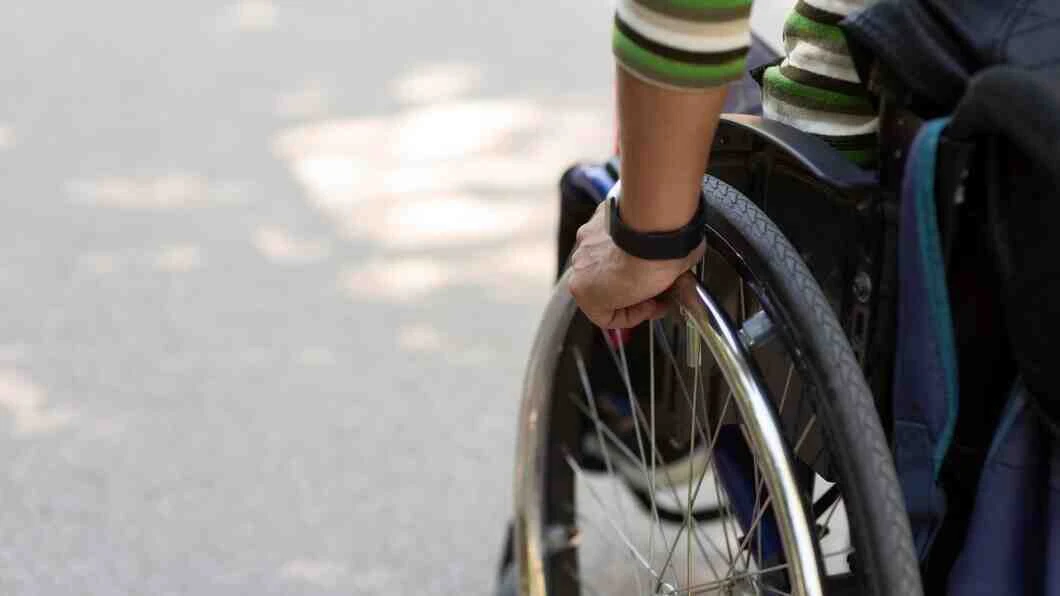
Discover the importance of designing inclusively in architecture. Learn how to meet the unique needs of disabled individuals and create accessible spaces for all.
Sign up to start winning an unlimited amount of jobs near you.


 Electrician
Gas Engineer
Electrician
Gas Engineer


Send more enquiries and explore your options
Increasing the number of potentials leads for you!
Have more control and flexibility over your finances!