

## The Importance of Emergency Preparedness
1. **Worker Safety**: The well-being of bathroom fitters and their team members should always be the top priority. Being prepared for emergencies minimizes the risk of injuries and accidents.
2. **Client Protection**: Clients trust bathroom fitters to provide a safe environment during renovations. Effective emergency preparedness ensures that clients are not exposed to unnecessary risks.
3. **Project Continuity**: When emergencies are handled efficiently, project delays can be minimized, and the work can continue smoothly. This is essential for maintaining client satisfaction and meeting project deadlines.
## Essential Emergency Preparedness Tips for Bathroom Fitters
### 1. Risk Assessment
Before starting any bathroom fitting project, conduct a thorough risk assessment. Identify potential hazards and plan accordingly. This should include an evaluation of electrical systems, plumbing, structural integrity, and any materials that may pose health or safety risks.
### 2. First Aid Training
Ensure that you and your team are trained in basic first aid and CPR (Cardiopulmonary Resuscitation). A first aid kit should be readily available on the job site, and all team members should know its location and how to use its contents.
### 3. Emergency Contact Information
Maintain a list of emergency contact numbers, including local emergency services, healthcare providers, and key project stakeholders. This information should be easily accessible to all team members.
### 4. Evacuation Plan
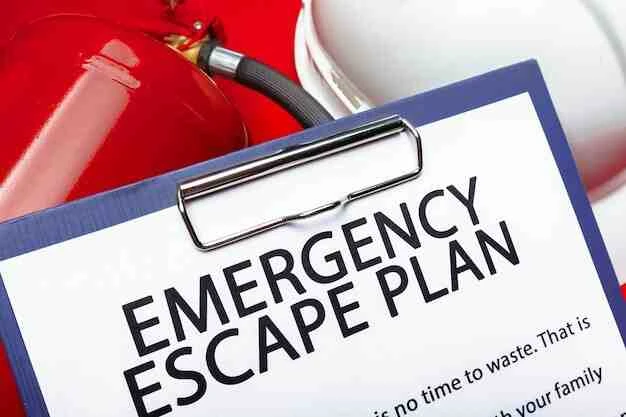
Develop an evacuation plan for the job site. Ensure that all workers are aware of the plan and know the designated assembly point. Regularly conduct evacuation drills to reinforce the procedure.
### 5. Safety Equipment and PPE
Provide workers with the necessary safety equipment and personal protective equipment (PPE) for the job. Ensure that all equipment is in good working condition and readily available.
### 6. Fire Safety
Implement fire safety measures, including fire extinguisher placement and training on their use. Clearly mark emergency exits, and ensure they are unobstructed.
### 7. Communication
Establish a reliable means of communication among team members on the job site. This could include two-way radios or mobile phones with a designated point of contact.
### 8. Document and Report Incidents
In case of any incident, accident, or near miss, create detailed incident reports. These reports should include information about the event, individuals involved, and any injuries or damages. Reporting ensures that corrective actions can be taken to prevent future incidents.
### 9. Toolbox Talks
Conduct regular toolbox talks to discuss safety procedures, potential risks, and emergency protocols with your team. Encourage open communication and feedback.
### 10. Insurance Coverage
Ensure that you and your business have appropriate insurance coverage for potential emergencies. This includes liability insurance, workers" compensation insurance, and coverage for tools and equipment.
## Conclusion
Emergency preparedness is an essential aspect of responsible bathroom fitting and renovation. By taking proactive steps to identify and address potential risks, providing training and safety equipment, and having clear emergency procedures in place, bathroom fitters can ensure the safety of their team members, and clients, and the success of their projects. Being prepared for emergencies not only mitigates risks but also instills confidence in clients, strengthens your reputation, and contributes to the overall professionalism of the bathroom fitting industry.

Architects play a pivotal role in designing buildings that are not only aesthetically pleasing but also safe and functional. One of the crucial aspects of architectural design is ensuring compliance w...

In the realm of architectural design, aesthetics, and functionality often take center stage. However, a paramount concern that should never be overlooked is safety. The safety of occupants and users i...

Explore the delicate balance between sustainability innovation and safety regulations in architectural design. Discover how architects create eco-friendly yet safe spaces.
Discover the latest seismic safety innovations for architects in the UK. Stay informed to design resilient structures in low-seismic-risk regions.
Explore fire safety in UK architecture. Learn about codes, fire-resistant materials, and design strategies to protect lives and property in architectural projects.

Discover the importance of designing inclusively in architecture. Learn how to meet the unique needs of disabled individuals and create accessible spaces for all.
Sign up to start winning an unlimited amount of jobs near you.


 Electrician
Gas Engineer
Electrician
Gas Engineer


Send more enquiries and explore your options
Increasing the number of potentials leads for you!
Have more control and flexibility over your finances!